Are you thinking about buying an artificial Christmas tree but feel overwhelmed by the many options? You’re not alone.
Choosing the right tree can be tricky when there are so many styles, sizes, and materials to consider. But don’t worry—understanding the differences between artificial Christmas trees will help you pick the perfect one for your home. Keep reading, and you’ll discover simple tips that make your holiday season brighter and stress-free.
Types Of Artificial Christmas Trees
Artificial Christmas trees come in different types. Each type offers a unique look and feel. Knowing these types helps you pick the best tree for your home. Here are the main types of artificial Christmas trees.
Pvc Trees
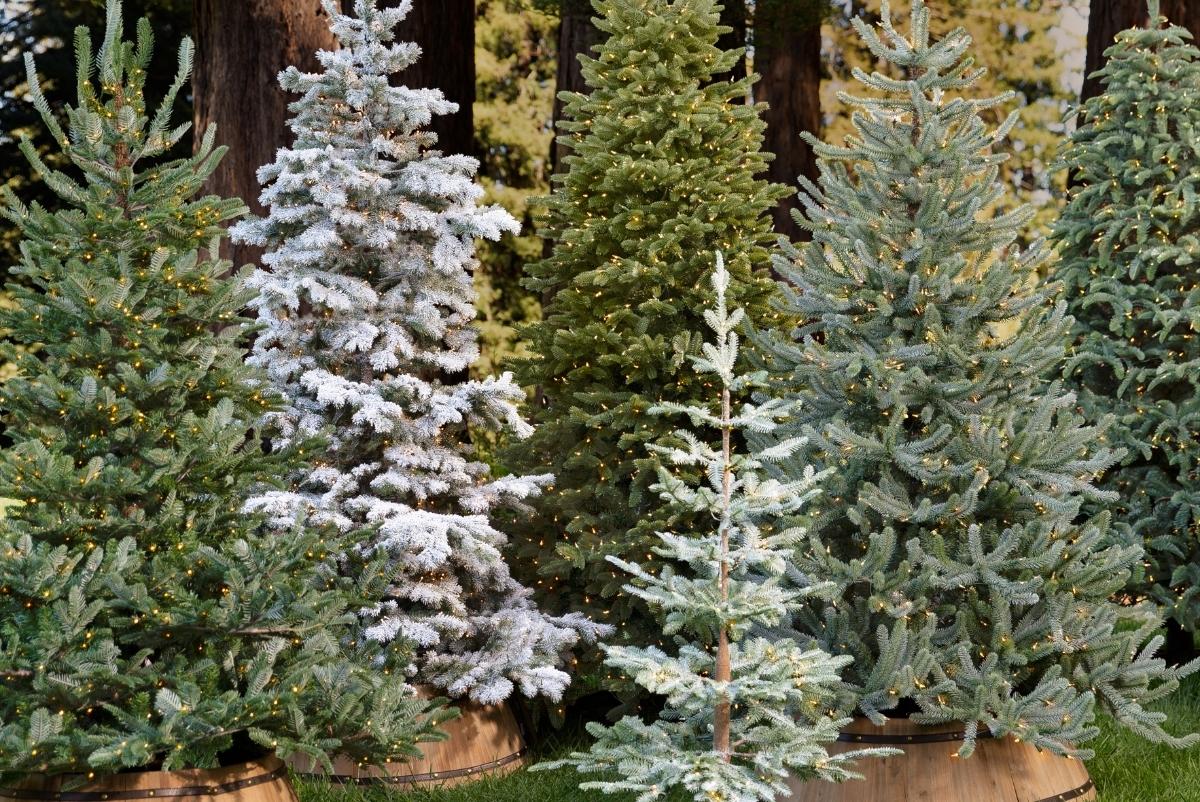
PVC trees are the most common type. They use flat, shiny plastic needles. These trees look full and bright. They are budget-friendly and easy to find. PVC trees come in many shapes and sizes.
Pe Trees
PE trees have needles made of molded plastic. The needles look more natural and three-dimensional. These trees are thicker and more realistic. PE trees often cost more than PVC ones. They offer a better look for your holiday decor.
Flocked Trees
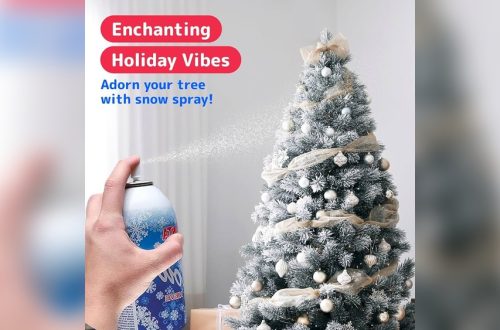
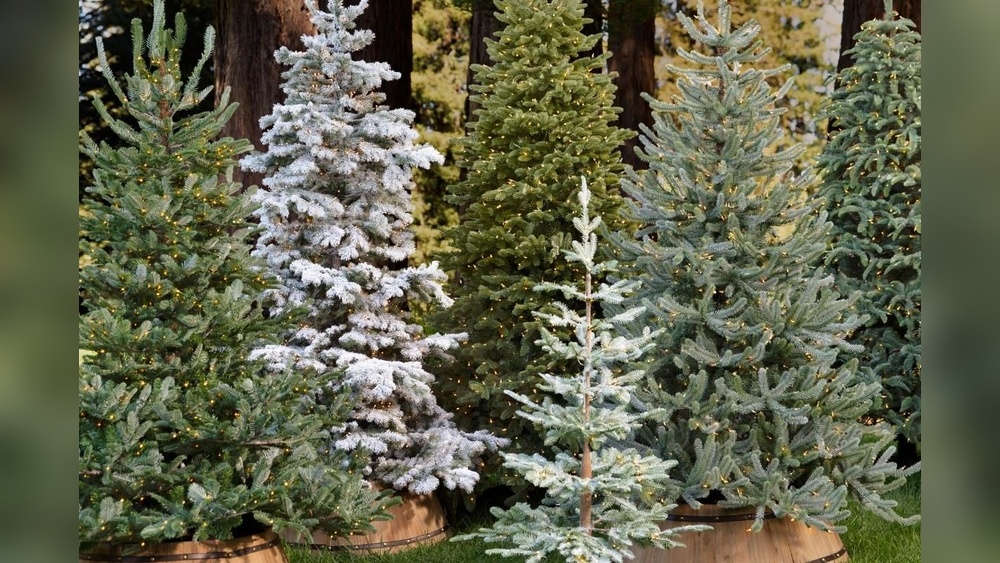
Flocked trees have a layer of white “snow” on the branches. This adds a frosted, wintry effect. The flocking can be heavy or light depending on style. These trees bring a cozy, festive feel to any room. They look like real snow-covered pine trees.
Fiber Optic Trees
Fiber optic trees light up with tiny glowing fibers. The light changes color or stays steady. These trees do not need extra lights. They create a magical, sparkling effect. Fiber optic trees are easy to set up and use.
Credit: blog.balsamhill.com
Materials And Construction
Materials and construction play a big role in the look and feel of artificial Christmas trees. They affect durability, appearance, and how easy it is to set up the tree. Understanding these details helps you pick the best tree for your home and holiday style.
Needle Materials
Needles come in different materials that change the tree’s texture and color. Most trees use PVC needles. They look shiny and plastic-like. Some trees have PE needles, which feel softer and look more real. A mix of PVC and PE gives a balance of strength and realism.
Branch Design
Branches support the needles and shape the tree. Some branches are wire-based, allowing easy shaping and bending. Others use molded plastic for a fuller, fixed look. The branch design affects how natural the tree appears and how easy it is to hang ornaments.
Frame Quality
The frame is the tree’s backbone. It is usually made of metal for strength. Good frames keep the tree stable and straight. Cheaper frames may bend or wobble. A strong frame supports heavy decorations and lasts for many seasons.
Size And Shape Options
Artificial Christmas trees come in many sizes and shapes. This variety helps you find the perfect tree for your space and style. Choosing the right size and shape makes decorating easier and more fun.
Slim Vs Full Trees
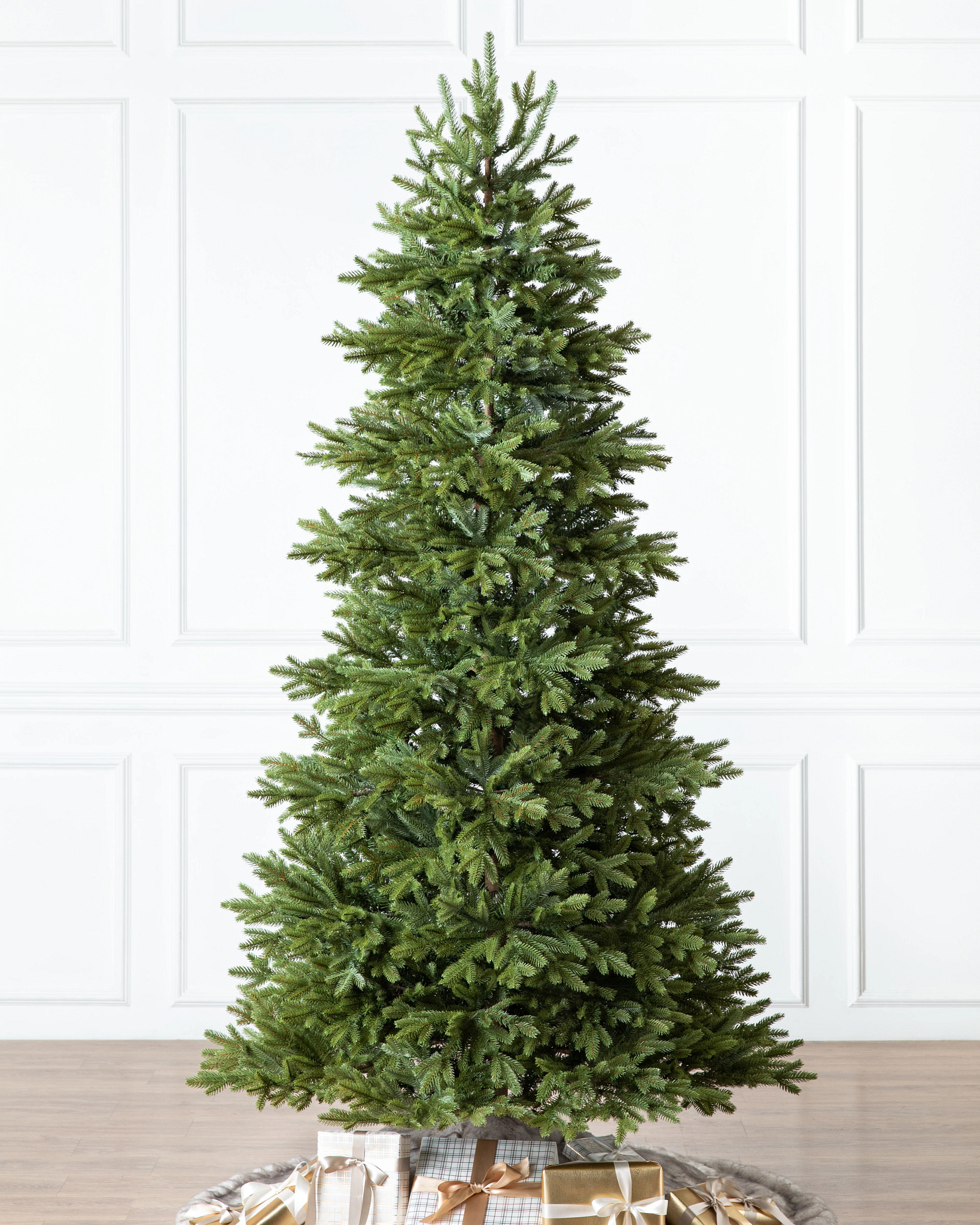
Slim trees are narrow and take up less space. They fit well in small rooms or tight corners. Full trees are wide and have thick branches. They give a classic, lush look. You get more room for ornaments with full trees.
Pre-lit Vs Unlit
Pre-lit trees have lights already on the branches. This saves time and effort during setup. Unlit trees let you add your own lights. You can choose different colors and styles. Both options suit different decorating preferences.
Tabletop Varieties
Tabletop trees are small and fit on tables or desks. They are great for apartments or offices. These trees come in many shapes and colors. They add festive cheer without taking much space.
Credit: www.balsamhill.com
Durability And Maintenance
Durability and maintenance are key points in choosing an artificial Christmas tree. These trees differ in how long they last and how much care they need. Understanding these factors helps in picking the right tree for your home. A durable tree saves money and effort over the years.
Longevity Factors
The material of the tree affects its lifespan. PVC trees are common but may fade or break after several years. PE trees look more natural and usually last longer. The frame and branches must be strong to avoid damage. Proper handling during setup and takedown also matters.
Cleaning Tips
Dust and dirt reduce the tree’s appearance. Use a soft cloth or brush to clean needles gently. Avoid water or harsh chemicals that can harm the tree. A vacuum with a brush attachment works well for deep cleaning. Clean the tree before storing it away.
Storage Solutions
Storing the tree properly protects it from damage. Use the original box or a special storage bag. Keep the tree in a cool, dry place to prevent mold and fading. Avoid placing heavy items on top of the stored tree. Label the storage container for easy finding next year.
Price Range And Value
Choosing an artificial Christmas tree depends a lot on price and value. Trees come in different ranges to fit various budgets. Each price level offers unique features and quality. Understanding these options helps buyers make smart choices for their holiday decor.
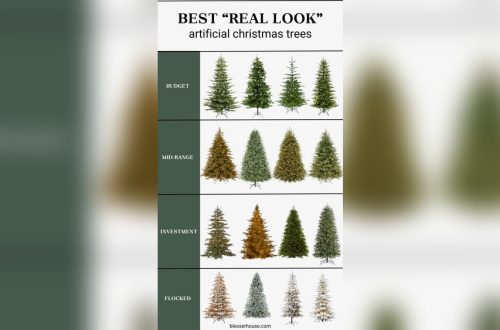
Budget Trees
Budget trees cost less but still look nice. They often use simpler materials. These trees work well for small spaces or occasional use. They may have fewer branches and less fullness. Budget trees are easy to set up and store.
Mid-range Choices
Mid-range trees balance price and quality. They usually have more realistic needles and stronger branches. These trees feel fuller and last longer. Many come with built-in lights or easy assembly. A mid-range tree suits families who want good value.
Premium Models
Premium models look very real and last many years. They use high-quality materials and detailed designs. Some have flocking or special lighting features. These trees offer the best fullness and shape. Premium trees are an investment for holiday traditions.
Environmental Impact
The environmental impact of artificial Christmas trees varies widely. Choosing the right tree affects waste, energy use, and pollution. Many people consider this before buying. Understanding key factors helps make greener choices.
Reusability Benefits
Artificial trees last many years. You can use the same tree each holiday season. This cuts down the need to buy new trees every year. Fewer trees cut means less deforestation. Reusing also saves resources and energy used in making trees.
Material Sustainability
Most artificial trees are made from plastic and metal. These materials come from non-renewable sources. Plastic production emits greenhouse gases. Some manufacturers use recycled materials to reduce harm. Still, plastic trees are not biodegradable, which affects the earth long-term.
Disposal Considerations
Disposing of artificial trees is a challenge. They do not break down easily in landfills. Recycling options are limited for these trees. Many end up as waste, adding to pollution. Proper disposal or donation helps reduce environmental damage.
Choosing The Right Tree
Choosing the right artificial Christmas tree makes your holiday special. The perfect tree fits your space, style, and personal taste. It also keeps your home safe during the festive season. This section helps you pick a tree that matches your needs.
Space And Style Needs
Measure the space where you want your tree. Choose a tree size that fits well without crowding the room. Pick a style that matches your home’s look. Some trees have a full, bushy shape. Others are slim and simple. Decide which shape suits your space and decor best.
Safety Features
Check if the tree is fire-resistant. This is very important for safety. Look for trees made with non-toxic materials. Some trees have sturdy stands to prevent tipping. Make sure the tree is stable and safe around kids and pets.
Personal Preferences
Think about how the tree feels and looks. Some people want a green, natural look. Others prefer white or colorful trees. Consider if you want a pre-lit tree or one you decorate yourself. Choose a tree that makes you happy and fits your holiday mood.
Credit: www.thetatteredpew.com
Frequently Asked Questions
What Materials Are Used In Artificial Christmas Trees?
Artificial Christmas trees are mainly made from PVC or PE plastic. PVC trees have flat needles, while PE trees have molded, realistic needles. Some premium trees combine both for a natural look. Metal frames support the branches, making them sturdy and reusable for many years.
How Do Artificial Christmas Trees Differ In Appearance?
Artificial trees vary in needle type, color, and branch density. PE needles look more realistic with a natural texture. PVC needles appear shinier and less natural. Some trees have flocking or pre-lit LED lights for added decoration and convenience.
Are All Artificial Christmas Trees Reusable?
Yes, artificial Christmas trees are designed for multiple years of use. They are durable and easy to store. Proper storage in a cool, dry place preserves their shape and appearance for the next holiday season.
What Are The Benefits Of Artificial Vs Real Christmas Trees?
Artificial trees are reusable, low maintenance, and less messy. They don’t drop needles or require watering. Real trees offer a fresh scent and natural look but need more care and disposal. Artificial options save time and reduce waste.
Conclusion
Choosing the right artificial Christmas tree depends on your needs. Some trees look very real, while others focus on easy setup. Consider size, style, and budget before buying. Quality and durability matter for long-term use. Each type offers different benefits to fit your space.
Think about storage and maintenance too. The right tree can brighten your holiday season. Enjoy the festive spirit with a tree that suits you best.