Hanging pendant lights can instantly transform any room, adding style and warmth to your space. But if you’re unsure where to start or worried about making mistakes, you’re not alone.
You might think it’s complicated or risky, but with the right steps, you can do it yourself and get stunning results. In this guide, you’ll discover simple, clear instructions that make hanging pendant lights easy and even enjoyable. Ready to brighten up your home and impress your guests?
Keep reading to learn exactly how to hang pendant lights like a pro.
Credit: www.locallifesc.com
Choosing The Right Pendant Lights
Choosing the right pendant lights is key to enhancing any room. The right light adds charm and improves the space’s function. Consider the room size, style, and lighting needs to pick the best pendant.
Size And Scale
Pick pendant lights that fit your room size. Large pendants suit big rooms or high ceilings. Small pendants work well in cozy spaces or over counters. The size should balance with furniture and room height. Avoid lights that look too big or too small.
Style And Design
Choose a style that matches your room decor. Modern pendants work great in minimalist rooms. Rustic lights add warmth to country-style spaces. Glass, metal, or fabric shades change the light’s look. Pick a design that blends well with other room elements.
Lighting Needs
Think about how much light the room requires. Pendant lights can provide task, ambient, or accent lighting. Bright lights suit kitchens and work areas. Softer lights create a cozy mood in living rooms. Adjust the bulb type and wattage to meet your needs.
Credit: www.instructables.com
Tools And Materials Needed
Hanging pendant lights requires some tools and materials. Having the right items makes the job easier and safer. This guide lists all you need to start your project. Prepare everything before you begin to avoid interruptions.
Basic Tools
You need a few basic tools for this task. A drill helps create holes in the ceiling. A screwdriver tightens screws and fixtures. Wire strippers remove insulation from wires cleanly. A tape measure ensures correct placement and height. A level keeps the light straight and balanced.
Safety Equipment
Safety is important when working with electricity. Use insulated gloves to avoid shocks. Safety glasses protect your eyes from dust and debris. A sturdy ladder helps you reach the ceiling safely. Turn off power at the breaker before starting any work.
Additional Supplies
Some extra supplies help complete the installation. Wire nuts connect electrical wires securely. Electrical tape adds insulation and prevents shorts. A ceiling hook or mounting bracket supports the light fixture. Light bulbs matching your pendant design finish the setup.
Preparing The Space
Preparing the space is the first step to hang pendant lights safely and correctly. This phase ensures the area is ready for installation. Proper preparation reduces risks and makes the process smoother. Pay close attention to safety and measurements before you start.
Each step in this section helps create a safe and accurate setup for your pendant lights.
Turning Off Power
Always turn off the power at the circuit breaker. This prevents electric shocks during installation. Use a voltage tester to confirm the power is off. Safety first. Never skip this step.
Measuring And Marking
Measure the exact spot for your pendant light. Use a tape measure to find the center or desired position. Mark the spot with a pencil on the ceiling. Accurate marks ensure the light hangs where you want it.
Checking Ceiling Support
Check if your ceiling can hold the pendant light’s weight. Look for a ceiling joist or beam to attach the fixture. Use a stud finder to locate support. Strong support prevents accidents and keeps the light secure.
Installing The Mounting Bracket
Installing the mounting bracket is a key step in hanging pendant lights. This bracket holds the light securely to the ceiling. Proper installation ensures safety and a neat look. Follow these steps carefully for the best results.
Locating Studs Or Anchors
Start by finding the ceiling studs or anchors. Use a stud finder to locate wooden beams behind the ceiling. These provide strong support for the bracket. If no studs are available, use wall anchors designed for heavy loads. Mark the spots where you will attach the bracket.
Securing The Bracket
Place the mounting bracket on the marked spots. Align the holes on the bracket with the studs or anchors. Use screws to fasten the bracket tightly. Tighten screws until the bracket feels firm but do not over-tighten. This prevents damage to the ceiling or bracket.
Ensuring Stability
Check the bracket by gently pulling and pushing it. It should not move or wiggle. A stable bracket keeps the pendant light safe and steady. If it feels loose, tighten screws or add stronger anchors. Proper stability prevents accidents and keeps the light hanging straight.
Wiring The Pendant Light
Wiring the pendant light is a key step in the installation process. It connects your light to the power source. Proper wiring ensures safety and good function. Follow the steps carefully to avoid any problems.
Connecting Wires Safely
Turn off the power at the circuit breaker. Use a voltage tester to confirm no electricity flows. Match the wires by color: black to black, white to white, and green or copper to ground. Strip about half an inch of insulation from each wire end. Twist the wire strands gently to keep them tight. Avoid loose or exposed wires to prevent shocks or shorts.
Using Wire Nuts
Choose the right size wire nuts for your wires. Place the wires together and twist the nut clockwise. Keep twisting until the nut feels tight and secure. Tug lightly on the wires to check the connection. Cover any exposed wire with electrical tape for extra safety. Wire nuts keep wires connected and insulated.
Testing Connections
Turn the power back on at the breaker. Use a voltage tester on the wires to check for power. Switch on your pendant light to see if it works. If the light does not turn on, switch off power and recheck connections. Make sure no wires touch each other or metal parts. Proper testing ensures your pendant light is safe and ready.
Hanging The Pendant Light
Hanging the pendant light is a key step in your lighting project. This part shapes the look and feel of your room. Correct hanging ensures safety and style. Follow simple steps to position your light perfectly.
Adjusting Height
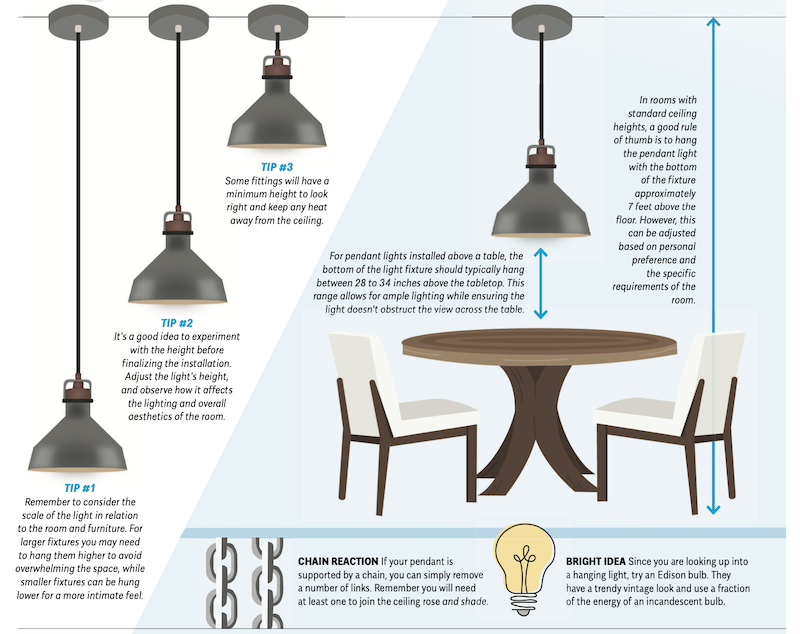
Start by setting the pendant’s height. Measure from the floor to the bottom of the light. Typical height over tables is 28 to 34 inches. Use the cord or chain to adjust length. Make sure the light is not too low or too high.
Securing The Fixture
Attach the mounting bracket to the ceiling box. Tighten screws firmly to hold weight. Connect the wires carefully: black to black, white to white, and ground wire to ground. Use wire nuts to secure connections. Push wires into the box neatly before fixing the fixture.
Final Adjustments
Check the pendant light’s position. Adjust the cord or chain for balance. Tighten any loose parts. Turn on power and test the light. Make small changes to improve look and function. Your pendant light is ready to brighten the space.
Tips For Stunning Results
Getting pendant lights right can change any room’s mood. Small details make a big difference. These tips help you get stunning results with ease.
Grouping Multiple Pendants
Hang pendants in groups to create a bold look. Odd numbers like three or five work best. Keep equal space between each light for balance. Vary the heights slightly to add interest. Grouping works well over kitchen islands or dining tables.
Choosing The Right Bulbs
Select bulbs that fit your room’s mood. Warm white bulbs create a cozy feel. Bright white bulbs offer a clean, modern look. Consider LED bulbs for energy savings. Check bulb size to fit your pendant’s design.
Balancing With Room Decor
Match pendant style with your room’s theme. Use metals, colors, or shapes that fit your space. Avoid overpowering small rooms with big pendants. Scale lighting to furniture and wall size. Balance creates harmony and comfort.
Troubleshooting Common Issues
Installing pendant lights can be tricky. Problems may arise even after careful setup. Troubleshooting common issues helps keep your lights safe and bright. This section covers simple fixes for frequent problems.
Flickering Lights
Flickering can annoy and waste energy. Loose bulbs cause flickering. Tighten the bulb carefully by turning it clockwise. Check the bulb type matches the fixture’s requirement. Incompatible bulbs often flicker or dim. Sometimes, the switch or dimmer causes flicker. Test the light with a different switch or remove the dimmer. If flickering continues, inspect the wiring for loose connections or damage.
Uneven Hanging
Pendant lights should hang straight and even. Uneven lights spoil the room’s look. Adjust the length of each pendant cord to level the lights. Check the mounting bracket is secure and flat against the ceiling. Sometimes, the ceiling box is not centered. Use a measuring tape to confirm equal distances between lights. Tighten any screws or fasteners holding the fixture. If the fixture wobbles, tighten the canopy or support rods.
Wiring Problems
Faulty wiring can cause serious issues. Turn off the power before inspecting wires. Loose or disconnected wires stop the light from working. Match wire colors correctly: black to black, white to white, and green or copper to ground. Use wire nuts to secure connections tightly. Check for damaged or frayed wires and replace them. If unsure, hire a licensed electrician to avoid hazards.

Credit: www.wikihow.com
Frequently Asked Questions
How High Should Pendant Lights Hang?
Pendant lights should hang 28 to 34 inches above the table or countertop. This height ensures optimal lighting and visual balance. Adjust based on ceiling height and room size for best results.
What Tools Are Needed To Hang Pendant Lights?
You need a drill, screwdriver, wire stripper, voltage tester, and a ladder. These tools help safely install and secure pendant lights to the ceiling.
Can I Install Pendant Lights Myself?
Yes, if you have basic electrical knowledge and follow safety guidelines. Always turn off power before installation and consult an electrician if unsure.
How To Choose The Right Pendant Light Size?
Select pendant lights proportional to your room size and furniture. Larger lights suit spacious areas, while smaller ones fit compact spaces. Balance size for aesthetics and function.
Conclusion
Hanging pendant lights can change any room’s look quickly. Choose the right height and style for your space. Always turn off the power before starting the work. Follow safety steps to avoid accidents or damage. Take your time to install carefully and securely.
A well-hung pendant light adds warmth and style. You can enjoy a brighter, cozy home with ease. Small changes make a big difference in your decor. Try it yourself and see the new light shine.