Are you wondering, “What fuse do I need for my table lamp?” Choosing the right fuse might seem simple, but using the wrong one can cause sparks, damage, or even be dangerous. You want your lamp to work safely and smoothly every time you turn it on.
You’ll discover exactly how to pick the perfect fuse for your table lamp. By the end, you’ll feel confident making the right choice—keeping your lamp bright and your home safe. Let’s get started!
Lamp Fuse Basics
Understanding the basics of lamp fuses helps keep your table lamp safe and working well. A fuse protects the lamp from damage caused by electrical problems. Knowing about fuses makes it easier to choose the right one.
Role Of A Fuse
A fuse stops too much electricity from reaching the lamp. It acts like a safety guard. If the power is too high, the fuse breaks the circuit. This prevents fire or damage to the lamp parts. Without a fuse, the lamp can overheat and cause hazards.
Common Fuse Types
There are different fuses for lamps, but the most common are glass and ceramic fuses. Glass fuses are clear and easy to check. Ceramic fuses handle higher heat and last longer. Fuses also differ in size and current rating. Choose a fuse that matches your lamp’s needs to keep it safe.
Credit: fuselighting.com
Determining Fuse Rating
Choosing the right fuse for your table lamp is important. The fuse protects your lamp from electrical damage. It stops too much current from flowing through the lamp. To find the correct fuse rating, two main steps help: checking lamp specifications and calculating fuse size.
Checking Lamp Specifications
Start by looking at the lamp’s label or manual. Find the voltage and wattage of the lamp. These numbers tell you how much power the lamp uses. If the lamp uses 60 watts at 120 volts, write this down. This information is key for the next step.
Calculating Fuse Size
Use the formula: Current (amps) = Power (watts) ÷ Voltage (volts). For example, 60 watts ÷ 120 volts = 0.5 amps. Choose a fuse slightly higher than this current, like 1 amp. This size protects the lamp and avoids blowing the fuse too soon. Always pick a fuse with the correct voltage rating too.
Fuse Material And Construction
The fuse in your table lamp protects the lamp and your home from electrical damage. Its material and construction affect how well it works. Choosing the right fuse means understanding these details. This helps keep your lamp safe and working well.
Glass Vs Ceramic Fuses
Glass fuses have a clear body. You can see the wire inside. This makes it easy to check if the fuse is blown. Glass fuses work well for low power devices like table lamps.
Ceramic fuses are stronger and handle higher heat. They do not break easily. Ceramic fuses are safer for devices that use more power or might have short circuits.
Fast-blow Vs Slow-blow
Fast-blow fuses react quickly to electrical surges. They break the circuit fast to protect the lamp. These fuses suit lamps with steady power needs.
Slow-blow fuses take longer to break. They handle short bursts of extra current without blowing. Use slow-blow fuses if your lamp has a motor or uses varying power levels.
Replacing Table Lamp Fuses
Replacing a fuse in a table lamp is a simple task. It helps keep your lamp working safely. A blown fuse stops your lamp from turning on. Knowing how to replace it saves time and money.
Before starting, you need to know the right fuse type. Most table lamps use a 3-amp or 5-amp fuse. Check the lamp’s label or the old fuse for this info. Using the wrong fuse can cause damage or fire risk.
Safety Precautions
Unplug the lamp before touching the fuse. This prevents electric shock. Work in a dry area to avoid accidents. Use a small screwdriver if needed to open the fuse holder. Handle the fuse carefully to avoid breaking it.
Wear gloves if you want extra protection. Keep children and pets away while you work. Never replace a fuse with a higher amp rating than recommended. This can cause the lamp to overheat and catch fire.
Step-by-step Replacement
First, unplug the lamp from the power socket. Locate the fuse holder, usually near the plug or inside the lamp base. Open the fuse holder carefully. Remove the old fuse by gently pulling it out.
Check the old fuse to confirm its size and amp rating. Insert the new fuse with the same rating into the holder. Close the fuse holder securely. Plug the lamp back in and test if it works. If it does not, check the fuse and connections again.
Common Fuse Problems
Fuses play an important role in protecting table lamps from electrical damage. Common fuse problems can cause your lamp to stop working suddenly. Understanding these issues helps you fix them quickly and safely.
Blown Fuse Causes
A fuse blows when too much current flows through it. This can happen due to a power surge or a short circuit. Using the wrong fuse size can also cause it to blow. Old or damaged wiring may increase the risk. Sometimes, a faulty lamp switch causes a fuse to fail.
Troubleshooting Tips
Start by unplugging the lamp and checking the fuse. Look for signs of damage or a broken wire inside the fuse. Replace the fuse with one that matches the lamp’s rating. Avoid using a fuse with a higher rating than recommended. Test the lamp after replacing the fuse. If it blows again, check the wiring and switch. Consider consulting a professional if problems continue.
Credit: fuselighting.com
Enhancing Lamp Safety
Enhancing the safety of your table lamp is very important. A small mistake can cause damage or even fire. Choosing the right fuse helps protect your lamp and your home. It stops too much electric current from flowing through the lamp. This section explains how to keep your lamp safe with the right fuse and other safety tools.
Using Proper Fuse Ratings
Every lamp needs a fuse with the correct rating. The fuse rating shows how much current it can handle. Pick a fuse that matches your lamp’s power needs. A fuse with too high a rating will not protect the lamp. Too low a rating may cause the fuse to blow too often. Check the lamp’s label or manual for the right fuse size. Using the right fuse keeps your lamp safe and working well.
Additional Safety Devices
Besides fuses, other safety devices help protect lamps. Circuit breakers can stop power if there is a problem. Surge protectors guard against sudden power spikes. These devices add extra layers of safety for your lamp. They reduce the risk of electric shocks and fires. Consider using these tools to make your lamp safer. They work well with the proper fuse to protect your home.
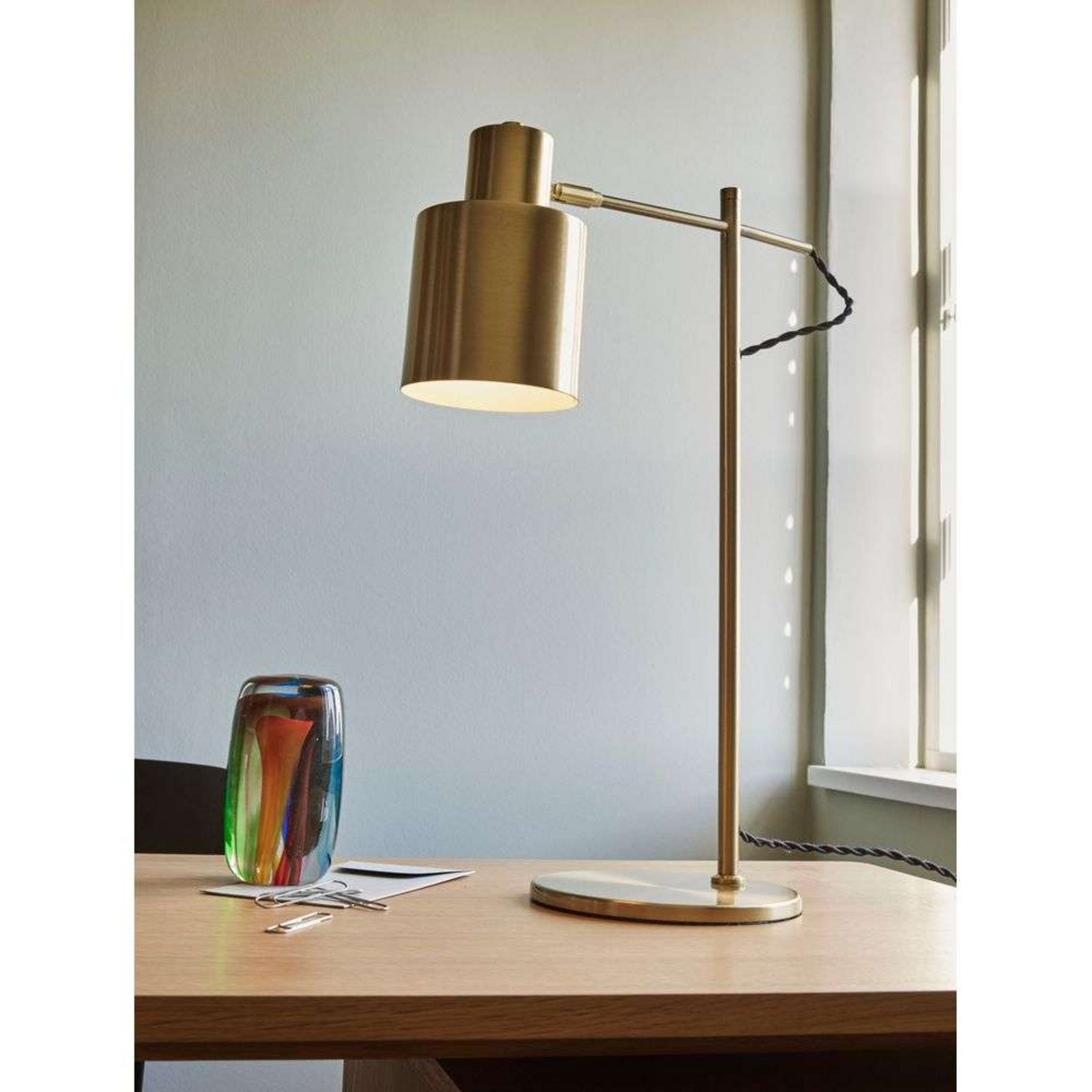
Credit: www.lampemesteren.com
Frequently Asked Questions
What Fuse Rating Is Best For A Table Lamp?
A 3-amp fuse is usually best for most table lamps. It protects the lamp from electrical surges. Always check your lamp’s manual for specific recommendations.
Can I Use A Higher Amp Fuse In My Lamp?
No, using a higher amp fuse can be dangerous. It may not protect the lamp properly and can cause electrical fires.
How Do I Find The Correct Fuse Size For My Lamp?
Check the lamp’s power rating or manual for fuse size. If unavailable, a 3-amp fuse is a safe default for most table lamps.
What Happens If My Lamp Fuse Keeps Blowing?
A blowing fuse indicates electrical issues or incorrect fuse rating. Inspect the lamp wiring or replace the fuse with the correct rating.
Conclusion
Choosing the right fuse keeps your table lamp safe and working well. Check the lamp’s label or manual for the correct fuse size. Using the wrong fuse can cause damage or be dangerous. Always replace fuses with the exact type recommended.
Simple steps like these protect your home and your lamp. A small fuse makes a big difference in safety and performance. Stay careful and enjoy your lamp’s light without worry.