Have you ever wondered what the very first artificial Christmas trees were made from? Before the shiny plastic versions we see today, these early trees had a surprising and unique origin.
Knowing where your favorite holiday decoration started can add a whole new layer of meaning to your celebrations. Keep reading, and you’ll discover the fascinating materials and stories behind the first artificial Christmas trees that might just change how you see your own tree this season.
Credit: lancasteronline.com
Early Christmas Tree Traditions
Christmas trees have a long history. People have decorated trees to celebrate winter for centuries. These trees symbolized life during the cold, dark months. Over time, they became part of Christmas traditions.
Early Christmas trees were real trees cut from forests. Families brought them inside to decorate with candles, fruits, and sweets. These trees created warmth and joy in homes during the holiday season.
Origins Of Christmas Trees
The tradition of decorating evergreen trees started in Germany in the 16th century. People believed evergreens kept evil spirits away. They hung apples, nuts, and paper decorations on branches. This practice spread to other countries later.
Challenges With Real Trees
Real trees had problems. They dried out quickly and dropped needles. This made homes messy and unsafe with candles. Many wanted a safer, cleaner option for decorating.
These challenges led to new ideas. People began creating artificial trees. Early artificial trees helped keep the festive spirit alive without the downsides of real trees.
Invention Of Artificial Trees
Artificial Christmas trees were created as a practical alternative to real trees. They offered a way to enjoy holiday decor without the mess of needles. Early inventors wanted a product that looked festive and lasted for many seasons. This led to the development of different materials and designs over time.
The invention of these trees shows human creativity and the desire for convenience. It also reflects changing lifestyles and the search for safer options during the holidays.
Motivation Behind Creation
People wanted a tree that did not dry out or drop needles. Real trees could be a fire risk and caused allergies. Some regions had limited access to fresh pine trees. This pushed inventors to find new ways to bring Christmas spirit indoors. Artificial trees also saved time and money in the long run.
First Materials Used
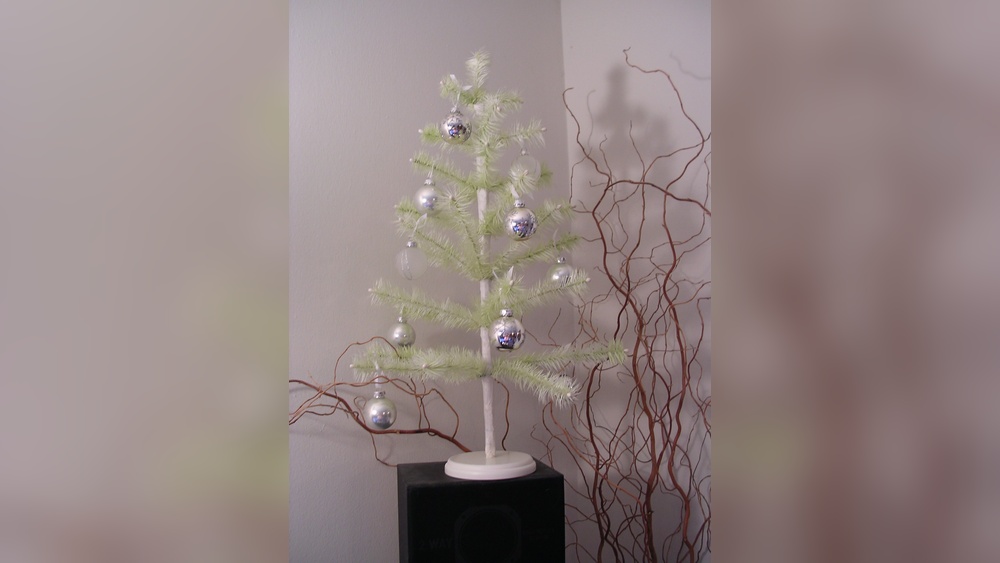
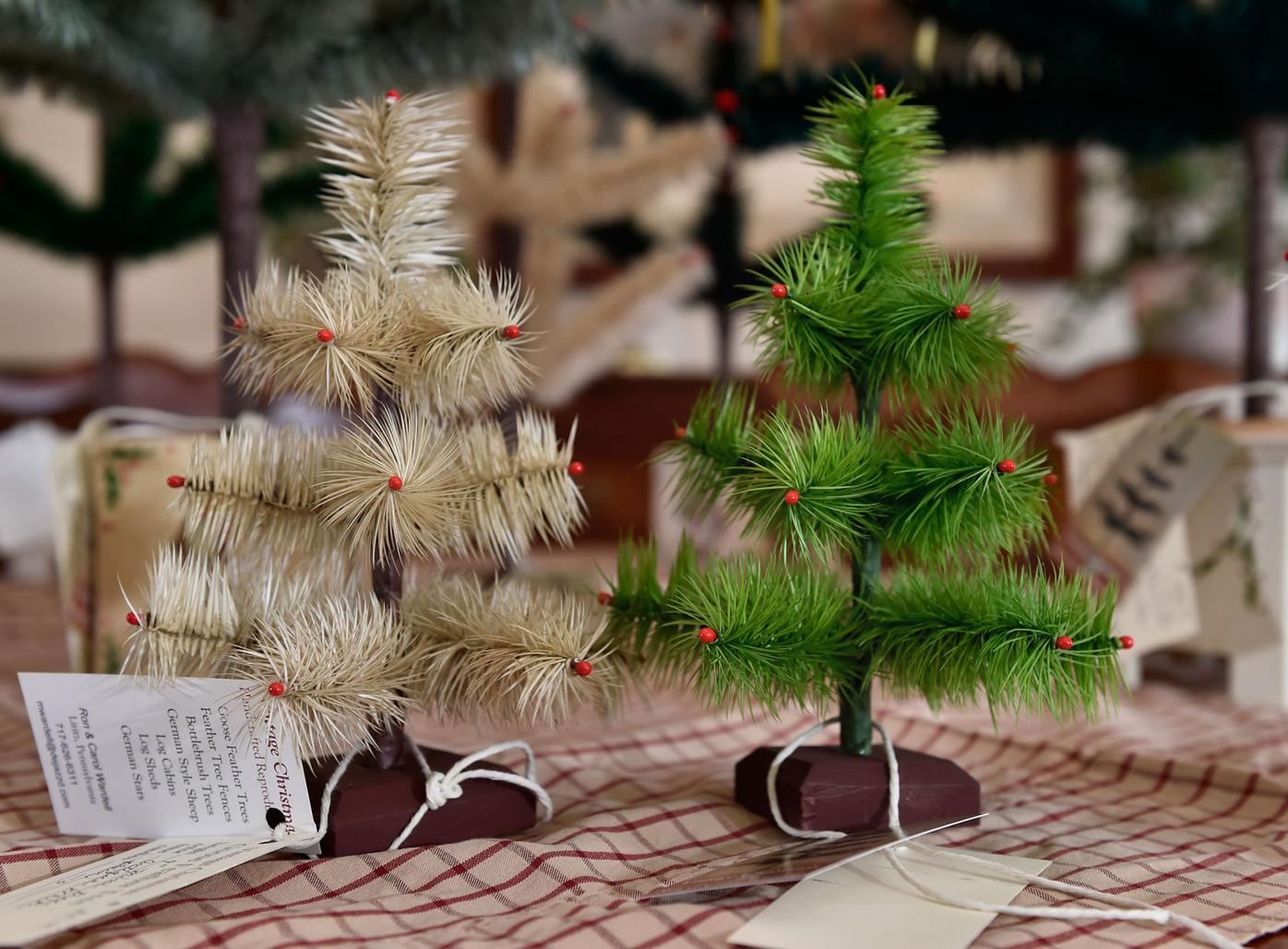
The very first artificial trees were made from dyed green goose feathers. Feathers were attached to wire branches to mimic pine needles. This design was popular in Germany during the late 1800s. Later, other materials like brush bristles and metal were used. These early trees aimed to look as natural as possible while being reusable.
Feather Christmas Trees
Feather Christmas trees were among the first artificial trees made. They offered a green, natural look without using real pine branches. These trees became popular before plastic and metal trees were common. They show how people tried to bring holiday cheer in new ways.
Use Of Goose Feathers
Feather Christmas trees were made using real goose feathers. The feathers were dyed green to look like pine needles. Each feather was carefully trimmed to create a full, fluffy branch. This gave the tree a soft, natural texture. Goose feathers were light and easy to shape.
Manufacturing Process
First, the goose feathers were cleaned and dyed green. Then, workers attached the feathers to thin wire branches. The wires were twisted around a central wooden or metal trunk. This made the tree strong but flexible. The process took time but created a beautiful, lifelike tree.
Popularity In The Early 1900s
Feather trees became very popular in the early 1900s. Many families bought them to avoid the mess of real pine needles. They were also safer because they did not dry out or catch fire easily. Stores sold these trees in many sizes. They helped start the tradition of artificial Christmas trees.

Credit: www.threads.com
Other Early Materials
Early artificial Christmas trees were made from many different materials. People wanted trees that looked real but lasted longer. Besides the well-known feather trees, some trees used unusual materials. These materials helped create new styles and designs for holiday decorations.
Brush And Wood Trees
Brush trees were one of the first types of artificial Christmas trees. They were made from brush bristles, similar to bottle brushes. The bristles were dyed green and attached to a wire stem. These trees looked like pine branches. They were small and sturdy. Brush trees became popular because they were reusable and easy to store.
Wood was another early material for Christmas trees. Thin wooden slats or sticks were carved to look like branches. Craftsmen painted the wood green and shaped it into a tree form. These wooden trees were simple but charming. They gave a natural feel without the mess of real pine needles.
Metal And Aluminum Innovations
Metal trees appeared in the early 20th century. Thin metal rods formed the shape of a tree. Some designs included metal branches shaped like needles. These trees were strong and long-lasting. Metal allowed for creative shapes and sizes.
Aluminum trees came later and became very popular. Shiny aluminum branches reflected lights beautifully. These trees had a modern look. They were lightweight and easy to set up. Aluminum trees often had a rotating stand for added effect. This innovation changed holiday decorating styles.
Cultural Impact And Evolution
The cultural impact of artificial Christmas trees shows how traditions change over time. These trees started as a simple idea but grew into a big part of holiday celebrations. Their evolution tells a story about how people think about nature, convenience, and style during Christmas.
Artificial trees made from early materials shaped how families decorated their homes. Over decades, these trees moved from rare novelties to common holiday fixtures. This shift reflects changes in society’s habits and values around the holiday season.
Shift From Natural To Artificial
Early artificial Christmas trees were made from feathers dyed green. These feather trees came from Germany in the late 1800s. They offered a cleaner, reusable alternative to real trees. People started liking artificial trees because they did not drop needles or need watering.
In the mid-1900s, metal and plastic trees appeared. These new materials made trees look more like real pine. Families who lived in cities especially welcomed artificial trees. They were easy to set up and store after the holiday.
The shift from real to artificial trees changed holiday routines. Many homes began using artificial trees year after year. This change also influenced how people decorated and celebrated Christmas.
Environmental Considerations
Using artificial trees affects the environment in different ways. Real trees are natural but need cutting and transport. Artificial trees last longer but are made from plastics and metals. Some worry about waste because artificial trees are hard to recycle.
People now think more about the impact of their holiday choices. Some choose artificial trees to avoid cutting live trees. Others prefer real trees to support local farms and nature. Both choices have pros and cons for the environment.
Newer artificial trees aim to be more eco-friendly. Manufacturers use safer materials and encourage recycling. The cultural conversation continues as people balance tradition with care for the planet.

Credit: en.wikipedia.org
Frequently Asked Questions
What Materials Were Used For The First Artificial Christmas Trees?
The first artificial Christmas trees were made from goose feathers. These feathers were dyed green and attached to wire branches to mimic real pine needles.
When Were The First Artificial Christmas Trees Invented?
The first artificial Christmas trees were invented in the late 19th century, around the 1880s, in Germany. They provided a reusable alternative to natural trees.
Why Were Goose Feathers Chosen For Early Artificial Trees?
Goose feathers were chosen because they could be easily dyed green and shaped. This made them ideal to replicate the look of pine needles on artificial trees.
How Did Early Artificial Christmas Trees Differ From Modern Ones?
Early artificial trees used natural materials like feathers, unlike modern trees made from plastic and PVC. They were less durable but environmentally friendly.
Conclusion
Artificial Christmas trees started with simple materials like feathers and brush bristles. These early trees gave people a new way to celebrate the holiday. Over time, designs changed to look more like real trees. People still enjoy artificial trees today for their ease and reuse.
Knowing the history helps us appreciate how these decorations began. It shows creativity and the joy of holiday traditions. The first trees paved the way for what we use now. A small idea grew into a popular holiday symbol.