Are you ready to transform your dining room into a vibrant and inviting space? Adding color to your dining room decor can completely change the mood and make every meal feel special.
But knowing where to start can feel overwhelming. What shades work best? How much color is too much? In this guide, you’ll discover simple and effective ways to bring color into your dining room without the stress. Keep reading, and you’ll learn how to create a space that reflects your style and makes every gathering unforgettable.
Choosing The Right Color Palette
Choosing the right color palette sets the mood in your dining room. Colors influence how people feel and interact. A well-chosen palette creates a welcoming and stylish space. Think about how you want the room to feel—warm and cozy, calm and fresh, or bright and lively. Consider your furniture and lighting when picking colors. These factors help you decide which tones suit your room best.
Warm Vs Cool Tones
Warm tones include reds, oranges, and yellows. These colors make the room feel cozy and inviting. They work well in rooms where you want to encourage conversation and appetite. Cool tones are blues, greens, and purples. These colors bring calmness and freshness. Use them to create a relaxing dining space. Choose warm tones for lively meals and cool tones for calm dinners.
Complementary And Contrasting Colors
Complementary colors sit opposite each other on the color wheel. For example, blue and orange or red and green. Using these pairs adds energy and balance to the room. Contrasting colors offer a bold look. They draw attention and highlight key features. Use a main color with a contrasting accent to keep the space interesting. Avoid too many contrasts to prevent visual clutter.
Neutral Bases With Color Pops
Neutral colors like beige, gray, and white create a simple background. They allow other colors to stand out. Add color pops with cushions, curtains, or artwork. These small touches make the room lively without overwhelming it. Neutrals help keep the space feeling open and clean. Color pops add personality and style easily changed over time.
Painting Walls With Impact
Painting walls can change the entire feel of your dining room. It sets the mood and adds personality. Choosing the right colors creates a space where people enjoy meals and conversations. Simple paint choices can bring warmth, energy, or calmness to your dining area.
Bold Accent Walls
A bold accent wall draws attention and creates a strong focal point. Choose deep reds, rich blues, or vibrant greens for impact. Paint only one wall to keep balance. This technique adds drama without overwhelming the room. It works well behind the dining table or buffet.
Subtle Pastels And Muted Shades
Soft colors create a calm and inviting atmosphere. Light blues, gentle pinks, and soft grays work well in dining rooms. These shades reflect natural light, making the room feel open. They complement various furniture styles and decor. Perfect for a relaxed and cozy dining space.
Textured And Patterned Paint Effects
Textured paint adds depth and interest to walls. Techniques like sponging, rag rolling, or stucco create unique finishes. Patterns such as stripes or geometric shapes bring style. These effects enhance plain walls without extra decor. Ideal for those who want something different but subtle.
Colorful Furniture Selections
Colorful furniture can brighten your dining room and make it feel lively. Choosing bold furniture pieces adds personality without overwhelming the space. These pieces become the focal point and set the mood for gatherings.
Using colorful furniture helps create a warm and inviting atmosphere. It can reflect your style and make the room unique. The right colors invite guests to relax and enjoy their meal.
Vibrant Dining Chairs
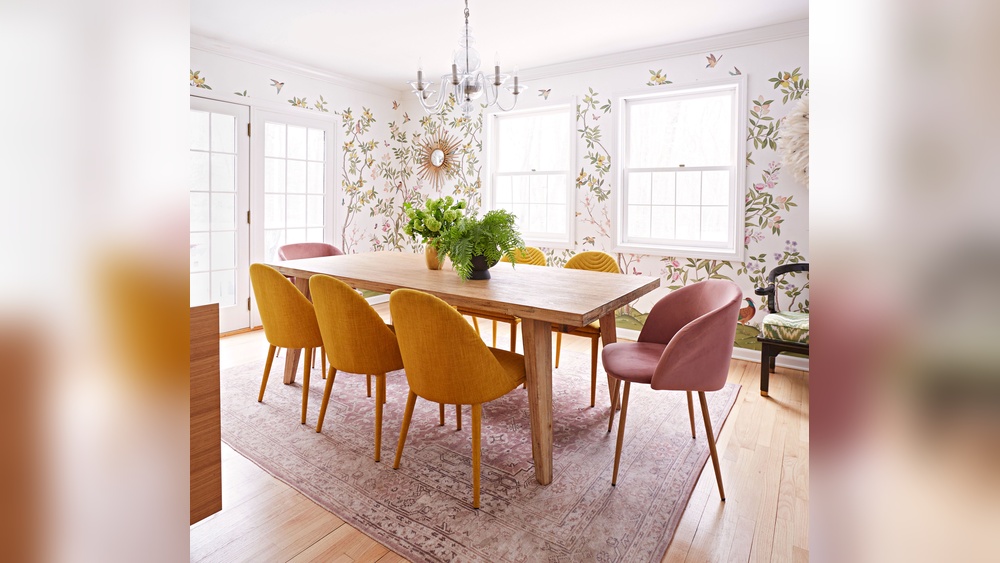
Dining chairs in bright colors bring instant energy to the room. Choose shades like red, blue, or yellow to create a cheerful vibe. Vibrant chairs pair well with neutral tables, balancing color and calmness.
Mix textures and materials to add depth. Upholstered chairs in bold colors feel cozy and stylish. Even a set of mismatched colorful chairs adds charm and interest.
Statement Tables And Buffets
A colorful dining table or buffet makes a strong statement. Pick one piece in a rich color to anchor the room’s design. Deep greens, blues, or burnt oranges work well for larger furniture.
Paint or refinish old furniture to add new life and color. This approach is budget-friendly and eco-friendly. Statement pieces draw attention and create a central point in the room.
Mixing And Matching Styles
Combine different styles and colors for a playful look. Mix modern chairs with vintage tables or colorful buffets with simple dining sets. This blend creates a unique and personal space.
Balance bright colors with soft neutrals to avoid clutter. Use small colorful accessories to link different furniture pieces. This technique keeps the room cohesive and visually pleasing.

Credit: www.housebeautiful.com
Decor Accessories To Add Color
Decor accessories offer a simple way to bring color into your dining room. They create interest and show personality without much effort. Changing these small details can refresh the whole space quickly. Focus on items that catch the eye and add warmth.
Choose pieces that match your style and the room’s mood. Use colors that complement your walls and furniture. These accessories make the dining area feel lively and inviting.
Bright Table Linens And Runners
Table linens and runners add instant color to your dining table. Pick bright shades like red, yellow, or blue to brighten the space. Patterns can also add fun and energy. These items are easy to swap, letting you change the look often. They protect the table and decorate it at the same time.
Eye-catching Artwork
Artwork on the walls draws attention and adds color. Choose paintings or prints with bold colors or interesting designs. Hang pieces at eye level to make a strong impact. Art reflects your taste and creates a unique atmosphere. It also breaks up plain walls and adds depth.
Decorative Lighting Fixtures
Lighting fixtures can bring color and style to your dining room. Colored lampshades or glass pendants add soft hues. Warm light makes the room feel cozy and welcoming. Unique fixtures become conversation starters. They combine function with decoration perfectly.
Incorporating Color Through Textiles
Textiles bring warmth and color to your dining room. They soften hard surfaces and create a cozy feel. Changing textiles is an easy way to refresh your space. Colorful fabrics can brighten the room without major changes. Use curtains, cushions, and rugs to add style and personality.
Colorful Curtains And Drapes
Choose curtains with bright colors or fun patterns. They frame your windows and set the room’s tone. Light fabrics let in natural light, enhancing colors. Darker curtains add drama and focus to the space. Match curtain colors with other textiles for a balanced look.
Cushions And Seat Covers
Add cushions with bold colors or prints to chairs. They make seating more comfortable and inviting. Seat covers protect furniture and introduce new shades easily. Mix solid colors and patterns to keep it interesting. Change cushions with seasons to keep the decor fresh.
Area Rugs With Patterns
Rugs anchor the dining area and add texture. Choose rugs with patterns that include your favorite colors. They create a visual focal point under the table. Rugs also protect floors and reduce noise. Pick a rug size that fits well under your dining set.
:max_bytes(150000):strip_icc()/dining-room-paint-colors-1822397-hero-18d1e598931c41d698f070a9f2d95022.jpg)
Credit: www.thespruce.com
Using Plants For Natural Color
Plants bring life and color to any dining room. They create a fresh, natural look that feels warm and inviting. Using plants for color works well in different styles. From modern to traditional, greenery fits everywhere. Plants also improve air quality and add texture. This section shares easy ways to add plants to your dining room decor.
Vibrant Greenery Choices
Choose plants with rich green leaves for a bold impact. Ferns, snake plants, and pothos are popular options. These plants require little care and stay green year-round. Their lush foliage adds depth and color to plain spaces. Place them near windows to boost their growth and brightness.
Flower Arrangements And Centerpieces
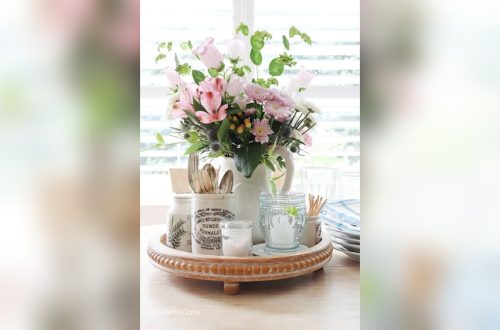
Fresh flowers add color and charm to the dining table. Use simple vases with seasonal blooms for a natural touch. Mix bright colors like red, yellow, or purple to create interest. Change flowers often to keep the look fresh and inviting. Small flower bunches work well for casual or formal dinners.
Potted Plants As Accent Pieces
Small potted plants brighten corners and shelves. Succulents, herbs, or small palms fit well on sideboards or window sills. Choose pots that match your room’s style and colors. Group different plant sizes for an eye-catching display. These accents add color without crowding the space.
Balancing Color For Harmony
Balancing color in your dining room creates a peaceful and inviting space. It helps your room feel comfortable, not chaotic. Using the right mix of colors makes the room look stylish and fresh. Careful balance avoids clashing shades or dullness.
This balance allows every color to shine without overwhelming the eye. It also helps in setting a mood that encourages good meals and great conversations.
Avoiding Overcrowding
Too many colors can make the room feel busy and stressful. Choose a few main colors and stick to them. Use bold colors in small areas like cushions or artwork. Let these spots stand out without crowding the whole room. Keep large surfaces like walls and floors simple and calm.
Using White And Light Spaces
White and light shades open up the space and give balance. They make bright colors pop and soft colors glow. Use white or light paint on walls to create a fresh background. Light curtains and furniture also keep the room feeling airy. This approach stops the room from feeling heavy or dark.
Creating Color Flow Throughout
Keep colors connected from one area to another. Repeat colors in different parts of the room. For example, use the same shade on cushions, vases, and wall art. This creates a smooth color flow that guides the eye. Color flow makes the room feel more united and calm.
Seasonal Color Updates
Seasonal color updates bring freshness to your dining room throughout the year. Changing colors with the seasons keeps the space lively and inviting. Simple shifts in decor can create a whole new look without much effort.
Switching Accessories Seasonally
Swap out cushions, table runners, and curtains to match the season. Light pastels work well in spring, while warm tones suit autumn. Small accessories are easy to change and brighten the room quickly.
Festive And Holiday Color Themes
Use colors that reflect holidays or festivals for a special touch. Red and green add cheer for Christmas. Orange and brown bring warmth for Thanksgiving. These themes create a cozy and joyful atmosphere.
Refreshing With Small Changes
Change napkins, placemats, or flowers to refresh the space. Even a new centerpiece can update the room’s look. Small changes make a big difference without a full redesign.
:max_bytes(150000):strip_icc()/BethanyAdamsInteriors_ModernTudor_LouisvilleKY73-e4c6f2d0efe64d85b5d00fa72be491ed.jpg)
Credit: www.marthastewart.com
Frequently Asked Questions
How Can I Add Color Without Overwhelming My Dining Room?
Use accent pieces like cushions, rugs, or artwork. Choose one or two bold colors. Balance them with neutral tones to keep harmony.
What Colors Create A Cozy Dining Room Atmosphere?
Warm colors like deep reds, oranges, and yellows create coziness. They stimulate appetite and conversation. Combine with soft lighting for best effect.
How To Choose A Color Palette For Dining Room Decor?
Pick colors based on mood and room size. Use a 60-30-10 rule: 60% dominant, 30% secondary, 10% accent colors. This creates balance and visual interest.
Can I Mix Patterns With Colorful Dining Room Decor?
Yes, mix patterns carefully. Use similar color tones and vary pattern sizes. This adds texture without clashing or overwhelming the space.
Conclusion
Adding color to your dining room creates warmth and style. Choose shades that match your taste and space. Small touches like cushions or art can brighten the room. Balance bright and neutral colors for a calm feel. Experiment with colors to find what feels right.
A colorful dining room invites friends and family to enjoy. Start simple, and watch your space come alive. Color makes your dining room unique and welcoming.