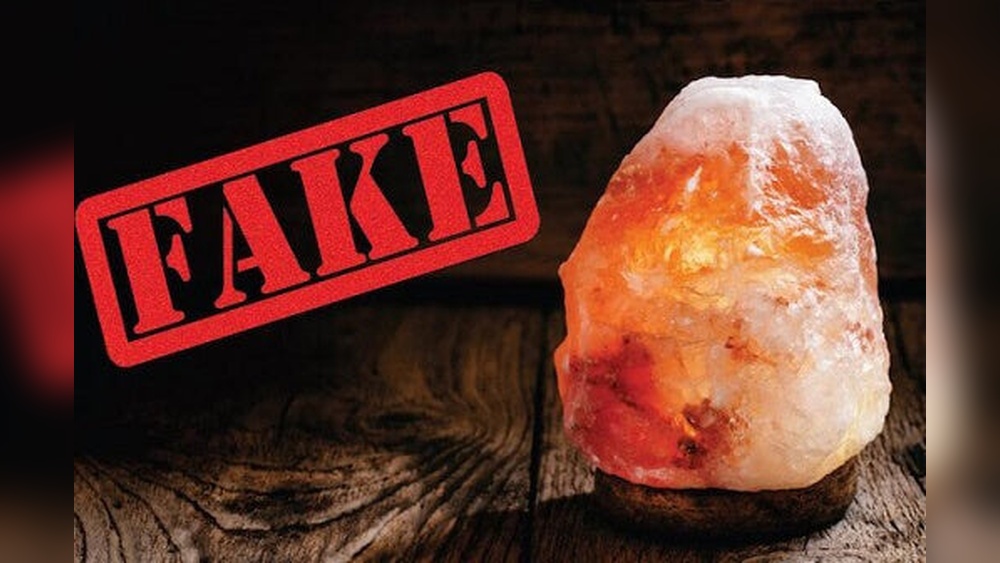
Have you ever wondered if your Himalayan salt lamp is the real deal? You might be surprised to learn that many lamps sold as “Himalayan” aren’t made from genuine salt at all.
Knowing what material is inside your lamp is important—it affects how it looks, smells, and even how it might impact your space. You’ll discover what fake Himalayan salt lamps are made of and why it matters for your health and home.
Keep reading to find out how to spot the difference and make sure you’re getting the authentic glow you deserve.
Identifying Fake Himalayan Salt Lamps
Identifying fake Himalayan salt lamps helps you avoid low-quality products. Many sellers offer imitations that do not have the same benefits or look as good. Knowing how to spot fake lamps protects your purchase and ensures you get genuine salt lamps.
Common Characteristics
Fake Himalayan salt lamps often use cheaper materials like regular salt or dyed rocks. They may feel lighter or less solid than real salt lamps. The surface might be too smooth or shiny, lacking the natural rough texture. Some fake lamps do not emit the warm, soft glow typical of genuine salt lamps.
Visual Differences
Real Himalayan salt lamps show natural color variations. Shades range from soft pink to deep orange. Fake lamps often have uniform color or unnatural bright orange tones. Genuine lamps have small cracks and imperfections. Fake ones look too perfect or have plastic parts visible.
Price Indicators
Price can reveal if a salt lamp is fake. Genuine Himalayan salt lamps usually cost more due to mining and quality. Very cheap lamps often mean lower quality or fake materials. Beware of big discounts or very low prices on popular online stores.

Credit: www.earthinspiredgifts.com.au
Materials Used In Fake Lamps
Fake Himalayan salt lamps often use different materials than the real ones. These materials try to look like natural salt but are not. Knowing what makes up fake lamps helps you spot them easily.
Many fake lamps use salt substitutes or other materials to cut costs. These materials do not have the same benefits as real Himalayan salt. Some fake lamps also include plastic or glass parts to look like real lamps.
Types Of Salt Substitutes
Fake lamps may use cheaper salts instead of real Himalayan salt. Common substitutes include table salt or rock salt. These salts lack the pink color and mineral content of real salt. They often look dull or uneven in color.
Use Of Synthetic Materials
Synthetic materials can replace natural salt in fake lamps. Some fake lamps use resin or plaster mixed with color to mimic salt. These materials are lighter and less fragile than real salt. They do not release any salt particles in the air.
Plastic And Glass Components
Plastic or glass parts help fake lamps look genuine. Plastic bases or covers are common to save money. Glass bulbs may replace real salt crystals for a shiny look. These parts lower the quality and authenticity of the lamp.
Health And Safety Concerns
Fake Himalayan salt lamps often contain materials that raise health and safety questions. These lamps look like the real ones but use different substances. Understanding the risks helps you choose safe products for your home.
Potential Allergens
Fake salt lamps may include substances that cause allergies. Some materials release dust or particles that irritate the skin and lungs. Sensitive individuals can experience sneezing, coughing, or skin rashes. Always check the lamp’s material if you have allergies.
Toxicity Risks
Many fake lamps use cheap chemicals or dyes to mimic the look of real salt. Some of these chemicals can be harmful if inhaled or touched. Toxic substances may cause headaches, nausea, or breathing problems. Avoid lamps with unknown or suspicious ingredients.
Electrical Safety Issues
Fake Himalayan salt lamps may have poor wiring or low-quality bulbs. Faulty electrical parts increase the risk of fire or electric shock. Check for safety certifications before buying. Use the lamp according to the instructions to avoid accidents.

Credit: www.earthinspiredgifts.com.au
How To Spot Genuine Himalayan Salt Lamps
Knowing how to spot genuine Himalayan salt lamps helps you avoid fakes. Many sellers offer fake lamps made from other materials. These fakes lack the natural benefits and beauty of real salt lamps. Use simple tests to tell the difference. Check color, texture, weight, and seller reputation before buying.
Color And Texture Clues
Real Himalayan salt lamps have a natural pink or orange color. The color is not too bright or uniform. Look for slight color variations and rough edges. Fake lamps often have very bright or perfect colors. Their surface feels smooth or plastic-like. Real salt lamps feel grainy and uneven.
Weight And Density Tests
Genuine salt lamps feel heavy for their size. Salt is dense and solid. Fake lamps may feel light or hollow. Pick the lamp up and notice the weight. A light lamp may be plastic or made from resin. Tap the lamp gently; real salt sounds solid.
Reputable Sellers And Certification
Buy Himalayan salt lamps from trusted sellers only. Check if the seller provides certification or proof of authenticity. Genuine sellers often show where the salt is mined. Avoid very cheap lamps from unknown sources. Quality lamps come with clear details and good reviews.
Environmental Impact Of Fake Lamps
Fake Himalayan salt lamps may look like the real ones, but their impact on the environment is different. These lamps often use synthetic materials or low-quality salts. This affects how much damage they cause to nature.
Resource Consumption
Fake lamps often use plastic and synthetic salts. These materials come from fossil fuels and chemicals. Extracting and producing them uses a lot of energy and water. Unlike real salt lamps, fake ones do not come from natural salt mines. They rely on man-made materials that strain natural resources.
Waste And Pollution
Fake lamps tend to break or wear out faster. This creates more waste that ends up in landfills. Many fake lamps are not recyclable because of mixed materials. During production, factories may release harmful chemicals and pollutants. These add to air and water pollution problems.
Sustainability Considerations
Most fake salt lamps do not focus on sustainability. They are made quickly and cheaply to meet high demand. This leads to overuse of non-renewable resources. Choosing sustainable options can reduce harm to the planet. Real salt lamps come from natural sources and last longer.

Credit: www.earthinspiredgifts.com.au
Alternatives To Himalayan Salt Lamps
Himalayan salt lamps have a warm, calming glow. Some people want similar lighting but avoid fake salt lamps. There are many alternatives that bring soft light and ambiance. These options include natural light sources, DIY projects, and safe decorative lights. Each offers unique benefits for your home or office.
Other Natural Light Sources
Candles give a gentle, flickering light. Beeswax candles burn clean and smell nice. Tea lights fit into small holders for cozy spots. Oil lamps provide a soft glow with a rustic feel. Natural wood lamps add warmth without harsh brightness. These sources create calm spaces without fake materials.
Diy Salt Lamp Options
Create your own salt lamp using real salt blocks. Carve a small hollow in a salt block for a bulb. Use a low-watt LED bulb to avoid heat. You can also stack salt crystals in glass jars. Add fairy lights or small candles for a warm look. DIY lamps let you control quality and style.
Safe Decorative Lighting Ideas
LED string lights offer gentle, colorful illumination. Battery-operated lamps reduce fire risks. Paper lanterns diffuse light softly and look charming. Himalayan salt lamp replicas made from resin are safe and durable. Frosted glass lamps create a warm, even light. Choose lights tested for safety and low heat.
Frequently Asked Questions
What Materials Are Used In Fake Himalayan Salt Lamps?
Fake Himalayan salt lamps often use dyed or synthetic salts mixed with resin or plastic. These materials mimic the look of natural salt but lack genuine mineral content.
How To Identify A Fake Himalayan Salt Lamp?
Look for uniform color, overly bright glow, and lightweight feel. Authentic lamps have natural color variations and a heavier, solid texture.
Are Fake Himalayan Salt Lamps Safe To Use?
Fake lamps are generally safe but may emit harmful chemicals if made from low-quality plastics or synthetic materials. Always verify product safety certifications.
Do Fake Salt Lamps Offer Health Benefits?
No, fake salt lamps do not provide the air-purifying or therapeutic benefits attributed to real Himalayan salt lamps.
Conclusion
Fake Himalayan salt lamps often use cheaper materials like resin or dyed rock salt. These materials lack the natural benefits of real salt lamps. They may look similar but do not provide the same air-purifying effects. Knowing the material helps buyers avoid wasting money on fakes.
Choose lamps made from genuine pink salt for better quality. This way, you get the true experience and value. Always check product details carefully before buying. Stay informed and enjoy a real Himalayan salt lamp.