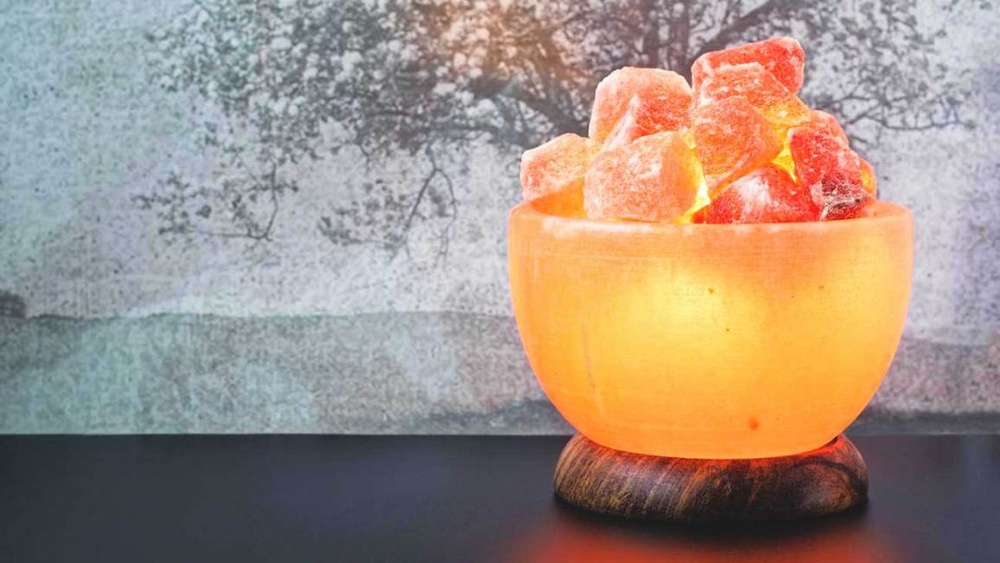
Have you ever wondered why pink Himalayan salt lamps are so popular? Maybe you’ve seen their warm, soothing glow and felt curious about what makes them special.
These lamps aren’t just pretty decorations—they might actually change the air around you in surprising ways. If you want to understand how pink Himalayan salt lamps work and what benefits they could bring to your home, keep reading. By the end, you’ll know exactly why so many people swear by these glowing crystals.

Credit: himalayantradingco.com
Origins Of Pink Himalayan Salt
Pink Himalayan salt comes from ancient sea salt deposits deep in the mountains. These deposits formed millions of years ago when seas dried up. Over time, pressure and heat turned the salt into rock. This process created the unique pink salt used in lamps and cooking today.
The salt is mined in the Himalayan region, mainly in Pakistan. It is known for its striking pink color and natural purity. Understanding its origins helps explain why pink Himalayan salt is so special.
Formation And Mining
Pink Himalayan salt formed over 250 million years ago. Salt from ancient oceans dried out and became trapped under layers of rock. Heat and pressure turned the salt into solid rock crystals. Miners extract this salt from deep underground mines.
The mining process is often manual to preserve the salt’s natural quality. Large salt blocks are carved carefully from the mines. These blocks are then cut into smaller pieces for lamps and other uses.
Unique Mineral Composition
Pink Himalayan salt contains over 80 minerals and trace elements. These include potassium, magnesium, and calcium. These minerals give the salt its pink or reddish color. The minerals also add to the salt’s health benefits and appeal.
The natural mineral mix makes pink Himalayan salt different from regular table salt. Its mineral content is why many people prefer it for cooking and decorative lamps.
Structure Of Salt Lamps
Pink Himalayan salt lamps have a unique structure. Their design combines natural salt crystals with simple electrical parts. This mix gives the lamp its soft glow and benefits.
Understanding the structure helps explain how these lamps work. It also shows why they look so special and warm.
Physical Characteristics
The main part is a large chunk of pink salt. It comes from ancient salt mines in the Himalayan mountains. The salt has many minerals that give it a pink color. Each piece is rough and uneven, making every lamp unique.
The salt block is solid but slightly porous. This means it can absorb and release moisture from the air. The natural texture lets light shine through, creating a calm, warm glow.
Lamp Design And Components
Inside the salt block, a small light bulb is placed. The bulb heats the salt slowly. This heat helps the salt release negative ions, which some say improve air quality.
The base holds the salt block and the electrical parts. It is often made of wood or metal for stability. A power cord connects the bulb to electricity, allowing easy use at home.
Heat And Light Interaction
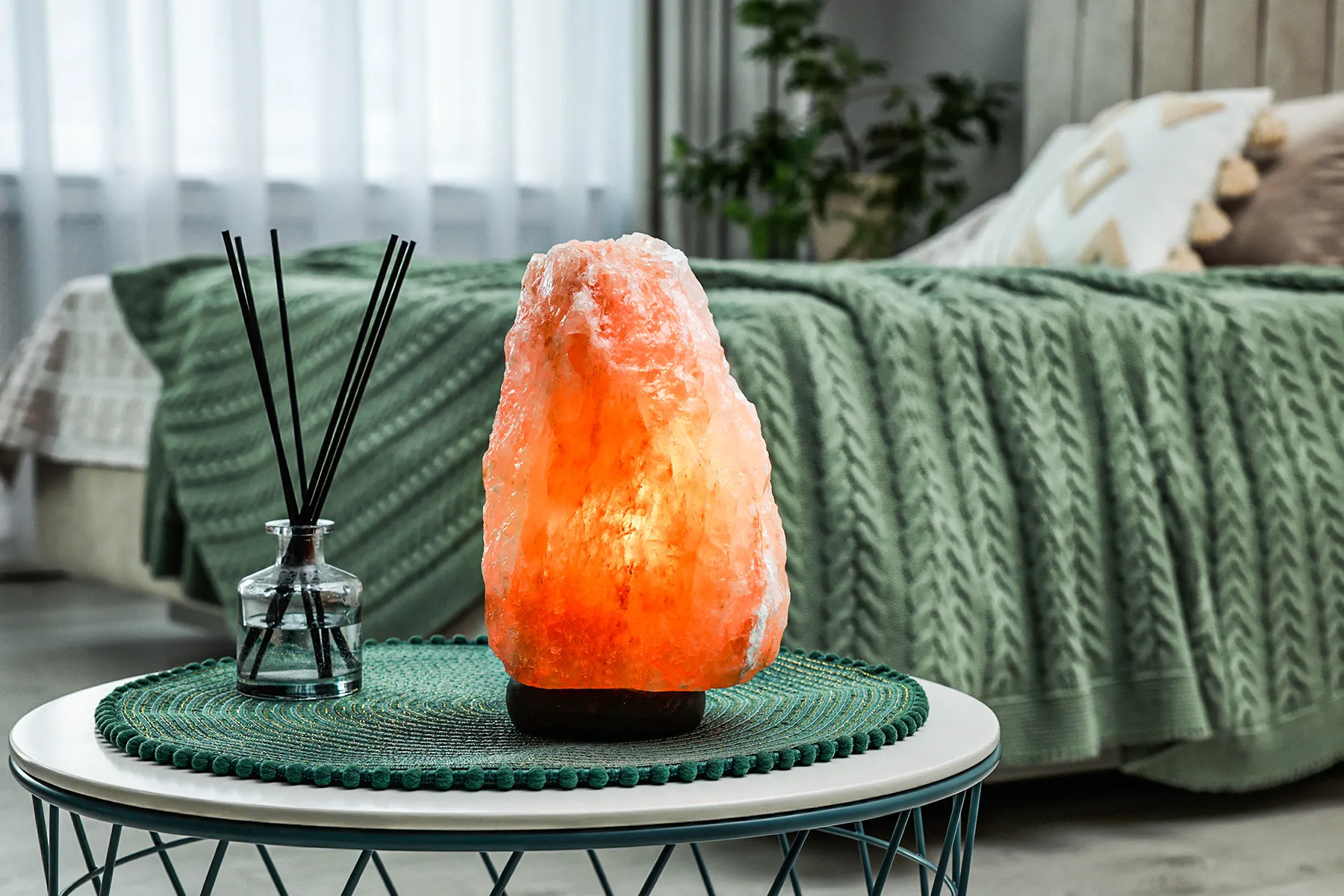
Pink Himalayan salt lamps glow softly because of heat and light working together. The lamp’s warmth changes the salt’s look and feel. Light coming from inside the lamp adds to its unique charm. Both heat and light play a big role in how the lamp works and looks.
How Heat Affects Salt
Heat makes the salt warmer and dry. This warmth helps the salt release tiny particles into the air. These particles can create a fresh feeling in the room. Heat also brings out the soft pink color of the salt. The lamp shines gently because of this warm glow.
Role Of The Bulb
The bulb inside the salt lamp is the heat source. It warms the salt slowly and safely. The light from the bulb shines through the salt’s surface. This light makes the lamp look warm and inviting. The bulb is small but very important for the lamp’s effect.
Credit: www.webmd.com
Ionization Effects
Pink Himalayan salt lamps are often praised for their ionization effects. These lamps emit ions that interact with the air around them. This process can change the air quality in a room. The heat from the lamp helps release these ions. Understanding ionization helps explain why many people use these lamps for a fresher environment.
Negative Ion Generation
Salt lamps produce negative ions through a natural process. When the lamp heats up, it attracts moisture from the air. The heat then causes the salt to release negative ions. These ions have a negative charge, which balances the positive ions in the air. Negative ions are known to reduce pollutants and allergens. This action helps create a cleaner space.
Impact On Air Quality
Negative ions from salt lamps can improve air quality. They attach to dust, pollen, and smoke particles, making them heavier. This weight causes particles to fall from the air. As a result, the air feels fresher and cleaner. Some people find it easier to breathe with these lamps nearby. Salt lamps may also reduce static electricity and odors.
Mood And Health Benefits
Pink Himalayan salt lamps are more than just decorative pieces. Many people believe these lamps offer mood and health benefits. They may help create a calm and soothing environment. The soft, warm glow can make any room feel cozy and peaceful. Besides lighting, some say the lamps improve well-being in several ways.
Stress Reduction Claims
Many users report feeling less stressed near pink salt lamps. The gentle light may help lower tension and anxiety. Some think the lamps release negative ions that improve air quality. These ions might reduce airborne irritants and create a fresher space. The calming light and cleaner air together may promote relaxation.
Sleep Improvement Effects
Soft light from pink Himalayan salt lamps can support better sleep. Bright, blue light from screens often disrupts sleep patterns. The warm, amber glow is less likely to interfere with melatonin production. Using these lamps in the evening might help ease the body into rest. A peaceful atmosphere can encourage falling asleep faster and deeper sleep cycles.
Scientific Evidence And Skepticism
Pink Himalayan salt lamps have gained popularity for their claimed health benefits. Many believe they improve air quality and boost mood. Scientific evidence, however, presents a more cautious view. Understanding the research helps separate fact from fiction.
Research Findings
Few scientific studies focus directly on Himalayan salt lamps. Most research on air ionizers shows limited impact on air quality. Salt lamps emit negative ions in very small amounts. These ions usually come from larger devices. The lamps’ warm glow comes from a light bulb inside, not from ion release.
Some studies suggest negative ions may improve mood slightly. Effects are mild and temporary. Research has not proven salt lamps create enough ions for health benefits. No strong evidence supports claims of air purification or allergy relief.
Common Misconceptions
Many think salt lamps clean the air like air purifiers. This is unlikely due to their small size and low ion output. Another belief is that salt lamps can remove toxins. Salt itself does not absorb pollutants from the air. Lamps mainly serve as decorative nightlights.
Some claim salt lamps reduce stress or improve sleep. Warm light may help relaxation, but this is not unique to salt lamps. Any soft, dim light can create a calming atmosphere. Belief in health benefits often comes from personal experience, not science.
Care And Maintenance Tips
Pink Himalayan salt lamps need regular care to keep glowing and working well. Proper maintenance helps the lamp last longer and keeps it safe. Small efforts in cleaning and handling make a big difference. Here are easy tips to care for your salt lamp.
Cleaning Methods
Use a dry cloth to wipe the lamp gently. Avoid water or wet cloths, as salt dissolves easily. For dust, a soft brush works well. Clean the lamp weekly to stop buildup. Keep the lamp dry to maintain its glow.
Avoiding Damage
Place the lamp away from moisture and heat sources. Do not expose it to water or humidity. Handle the lamp with care to prevent cracks or chips. Use a stable surface to avoid falls. Turn off the lamp before moving it.
Credit: www.webmd.com
Frequently Asked Questions
What Is The Main Function Of Pink Himalayan Salt Lamps?
Pink Himalayan salt lamps emit negative ions that purify the air. They help reduce allergens, dust, and pollutants indoors, improving air quality naturally.
How Do Salt Lamps Improve Indoor Air Quality?
Salt lamps attract moisture carrying airborne pollutants. When heated, they release clean, ionized air, which reduces allergens and enhances breathing comfort.
Can Pink Himalayan Salt Lamps Reduce Stress?
Yes, the warm glow of salt lamps creates a calming atmosphere. This soothing light can help reduce stress and improve mood.
Do Salt Lamps Help With Sleep Quality?
Salt lamps emit gentle light that promotes relaxation. This calming effect can improve sleep by reducing anxiety and creating a peaceful environment.
Conclusion
Pink Himalayan salt lamps offer soft, warm light that soothes the mind. They work by releasing negative ions when heated, which may improve air quality. Many people enjoy their calming glow in homes or offices. While science is still exploring their full effects, these lamps add a cozy touch to any space.
Trying one can create a peaceful atmosphere and gentle light. Simple, natural, and beautiful—salt lamps bring a quiet charm indoors.