Have you ever set up your string lights, only to find that they don’t turn on? It’s frustrating, especially when you’re ready to create a warm, cozy atmosphere.
But don’t worry—you’re not alone, and the problem is often easier to fix than you think. You’ll learn simple steps to figure out why your string lights aren’t working and how to get them shining bright again. Keep reading, and you’ll be lighting up your space in no time.
Common Reasons String Lights Fail
String lights are great for decoration but sometimes they stop working. Knowing common reasons for failure helps fix them faster. Check these typical problems to find the cause.
Burnt Out Bulbs
One burnt out bulb can cause the whole string to fail. Bulbs may burn out from long use or a power surge. Replace bulbs one by one to see if that fixes the problem.
Blown Fuses
String lights often have a fuse in the plug. A blown fuse stops electricity from reaching the bulbs. Check the fuse and replace it if it looks damaged or blackened.
Damaged Wiring
Wires can get cut, frayed, or damaged by weather. Broken wiring prevents power flow and makes lights go out. Inspect wires carefully for any signs of damage or wear.
Loose Connections
Loose connections at plugs or sockets cause lights to flicker or fail. Make sure all plugs fit tightly and sockets hold bulbs firmly. Secure connections restore proper power flow.
Tools Needed For Troubleshooting
Troubleshooting string lights needs the right tools. These tools help find the problem fast. Using proper equipment saves time and effort. Below are essential tools to check your string lights.
Multimeter Use
A multimeter measures electrical current, voltage, and resistance. It helps find breaks in the wire or bulbs. Set it to continuity mode for quick tests. Touch the probes to the string light ends. A beep means electricity flows; no beep means a break.
Replacement Bulbs
Burnt-out bulbs often cause string lights to fail. Keep extra bulbs of the same size and type. Swap a bad bulb with a new one to test the string. This step can fix the lights quickly.
Fuse Tester
Some string lights have fuses in the plug. A fuse tester checks if the fuse is still good. Insert the fuse into the tester. A green light or beep shows the fuse works. Replace a blown fuse to restore power.
Step-by-step Troubleshooting Guide
String lights can stop working for many reasons. Finding the problem is easier with a clear plan. This step-by-step troubleshooting guide helps you check common issues. Follow each step carefully to find the cause and fix your lights quickly.
Check Power Source
Start by checking the outlet or power source. Plug another device into the same outlet. Does it work? If not, the problem is the power supply. If yes, check the string lights’ plug. Make sure it is fully inserted and not loose.
Inspect Bulbs Individually
Look at each bulb on the string. Some bulbs may be loose or broken. Gently press each bulb to see if it lights up. Replace any bulbs that look dark or cracked. Faulty bulbs can stop the whole string from working.
Test And Replace Fuses
Most string lights have small fuses inside the plug. Open the fuse cover carefully. Take out the fuses and check if they are burned out. Replace bad fuses with new ones of the same type. This often solves the problem quickly.
Examine Wiring And Plugs
Look over the wires and plugs for damage. Check for cuts, frays, or exposed wires. Bent or corroded plugs can also cause issues. Replace damaged wires or plugs to make the lights safe to use again.
Credit: haasandsons.com
Quick Fix Techniques
Quick fix techniques help solve common issues with string lights fast. These methods save time and avoid costly replacements. Many problems come from small, easy-to-fix faults. Try these steps before buying new lights. They keep your decorations bright and festive.
Replacing Bulbs Safely
Turn off the string lights and unplug them first. Use a cloth or gloves to avoid electric shocks. Find the broken bulb by checking for dark or cloudy glass. Replace it with a bulb that matches the size and voltage. Push the new bulb gently into the socket until secure. Check your lights by plugging them back in carefully.
Resetting Fuses
Locate the fuse box in the plug of your string lights. Open the small door or cover to access the fuses. Remove the fuse carefully using tweezers or a small tool. Check if the fuse is blown by looking for a broken wire inside. Replace with a new fuse of the same type and rating. Close the fuse box and test the lights again.
Securing Loose Connections
Inspect the string lights for any loose or disconnected wires. Gently push wires back into their sockets or connectors. Tighten any screws or clips that hold the wires in place. Look for damaged or frayed wires and avoid using those sections. Secure connections ensure steady power flow and prevent flickering. Plug in the lights to confirm all connections work well.
Preventing Future Issues
Preventing future problems with string lights saves time and money. Simple habits keep lights working longer. A little care goes a long way. Here are key tips to help maintain your lights.
Proper Storage Tips
Store string lights in a cool, dry place. Avoid damp or hot areas. Use a spool or wrap lights gently around a piece of cardboard. This stops tangles and breaks. Keep lights away from sharp objects that can damage wires.
Regular Maintenance
Check lights before each use. Look for broken bulbs or frayed wires. Replace damaged bulbs quickly. Clean bulbs with a soft cloth to remove dust. Test lights in small sections to find problems early.
Using Outdoor-rated Lights
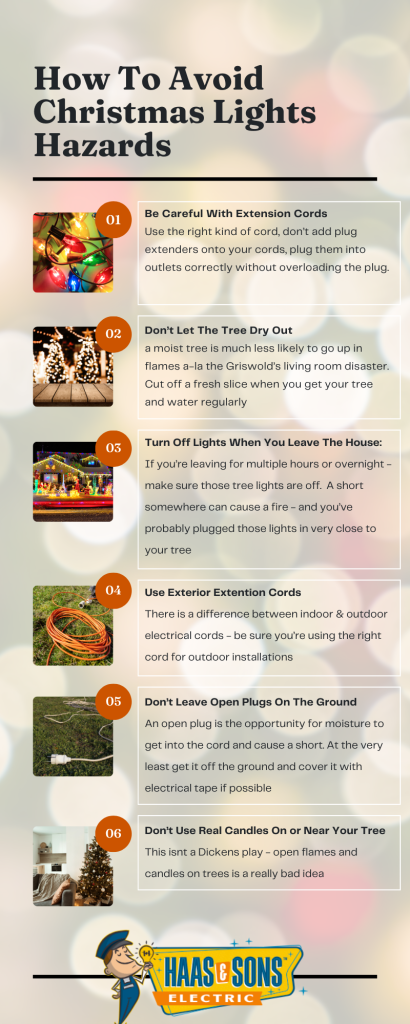
Choose lights labeled for outdoor use only. They resist rain, wind, and sun better. Indoor lights can short circuit outside. Outdoor lights have stronger insulation and waterproof features. This reduces the chance of failure and hazards.
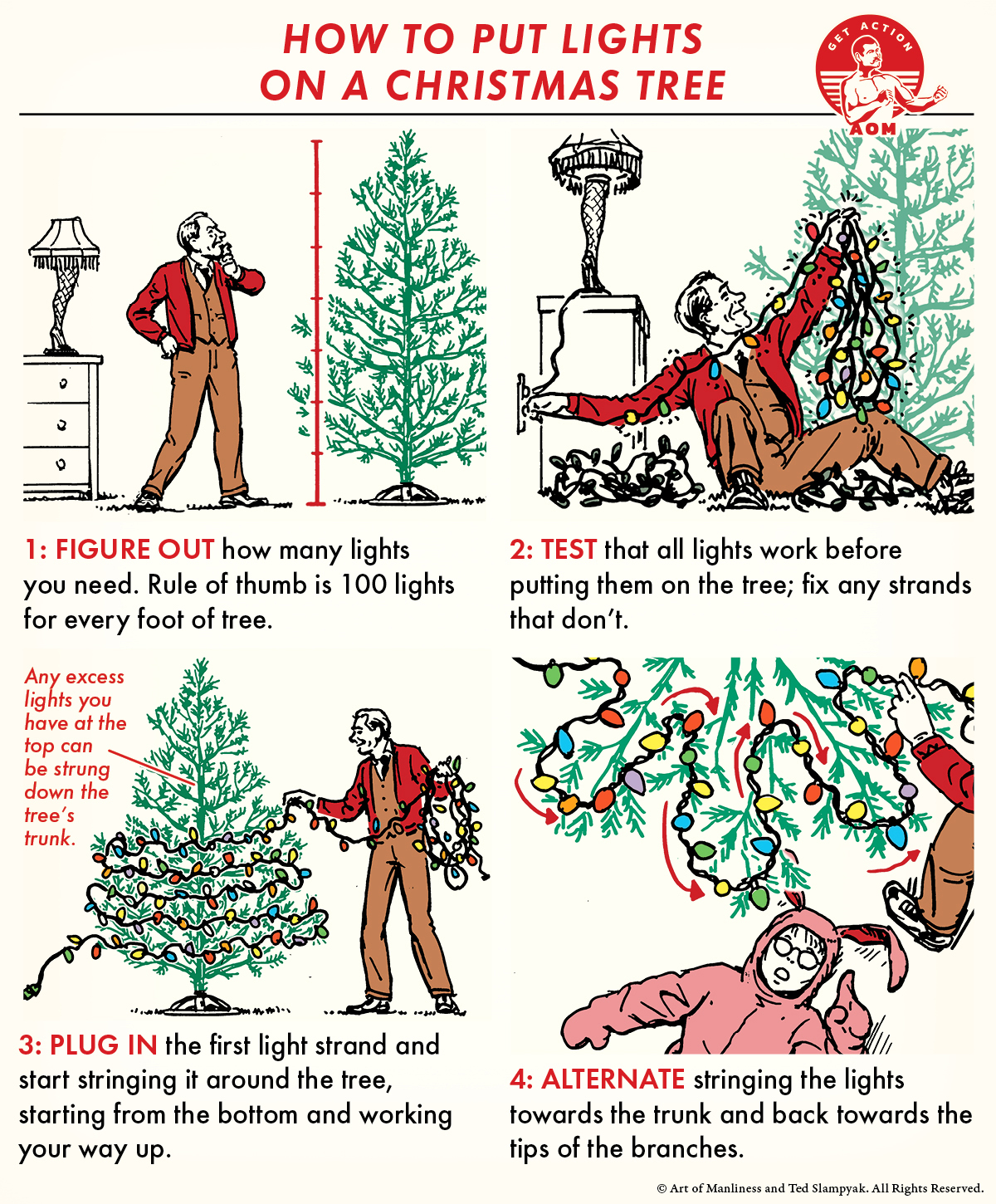
Credit: www.artofmanliness.com

Credit: www.youtube.com
Frequently Asked Questions
Why Are Some String Lights Not Lighting Up?
Check if the bulbs are securely in place and undamaged. Verify the fuse and power source. Replace any broken bulbs or faulty fuses to restore function.
How Can I Test If String Lights Are Faulty?
Use a multimeter to check for electrical continuity. Test each bulb socket and wire for breaks. Replace faulty sections to fix the issue.
What Causes String Light Bulbs To Burn Out Quickly?
Overloading the circuit or using the wrong voltage can cause bulbs to burn out. Ensure correct wattage and avoid daisy-chaining too many strands.
How Do I Fix A Broken Bulb In String Lights?
Turn off power first. Remove the broken bulb carefully. Replace it with a matching bulb to restore the string’s function.
Conclusion
String lights may stop working for many simple reasons. Check bulbs, fuses, and plugs carefully. Look for loose connections or broken wires too. Testing each part helps find the problem fast. Fixing small issues often saves time and money. Keep your lights clean and dry to avoid damage.
Understanding these steps makes repairs easier next time. Don’t give up—patience leads to glowing results. Bright lights are worth the effort.