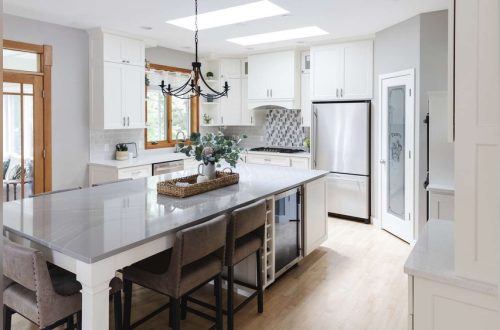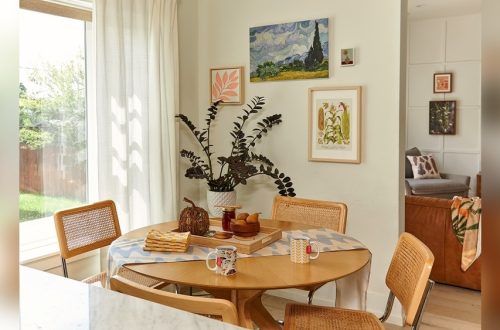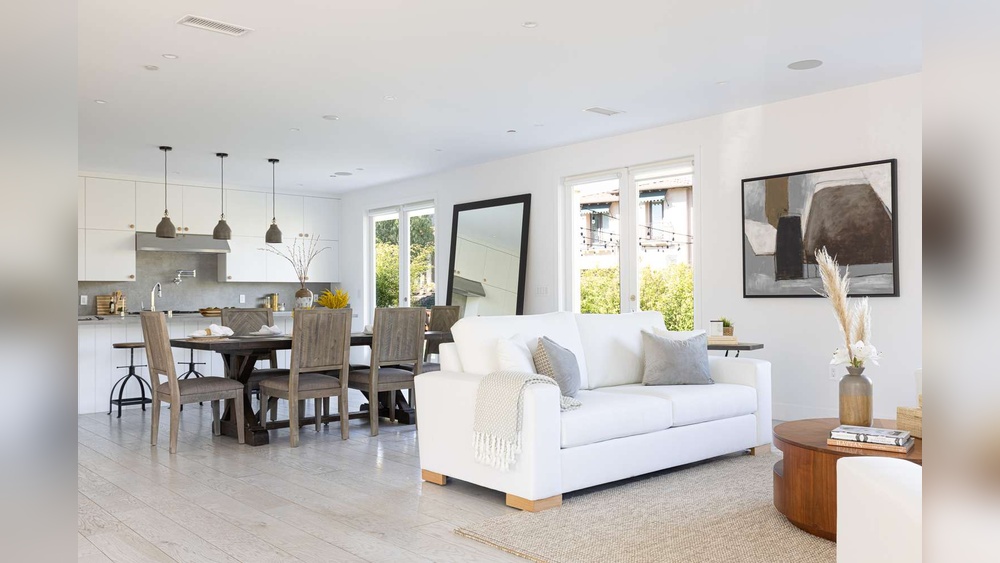
Are you struggling to create a beautiful and functional space when your living room and dining room share the same area? You’re not alone.
Decorating a living room dining room combo can feel tricky, but with the right ideas, you can make your space look stylish and inviting. Imagine a room where you can relax, entertain, and enjoy meals without any clutter or awkward layouts.
You’ll discover simple tips and smart tricks to transform your combo space into a seamless and cozy haven. Keep reading, and you’ll find easy ways to balance comfort and style that work perfectly for your home.
Choosing A Cohesive Color Scheme
Choosing a cohesive color scheme is key for decorating a living room dining room combo. It helps both spaces feel connected and balanced. A well-chosen palette makes your home look stylish and inviting.
Start by selecting colors that create harmony. Use tones that complement each other. This approach makes the rooms flow naturally without feeling separate.
Balancing Warm And Cool Tones
Mix warm and cool tones to create a balanced look. Warm colors like reds, oranges, and yellows bring energy and coziness. Cool colors such as blues, greens, and grays add calm and freshness.
Use warm tones in the dining area to encourage appetite and conversation. Apply cool tones in the living area for relaxation. This balance gives each space its own mood but keeps them connected.
Using Accent Colors Wisely
Accent colors add interest without overwhelming the space. Choose one or two accent colors to highlight features. Pillows, rugs, or art pieces work well for accents.
Keep the main color palette neutral or soft. This allows accent colors to shine. Changing accents is easy and gives your rooms a fresh look anytime.
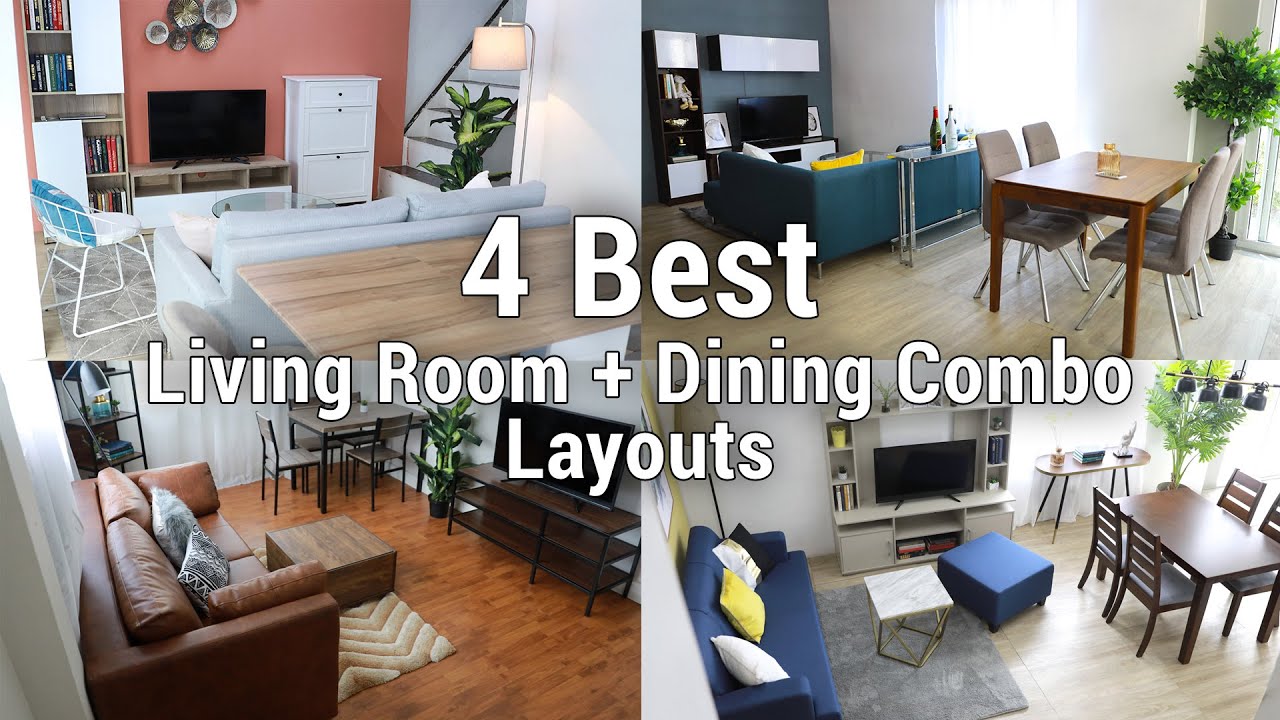
Credit: www.youtube.com
Selecting Multi-functional Furniture
Selecting multi-functional furniture is key for decorating a living room dining room combo. It helps save space and keeps the area tidy. Choosing pieces that serve more than one purpose adds style and function.
Multi-functional furniture fits small spaces well. It makes the room look bigger and more open. The right furniture also makes daily life easier and more comfortable.
Space-saving Dining Sets
Space-saving dining sets are perfect for small combos. Look for tables with foldable leaves or extendable tops. These allow you to adjust the size based on your needs.
Compact chairs that can tuck under the table save floor space. Some dining sets even come with built-in storage. This keeps items like tableware or linens close and organized.
Comfortable Seating Options
Choose seating that is both comfortable and flexible. Benches with storage underneath work well for dining and extra seating. They also help keep clutter out of sight.
Armchairs or ottomans can double as extra seats or footrests. Furniture with soft cushions invites relaxation after meals. Comfort matters in a shared living and dining space.
Creating Zones With Rugs And Lighting
Creating zones with rugs and lighting helps separate the living and dining areas. It makes the space feel organized and cozy. Rugs and lights guide the eye and show where one area ends and the other begins. This method works well for open floor plans or combined rooms.
Defining Areas With Rugs
Rugs mark the boundary of each zone clearly. Use a large rug under the dining table to anchor that space. Choose another rug for the living area to create a cozy spot for seating. Pick rugs with different colors or patterns to set them apart. Make sure the rugs are big enough to fit the furniture comfortably. This helps each zone feel separate but part of the same room.
Layered Lighting Techniques
Use different lights to highlight each zone. A chandelier or pendant light over the dining table creates focus. In the living area, add floor lamps and table lamps for soft, warm light. Layered lighting adds depth and interest to the room. It also gives flexibility for different moods and activities. Bright lights for meals, soft lights for relaxing. This balance makes the combined space more functional and inviting.
Incorporating Stylish Storage Solutions
Incorporating stylish storage solutions in a living room dining room combo helps keep the space neat. It also makes the room look organized and elegant. Smart storage can show your personal style while saving space.
Storage units can blend with your decor or stand out as a feature. Choose storage that fits your needs and the room’s size. Good storage keeps clutter away and improves the room’s flow.
Built-in Cabinets
Built-in cabinets offer a sleek and tidy storage option. They fit perfectly into walls, saving floor space. These cabinets can store dishes, books, or other items.
Choose cabinets with doors to hide clutter or glass fronts to display decor. Custom colors and finishes match your room’s style. Built-in cabinets create a clean, continuous look.
Open Shelving Ideas
Open shelves add visual interest and easy access to items. Arrange books, plants, and decorative pieces for a balanced look. Open shelving works well above dining tables or along living room walls.
Use baskets or boxes on shelves to keep smaller items tidy. This storage option feels light and airy, preventing the space from feeling crowded. Open shelves invite creativity in organizing and displaying your belongings.
Adding Decorative Elements
Adding decorative elements brings charm and personality to a living room dining room combo. It helps create a warm, inviting space where people want to spend time. Decorations also separate the two areas visually without walls or dividers.
Choosing the right pieces can enhance your room’s style and balance. Small details add up and make a big difference. Focus on items that match your taste and color scheme. Let’s explore some simple yet effective ways to decorate.
Artwork And Wall Decor
Artwork creates focal points that draw the eye and add interest. Large paintings or framed prints work well above sofas or dining tables. Choose art that reflects your personality and color palette.
Wall shelves can display small decorative objects or books. Mirrors help reflect light and make the space feel bigger. Use a mix of textures and shapes to keep walls lively but not busy.
Plants And Natural Accents
Plants bring life and freshness to any room. Small potted plants fit nicely on shelves or tables. Tall plants can fill empty corners and add height variety.
Natural materials like wood bowls, stone coasters, or woven baskets add warmth. These accents create a cozy, grounded feeling. Try to balance greenery with other natural textures for harmony.

Credit: edwardgeorgelondon.com
Maximizing Natural Light
Maximizing natural light is key in a living room dining room combo. It makes the space feel bigger and more inviting. Bright rooms improve mood and create a warm atmosphere. Using natural light well also saves energy by reducing the need for lamps or overhead lights.
Window Treatments
Choose light, sheer curtains that allow sunlight to pass through. Avoid heavy drapes that block light. Use blinds that can be fully opened during the day. Keep window areas clear of large furniture or decorations. This helps light flow freely into the room.
Mirrors To Enhance Brightness
Place mirrors across from windows to reflect light. This doubles the amount of natural light in the room. Use large mirrors or a group of smaller ones for more effect. Mirrors also add depth, making the space seem larger. Position mirrors where they catch sunlight but not glare.
Choosing Flooring For A Unified Look
Choosing the right flooring creates a smooth flow between your living and dining areas. It helps both spaces feel connected and balanced. The right floor can make your combo room look bigger and more inviting.
Picking flooring for a living room dining room combo means thinking about style, comfort, and durability. The floor must handle foot traffic and spills, especially in the dining zone. It should also match the overall design of your home.
Hardwood Vs. Tile Options
Hardwood floors add warmth and charm to any space. They come in many colors and finishes to fit your style. Hardwood is soft underfoot and feels cozy in living areas.
Tiles are strong and easy to clean. They work well in dining areas where spills happen. Tiles come in many shapes and designs, giving you flexibility.
Choosing hardwood or tile depends on your lifestyle. Hardwood fits relaxed, comfy rooms. Tiles suit busy areas that need quick cleaning. Both options can connect the spaces if the colors and patterns match.
Area Rugs For Comfort
Area rugs soften hard floors and add warmth. They create cozy spots in the living room and dining area. Rugs also help define each space without breaking the flow.
Pick rugs that match your furniture and floor color. Use one large rug or two smaller ones to set boundaries. Make sure rugs are easy to clean, especially under the dining table.
Rugs add texture and color, making rooms feel friendly and inviting. They help blend the living room and dining room into one smooth space.
Tips For Small Living-dining Combos
Decorating a small living-dining combo can feel tricky. The space is limited, but it must serve two purposes. You need a room that is both cozy and practical. Smart planning helps make the most of every inch. Use these tips to create a stylish and functional area.
Focus on furniture that fits the scale of the room. Choose pieces that do double duty. Think about how to open up the space visually. Small changes can make the room feel larger and brighter.
Compact Furniture Choices
Pick furniture that fits the room without crowding it. Look for sofas and chairs with slim arms and legs. Choose a dining table that can fold or extend. Stackable or foldable chairs save space when not used.
Storage ottomans and benches offer seating and hidden storage. Avoid bulky pieces that block movement or sightlines. Keep the furniture light in color to keep the room airy. Select items that match in style to create a balanced look.
Visual Tricks To Expand Space
Use mirrors to reflect light and open the room visually. Place them opposite windows for the best effect. Light-colored walls and ceilings help brighten the space. Use vertical lines in curtains or wallpaper to add height.
Choose rugs that define each area without breaking the flow. Keep window treatments simple to let in natural light. Clear furniture like glass or acrylic tables help reduce visual clutter. Keep décor minimal to avoid a crowded feel.
:strip_icc()/DesignbyEmilyHendersonDesignPhotographerbyTessaNeustadt_360-025334d218134a26ad2b78dd2150e625.jpg)
Credit: www.mydomaine.com
Frequently Asked Questions
How Can I Define Zones In A Living-dining Combo?
Use rugs and furniture placement to separate areas visually. Lighting changes also help define each zone clearly.
What Colors Work Best For Living-dining Combos?
Choose a cohesive color palette with complementary tones. Neutral shades with accent colors create harmony and balance.
How To Maximize Space In A Living-dining Combo?
Opt for multifunctional furniture and vertical storage. Keep pathways clear to ensure easy movement and openness.
What Lighting Suits Living And Dining Areas Together?
Combine ambient, task, and accent lighting. Use chandeliers over dining tables and soft lamps in living areas.
Conclusion
Creating a living room dining room combo can feel simple and fun. Use colors and furniture that match well. Keep the space open and easy to move around. Add lighting to make the area warm and bright. Personal touches make the room feel like home.
Small changes can bring big comfort. Enjoy your space where you eat, relax, and spend time with family. This shared area can be both useful and beautiful. Take your time and make it yours.