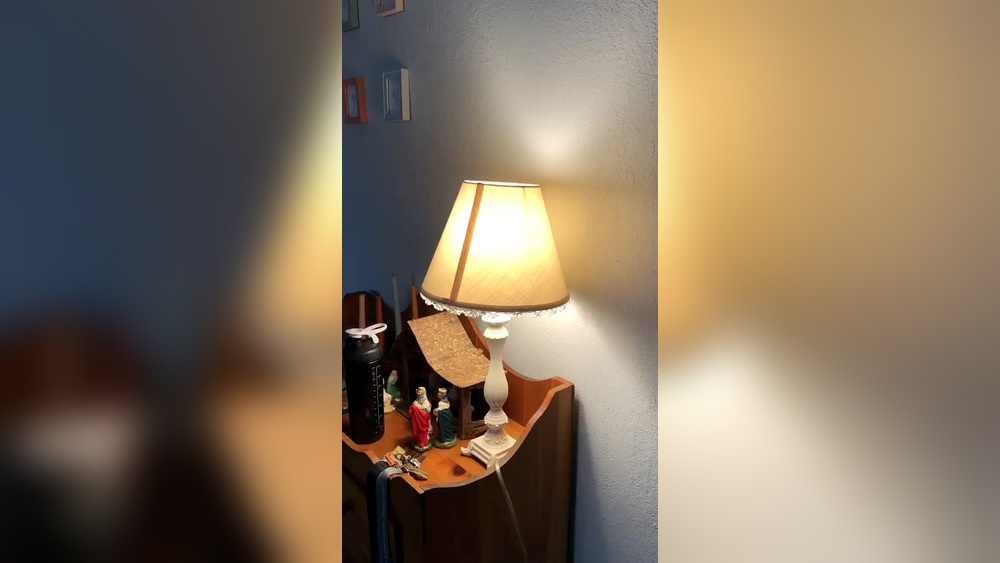
Have you ever noticed your table lamp flickering or turning on and off by itself? It’s not just annoying—it can disrupt your focus and even pose safety risks.
If your lamp acts intermittent, you’re probably wondering what’s causing it and how to fix it. You’ll uncover the most common reasons behind this problem and learn simple steps to get your lamp working smoothly again. Keep reading—you’ll be surprised how easy it is to solve!
Credit: blog.1000bulbs.com
Common Causes Of Intermittent Table Lamps
Table lamps can stop working properly for many reasons. An intermittent lamp turns on and off without warning. This problem often frustrates users and may seem hard to fix. Understanding the common causes helps to find quick solutions.
Some issues are easy to spot and fix. Others might need a bit of careful checking. The most common causes include loose parts, wiring problems, and electrical faults.
Loose Bulb Or Socket
A loose bulb or socket often causes flickering or blinking. The bulb may not sit firmly in its place. This weak connection interrupts the flow of electricity. Tightening the bulb or cleaning the socket usually solves this issue.
Faulty Power Cord
Power cords can wear out or break inside. Bends or cuts in the cord stop electricity from flowing smoothly. A damaged cord might cause the lamp to turn on and off. Replacing the cord is the best way to fix this problem.
Switch Problems
The switch controls the lamp’s power. Over time, switches can fail or get dirty inside. A bad switch can make the lamp flicker or shut off suddenly. Testing or changing the switch often restores normal function.
Electrical Outlet Issues
Sometimes the outlet is the real problem. Loose or damaged outlets may not supply steady power. Plugging the lamp into a different outlet can check this. Fixing or replacing the outlet may be necessary.
Internal Wiring Faults
Wiring inside the lamp can become loose or broken. These internal faults cause intermittent lighting. Opening the lamp to inspect wires helps find the issue. Repairing or reconnecting wires usually fixes the problem.
Diagnosing The Problem
Diagnosing an intermittent table lamp requires careful checking. The problem could be in many parts. Finding the exact cause saves time and money. Start with simple checks before moving to complex ones. Each step helps narrow down the issue.
Checking The Bulb And Socket
Begin by inspecting the bulb. A loose or old bulb often causes flickering. Make sure the bulb fits tightly in the socket. Check for signs of damage or dark spots on the bulb. Test the bulb in another lamp to confirm it works well.
Testing The Power Cord
Look closely at the power cord for cracks or breaks. A damaged cord can cause power interruptions. Move the cord gently while the lamp is on. Flickering during movement signals a wiring problem inside the cord. Replace the cord if you find any damage.
Inspecting The Switch
Try turning the lamp on and off several times. A faulty switch may cause intermittent light. Listen for unusual sounds when flipping the switch. If the lamp flickers or stops working during use, the switch could be faulty. Test the switch with a multimeter if possible.
Verifying The Outlet
Plug the lamp into a different outlet to check power supply. A loose or faulty outlet can cause flickering. Test the outlet with another device to ensure it works. Avoid using damaged or worn-out outlets for safety reasons.
Examining Internal Wiring
Open the lamp base carefully to access internal wiring. Look for loose connections or broken wires. Wires can become loose from vibrations or age. Tighten any loose wires and replace damaged ones. Handle wiring carefully to avoid electric shocks.
Simple Fixes For Intermittent Lamps
Simple fixes can often solve the problem of an intermittent table lamp. These steps are easy and require no special tools. Most issues come from loose parts or dirt. Trying these fixes can save time and money.
Tightening Or Replacing The Bulb
Loose bulbs cause flickering or blinking. Turn off the lamp and let the bulb cool. Tighten the bulb gently by turning it clockwise. Replace the bulb if it looks damaged or old. Use the correct wattage to avoid future issues.
Repairing Or Replacing The Power Cord
Damaged cords can cause power loss. Check the cord for cuts or frays. Unplug the lamp before inspecting. Repair small damages with electrical tape. Replace the cord if damage is severe or inside the lamp.
Cleaning Or Changing The Switch
Dirt or dust in the switch can interrupt power flow. Turn off and unplug the lamp. Use a dry cloth to clean around the switch. If cleaning does not help, replace the switch. A smooth switch can fix flickering problems.
Using A Different Outlet
The outlet may be the cause of the problem. Try plugging the lamp into another socket. Avoid outlets that control multiple devices. A steady power supply from a different outlet can stop flickering.
Securing Internal Connections
Loose internal wires cause intermittent power. Unplug the lamp and open the base carefully. Check all wire connections inside. Tighten any loose wires with a screwdriver. Secure connections ensure steady lamp performance.
When To Seek Professional Help
Sometimes, a table lamp’s flickering or turning off is more than a simple bulb issue. Knowing when to call a professional can save you time and keep you safe. Electrical problems can be tricky and may need expert attention.
Signs Of Complex Electrical Issues
Look for frequent flickering even after changing the bulb. Sparks or burning smells near the lamp are serious warning signs. If the lamp’s plug or cord feels hot, it needs checking. Sudden power loss or tripping breakers linked to the lamp shows deeper issues.
Safety Precautions
Turn off the lamp and unplug it before inspecting. Avoid touching wires or parts inside the lamp. Do not use the lamp if you notice damage or overheating. Keep children and pets away from the lamp until fixed. Use a flashlight or other light source to avoid accidents.
Finding A Qualified Electrician
Search for licensed electricians with good reviews. Ask about their experience with home lighting repairs. Check if they offer a service guarantee. Choose someone who explains problems and solutions clearly. Quick and safe repairs depend on the right professional.
Preventing Future Lamp Issues
Preventing future lamp issues helps save time and money. Regular care keeps your table lamp working well for years. Small steps can stop problems before they start. Understanding simple habits and choices makes a big difference.
Regular Maintenance Tips
Clean the lamp and socket often. Dust and dirt can cause poor connections. Check the cord for cracks or frays. Replace bulbs before they burn out completely. Tighten loose parts to avoid flickering. Simple checks prevent many common problems.
Choosing Quality Components
Use bulbs that match the lamp’s power needs. Buy cords and plugs from trusted brands. Low-quality parts wear out quickly and cause issues. Invest in good materials for long-lasting use. Quality parts reduce flickering and electrical risks.
Proper Usage Practices
Turn off the lamp before changing bulbs. Avoid pulling the cord to unplug the lamp. Place the lamp on a stable surface. Do not overload the lamp with high-watt bulbs. Use the switch gently to avoid damage. Proper use extends the lamp’s life.

Credit: www.drkarunhematology.com
Credit: excelelectricalsystems.com
Frequently Asked Questions
What Causes A Table Lamp To Flicker Intermittently?
A table lamp flickers due to loose bulbs, faulty wiring, or a damaged switch. It can also be caused by power surges or socket issues.
How Do Loose Bulbs Affect Lamp Performance?
Loose bulbs create poor electrical contact, causing the lamp to flicker or turn off unexpectedly. Tightening the bulb usually fixes this.
Can A Faulty Switch Make A Lamp Intermittent?
Yes, a worn or damaged switch disrupts the electrical flow, causing the lamp to turn on and off intermittently.
Why Does Wiring Cause Intermittent Lamp Issues?
Damaged or loose wiring interrupts power supply, leading to flickering or inconsistent lamp operation. Inspecting and repairing wiring solves this problem.
Conclusion
A table lamp can flicker or go on and off for many reasons. Loose bulbs or faulty sockets often cause this problem. Worn-out cords or switches may also interrupt the flow of electricity. Dust or dirt inside the lamp can block connections.
Fixing these issues usually restores steady light. Regular checks help keep your lamp working well. Understanding these causes can save time and money. Don’t ignore the signs of an intermittent lamp. A steady, bright light makes any room feel better.