Have you ever bought a Himalayan salt lamp, only to wonder if it’s the real deal? These lamps are loved for their warm glow and supposed health benefits, but not all of them are genuine.
A fake lamp won’t give you the same glow or benefits, and you might be wasting your money. You’ll learn simple and clear ways to spot a fake Himalayan salt lamp. By the end, you’ll feel confident knowing exactly what to look for before you buy.
Keep reading to protect your purchase and enjoy the true beauty of a real salt lamp.

Credit: www.earthinspiredgifts.com.au
Key Features Of Genuine Salt Lamps
Genuine Himalayan salt lamps have distinct features that set them apart from fake ones. These features help buyers know what to expect from a real salt lamp. Recognizing these traits ensures you get a natural, quality product that offers the true benefits of Himalayan salt.
Real salt lamps show natural signs in color, texture, and weight. These signs come from the pure salt crystals mined from the Himalayan mountains. Each lamp is unique, with small differences that prove its authenticity.
Natural Color Variations
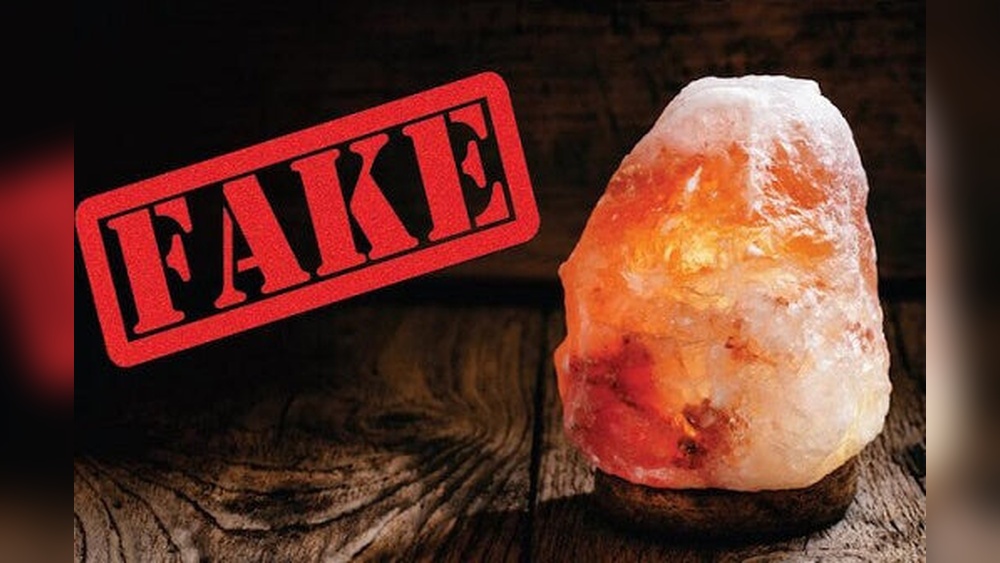
True Himalayan salt lamps have soft, warm colors. Shades range from light pink to deep orange. The color is uneven, showing natural streaks and patches. No lamp has a perfectly uniform color. Fake lamps often look too bright or too perfect.
Unique Texture And Shape
Each genuine salt lamp has a rough, grainy surface. It feels like natural rock, not smooth plastic or glass. Shapes are irregular and not perfectly symmetrical. This is because the salt crystals are hand-carved from large salt blocks. Fake lamps usually have smooth, machine-made surfaces.
Weight And Density
Real salt lamps feel heavy for their size. Salt crystals are dense and solid. A genuine lamp will not feel light or hollow. Fake lamps often use lightweight materials or hollow cores. Picking up the lamp can help check its authenticity.
Common Signs Of Fake Salt Lamps
Fake Himalayan salt lamps often look different from real ones. Knowing the common signs helps avoid buying a poor-quality product. These signs include strange colors, poor bulb quality, and cheap bases. Spotting these features saves money and ensures you get a genuine lamp.
Unnatural Brightness Or Color
Real salt lamps glow softly with warm orange or pink light. Fake lamps may shine too bright or have harsh colors. Bright white or neon colors are a clear sign of a fake lamp. The glow should feel calm, not glaring or sharp.
Light Bulb Quality And Heat
Good salt lamps use low-watt bulbs that stay warm but not hot. Fake lamps often have cheap bulbs that get too hot or stay cold. Too much heat can damage the salt or the lamp base. Check if the bulb heats the lamp gently and evenly.
Plastic Or Synthetic Base
Original lamps usually sit on wooden or sturdy stone bases. Fake lamps may have bases made of cheap plastic or low-quality materials. Plastic bases often look shiny or feel very light. A strong, natural base adds stability and style to the lamp.
Testing Your Salt Lamp At Home
Testing your salt lamp at home is a simple way to check its authenticity. You do not need special tools or skills. Just use easy methods to see if your lamp is real Himalayan salt. These tests help you avoid buying fake lamps that do not have health benefits or the right glow.
Water Test For Salt Content
Fill a glass with water. Drop a small piece of salt from the lamp into the water. Real Himalayan salt will dissolve slowly and make the water salty. Fake lamps made of colored wax or other materials will not dissolve or make the water salty.
Scratch And Smell Checks
Use a coin or nail to gently scratch a hidden spot on the lamp. Real salt feels rough and leaves a white mark. Fake lamps may feel smooth or waxy without any salt residue. Then, smell the lamp. Real salt has a faint, natural smell. Fake lamps often smell like plastic or chemicals.
Heat Emission Observation
Turn on the lamp and watch how it heats up. A real Himalayan salt lamp warms slowly and emits a soft, gentle heat. Fake lamps may heat unevenly or feel hot quickly. Real salt lamps also help absorb moisture from the air, which fake ones cannot do.
Where To Buy Authentic Salt Lamps
Buying an authentic Himalayan salt lamp can be tricky. Many sellers offer fake or low-quality products. Knowing where to buy authentic lamps helps you avoid scams and get real benefits. Trustworthy sources provide genuine salt lamps that glow with a warm, natural light.
Reputable Sellers And Brands
Choose sellers with strong reputations. Check online reviews and ratings carefully. Well-known brands usually provide real Himalayan salt lamps. Avoid unknown or suspicious sellers with little feedback. Buy from stores specializing in natural or wellness products. This increases your chance of getting an authentic lamp.
Certifications And Authenticity Labels
Look for certifications proving the lamp’s origin. Authentic Himalayan salt lamps come with labels showing they are mined in Pakistan. Some lamps carry quality assurance marks. These labels confirm the salt is natural and untreated. Always ask the seller for proof of authenticity before buying.
Avoiding Common Scams
Beware of salt lamps sold at very low prices. Cheap lamps often use fake or dyed salt. Avoid lamps that glow too brightly or have an unnatural color. Scammers may also sell lamps without real salt crystals inside. Never buy lamps without a clear description of materials. Trust your instincts; if it feels wrong, it probably is.
Maintaining And Caring For Salt Lamps
Maintaining and caring for your Himalayan salt lamp helps it last longer and work better. Salt lamps absorb moisture from the air. This can make the salt wet or cause it to sweat. Proper care keeps your lamp dry and glowing softly. Follow simple steps to clean, place, and replace bulbs safely.
Cleaning Tips
Use a dry or slightly damp cloth to clean the lamp. Avoid using water directly on the salt. Do not soak the lamp or use cleaning sprays. Wipe gently to remove dust and dirt. Dry the lamp immediately if it feels wet. Clean regularly to keep the lamp bright and clear.
Proper Placement
Place your salt lamp in a dry area. Avoid rooms with high humidity like bathrooms or kitchens. Keep it away from open windows and air conditioners. Use a stable surface to prevent it from falling. A good spot helps the lamp stay dry and safe.
Replacing Bulbs Safely
Turn off and unplug the lamp before replacing bulbs. Let the lamp cool down completely. Use the correct bulb type and wattage for your lamp. Handle bulbs with care to avoid breakage. Proper bulb replacement keeps your lamp working well and safe.

Credit: www.earthinspiredgifts.com.au

Credit: www.earthinspiredgifts.com.au
Frequently Asked Questions
How Can I Tell If My Himalayan Salt Lamp Is Real?
Check the lamp’s texture and color. Real lamps have natural pinkish hues and rough edges. Fake ones look too smooth or overly bright.
What Are Common Signs Of A Fake Salt Lamp?
Fake lamps often have uniform color, weigh less, and feel waxy. Genuine lamps show color variations and feel solid and heavy.
Does A Real Himalayan Salt Lamp Glow Differently?
Yes, real lamps emit a warm, soft orange or pink glow. Fake lamps usually shine too brightly or have unnatural colors.
Can Salt Lamps Help Purify Air Like Real Ones?
Only genuine Himalayan salt lamps release negative ions that may improve air quality. Fake lamps lack this natural benefit.
Conclusion
Spotting a fake Himalayan salt lamp is easier than you think. Check the color, weight, and light glow carefully. Real lamps have a natural, uneven texture and warm pinkish hue. Fake ones often look too bright or uniform. Trust your eyes and touch to tell the difference.
Choosing a genuine lamp helps you enjoy its natural beauty and benefits. Stay aware and shop smart to avoid fakes. Your home deserves the real deal, not a copy. Simple steps can save you money and disappointment.