Are you thinking about giving your bedroom a fresh new look but unsure how much it will cost? Decorating your bedroom can be exciting, but the budget often holds you back.
What if you could plan your makeover without surprises and get the best value for your money? You’ll discover exactly how much money it takes to decorate a bedroom—from simple updates to full transformations. By the end, you’ll feel confident making smart choices that fit your style and wallet.
Ready to see what your dream bedroom might really cost? Let’s dive in.
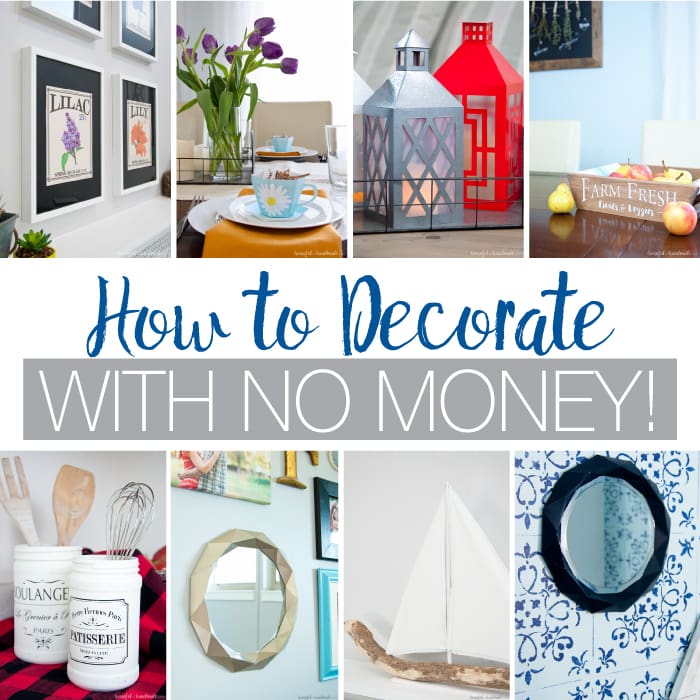
Credit: housefulofhandmade.com
Budget Breakdown
Knowing the budget helps plan your bedroom decoration well. It guides your choices and stops overspending. Costs vary by room size, style, and extra needs. This budget breakdown shows common costs and key points to think about.
Average Costs By Room Size
Small bedrooms usually cost less. Expect around $1,000 to $3,000. Medium rooms can range from $3,000 to $6,000. Larger bedrooms may need $6,000 or more. Bigger rooms need more furniture and decor. This raises the total cost quickly.
Luxury Vs Budget Options
Luxury options use high-end materials and brands. Prices rise with designer furniture and custom pieces. Budget options focus on affordable furniture and DIY projects. They save money but still look nice. Choose based on what fits your wallet best.
Hidden Expenses To Consider
Don’t forget delivery and assembly fees. Painting or wallpapering adds to the cost. Lighting upgrades might need an electrician. Small decor items add up fast. Set aside extra money for these surprise costs.

Credit: www.maramani.com
Furniture Expenses
Furniture makes a big part of bedroom decorating costs. It shapes the room’s comfort and look. Choosing the right pieces matters for your budget and style.
Focus on the main furniture first. These usually take most of the budget. Then add smaller items to complete the room.
Beds And Mattresses
The bed is the bedroom’s center piece. Prices can range from low to high. A simple bed frame might cost $100 to $300. Mattresses vary from $200 to over $1,000.
Invest in a good mattress for better sleep. Budget options work well for guest rooms. Luxury mattresses suit master bedrooms.
Storage Solutions
Storage keeps the bedroom neat and organized. Wardrobes, dressers, and shelves are common choices. Prices depend on size and material.
Small dressers can cost around $100 to $250. Larger wardrobes might reach $500 or more. Simple shelves are affordable and useful.
Seating And Accessories
Seating adds comfort and style. Chairs, benches, or ottomans fit well in many bedrooms. Prices often range from $50 to $300.
Accessories like nightstands and lamps complete the look. Nightstands usually cost $50 to $150 each. Lamps vary widely, starting at $20.
Decor And Accessories
Decor and accessories bring life to any bedroom. They add personality and comfort without large expenses. Small touches can change the entire feel of the room. Choosing the right pieces helps balance style and budget.
Wall Art And Decorations
Wall art sets the tone for the bedroom. Prints, paintings, or photos personalize the space. Prices vary from cheap posters to expensive framed art. DIY art or prints from local markets offer savings. Mirrors also decorate walls and make rooms look bigger.
Lighting Choices
Lighting affects mood and function in bedrooms. Table lamps, floor lamps, and string lights create cozy atmospheres. Simple lamps can cost as little as $20. For a modern look, consider LED lights. Changing light bulbs to warm tones costs little but adds warmth.
Rugs And Curtains
Rugs add softness and color to floors. Small rugs start around $30, while larger ones cost more. Curtains control light and provide privacy. Basic curtains can be affordable and easy to install. Choosing neutral colors helps keep the room calm and simple.
:strip_icc()/199644499_486608345955189_3012398494429630658_n-38e53648a0174246b37a47be3d1516d5.jpg)
Credit: www.mydomaine.com
Diy Vs Professional Help
Decorating a bedroom can be exciting but also costly. Choosing between doing it yourself or hiring a professional affects both your budget and the final look. Each option has its pros and cons. Understanding these can help you decide what fits your needs and wallet.
Cost Savings With Diy
Doing it yourself saves money on labor fees. You only pay for materials and tools. Simple projects like painting or rearranging furniture are easy to handle. DIY lets you control every detail and pace. Mistakes might happen, but they cost less than hiring pros. Time investment is higher, but the budget stays low.
Hiring Interior Designers
Interior designers bring experience and style to your space. They help choose colors, furniture, and decorations that match your taste. Professionals have access to exclusive products and discounts. The cost includes their design fees and sometimes project management. This option suits those who want a polished look without stress. The final price can be higher but often worth it.
When To Choose Professionals
Choose professionals for complex tasks or big changes. Electrical work, custom furniture, or structural adjustments need expert skills. If time is limited, pros finish faster and cleaner. When you want expert advice to avoid costly mistakes, hire help. For small budgets or simple updates, DIY works well. Balance your skills, time, and money before deciding.
Material And Style Impact
Decorating a bedroom involves more than just picking colors. The choice of material and style plays a big role in the total cost. These factors decide how much you spend and the look you get. Understanding their impact helps plan your budget better.
Material Quality And Price
Materials vary widely in price. Basic materials like laminate or MDF cost less. Solid wood and metal tend to be pricier. High-quality fabrics for curtains and bedding also raise costs. Cheaper materials save money but may wear out faster. Good materials often last longer and look better.
Popular Style Costs
Styles like modern, rustic, or minimalist affect expenses. Modern designs often use sleek, expensive materials. Rustic styles may need handmade or reclaimed wood, which can be costly. Minimalist looks usually require fewer items, lowering costs. Each style has typical price ranges for furniture and decor.
Mixing Styles On A Budget
Combining styles can create a unique bedroom without high costs. Use affordable pieces from one style and mix with a few pricier items from another. For example, pair budget-friendly modern furniture with rustic decor accents. This approach keeps the room interesting and controls spending.
Planning Your Spend
Planning your spend is the first step in decorating a bedroom. It helps control costs and avoid overspending. A clear plan guides every purchase. It makes the process smooth and stress-free.
Setting Realistic Budgets
Start by deciding how much money you can spend. Think about your total budget and stick to it. Break the money down into smaller parts for furniture, paint, and accessories. Be honest about what you can afford. Realistic budgets keep your project on track.
Prioritizing Key Items
Focus on the most important pieces first. A good bed or mattress is a smart place to start. Next, choose essential furniture like a dresser or nightstand. Save smaller decorations for last. Prioritizing helps you spend on what matters most.
Tracking Expenses Effectively
Keep a list of every cost. Write down prices before you buy. Use a notebook or a simple app. Check your spending often to stay within budget. Tracking expenses stops surprises and keeps control in your hands.
Frequently Asked Questions
How Much Does It Cost To Decorate A Bedroom?
Decorating a bedroom typically costs between $500 and $5,000. Expenses vary based on furniture, paint, decor, and labor. Budget-friendly options focus on DIY and essentials, while luxury designs include custom pieces and high-end materials.
What Are The Main Expenses In Bedroom Decoration?
Main expenses include furniture, paint, lighting, bedding, and decor accessories. Furniture often takes the largest share. Costs vary depending on style, quality, and size of the room. Planning helps manage these costs effectively.
Can I Decorate A Bedroom On A Tight Budget?
Yes, decorating on a tight budget is possible. Prioritize repainting, rearranging furniture, and adding affordable decor. DIY projects and thrift shopping also reduce costs while creating a stylish look.
How To Estimate Bedroom Decoration Costs Accurately?
Estimate costs by listing desired items and researching prices. Include furniture, paint, lighting, and decor. Add a 10-20% buffer for unexpected expenses. Comparing quotes from professionals helps ensure accuracy.
Conclusion
Decorating a bedroom can fit many budgets. Costs depend on style, size, and materials. You can spend little or invest more for quality. Planning helps keep expenses under control. Small changes often make a big difference. Focus on comfort and your personal taste.
Create a space where you feel happy and relaxed. Budget wisely, and enjoy the process of making your room yours.