Is your artificial Christmas tree giving off an unpleasant smell? You’re not alone.
Many people notice a strange odor when they unpack their tree each year, and it can take away from the holiday cheer. But don’t worry—getting rid of that smell is easier than you think. You’ll discover simple, effective ways to freshen up your tree so your home smells clean and inviting.
Keep reading, and you’ll be ready to enjoy the festive season without any unwanted odors.
Sources Of Odor In Artificial Trees
Artificial Christmas trees sometimes give off an unwanted smell. This odor can come from different sources. Understanding these sources helps in removing the smell effectively.
Knowing where the odor starts makes cleaning easier. It also keeps your home smelling fresh during the holidays.
Materials Causing Smell
Most artificial trees are made from plastic and metal. The plastic parts may release a chemical smell. This happens especially when the tree is new. The smell comes from the materials used in making the tree. Some trees also have a coating that can add to the odor.
Storage Factors
How you store your tree affects its smell. Keeping the tree in a damp place can cause musty odors. Dust and dirt can also build up during storage. Using a plastic bag or box without ventilation traps smells inside. Long storage times can make the odor stronger.
Environmental Influences
The room environment changes the tree’s smell too. Warm rooms can make the smell more noticeable. Poor air circulation allows odors to stay longer. Smoke, pets, or cooking smells nearby can mix with the tree’s scent. This can create unpleasant odors.

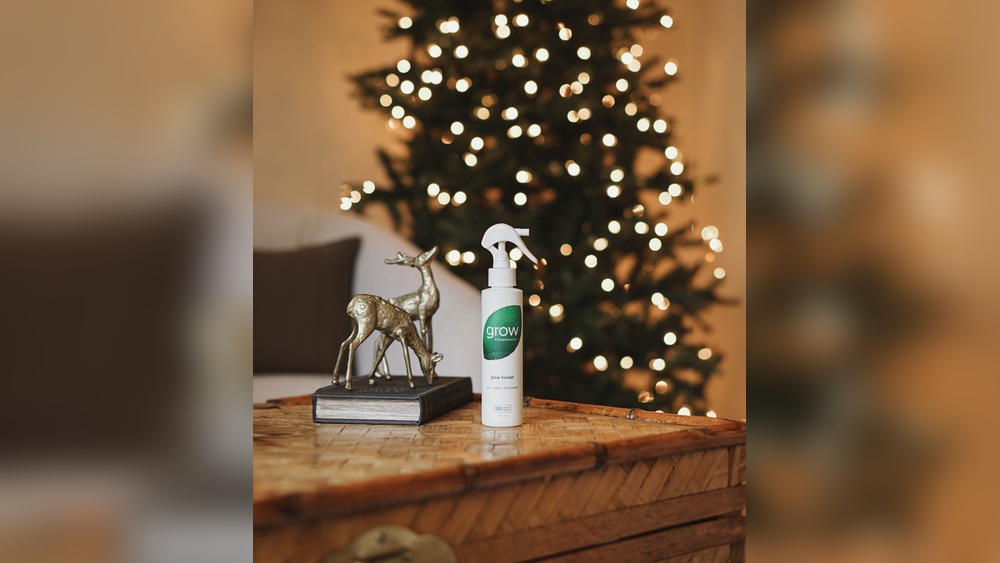
Credit: www.growfragrance.com
Simple Cleaning Techniques
Simple cleaning techniques help remove bad smells from artificial Christmas trees. These methods keep your tree fresh and ready for the season. They use common household items and take little time.
Dusting And Vacuuming
Start by dusting the tree branches with a soft cloth. This removes dirt and dust that cause odors. Use a vacuum with a brush attachment to clean hard-to-reach spots. Vacuum gently to avoid damage. Regular dusting prevents buildup and keeps your tree smelling clean.
Soap And Water Wash
Mix mild soap with warm water in a bucket. Dip a soft cloth or sponge into the soapy water. Wipe down each branch carefully. Avoid soaking the tree to prevent damage. Rinse the cloth often to remove dirt. Let the tree dry completely before storing or decorating.
Using Vinegar Solution
Combine equal parts white vinegar and water in a spray bottle. Lightly spray the tree branches with the mixture. Vinegar helps neutralize odors without harsh chemicals. Wipe the branches with a clean cloth after spraying. Allow the tree to air dry. This method is safe and effective for freshening your artificial tree.
Natural Deodorizers
Artificial Christmas trees sometimes hold a strange smell. This odor can come from the plastic or storage. Natural deodorizers help remove these smells safely. They use simple ingredients to freshen your tree. These methods keep your home smelling clean and festive.
Baking Soda Applications
Baking soda is a strong odor absorber. Sprinkle it lightly on the tree branches. Let it sit for a few hours or overnight. Then, gently shake or vacuum the tree. This removes the baking soda and the bad smells. Baking soda is cheap, safe, and easy to use.
Essential Oil Sprays
Essential oils add a fresh scent and fight odors. Mix a few drops of oils with water in a spray bottle. Popular choices include pine, peppermint, or citrus. Lightly mist the tree with the spray. Avoid soaking the branches to prevent damage. This method leaves a pleasant, natural fragrance.
Activated Charcoal
Activated charcoal traps odors and moisture effectively. Place charcoal bags near or under the tree. Charcoal works silently to absorb smells. Replace the bags every few weeks for best results. This method is odorless and safe for homes with pets.
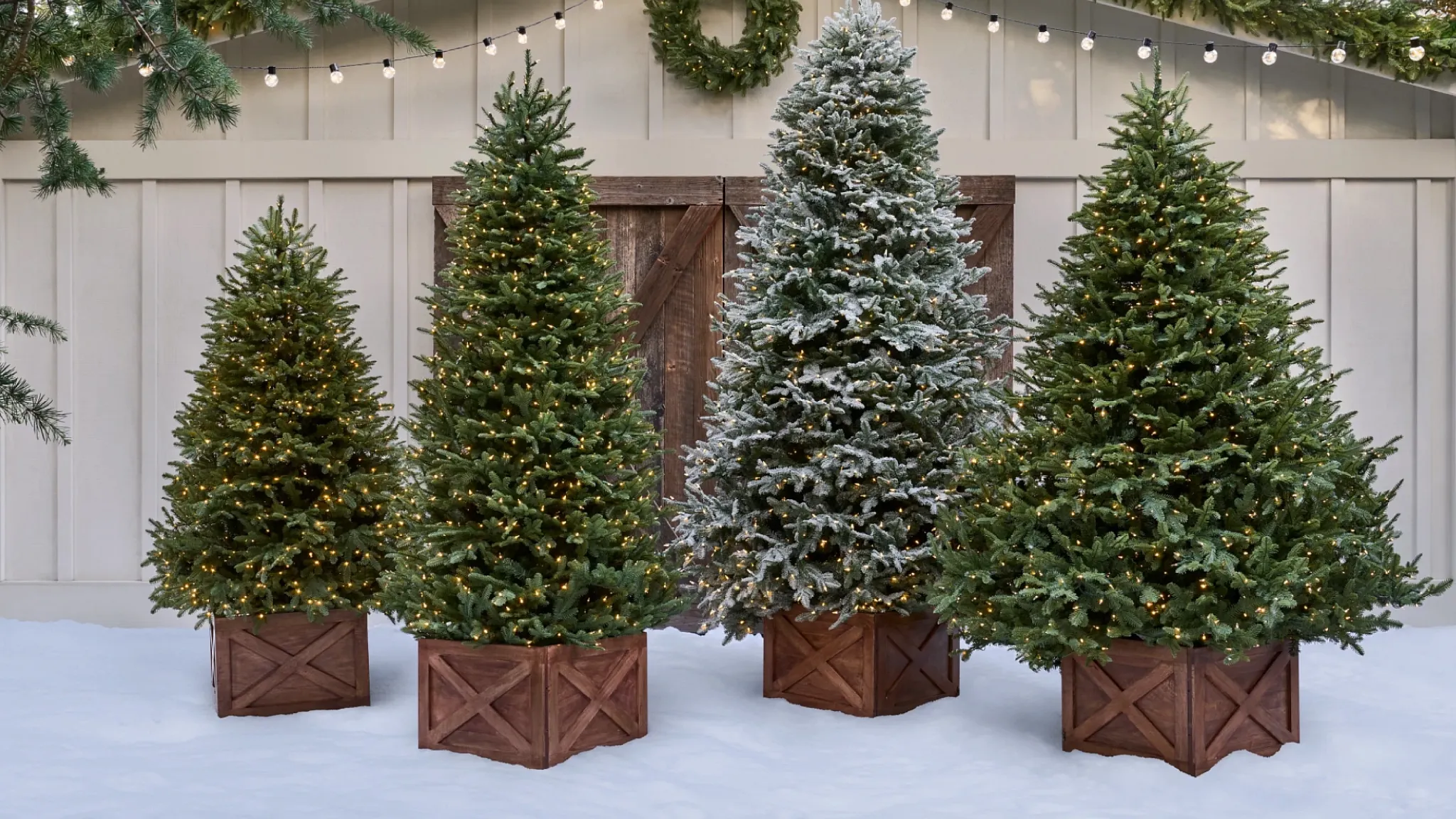
Credit: www.balsamhill.com
Preventing Future Odors
Preventing odors in your artificial Christmas tree keeps your home fresh. Taking simple steps helps stop bad smells from returning. These tips make your tree stay clean and smell nice year after year.
Proper Storage Tips
Store your tree in a cool, dry place. Avoid damp basements or garages. Use a sealed container or tree bag to keep dust out. Keep the tree away from strong smells like paint or chemicals. Clean the tree before storing to remove any dirt or moisture.
Regular Maintenance
Dust your tree before and after the holiday season. Use a soft cloth or vacuum with a brush attachment. Check for mold or mildew regularly. Wipe branches with a mild soap solution if needed. Let the tree dry completely before putting it away.
Choosing Low-odor Trees
Select trees made from high-quality materials. Look for trees labeled “low odor” or “odor-free.” These trees use safer, less smelly plastics. Avoid trees that smell strongly of chemicals or plastic. A better tree means less chance of bad smells later.
When To Replace Your Tree
Knowing when to replace your artificial Christmas tree helps keep your home fresh. Over time, odors may build up and cleaning might not be enough. A fresh tree means a clean, pleasant holiday space. Here are signs and tips to decide the right time to get a new tree.
Signs Of Persistent Odor
If your tree smells bad even after cleaning, it might be time to replace it. Strong, musty smells that linger can be hard to remove. Check for mold or mildew on the branches and base. These odors can get worse and affect your whole room.
Health Considerations
Bad smells may come from mold spores or dust trapped in the tree. Breathing these can cause allergies or breathing problems. If you or your family feel sneezing, coughing, or itchy eyes near the tree, it is a warning. A new tree can help protect your health during the holidays.
Eco-friendly Disposal
Recycling your old tree helps the environment. Many cities offer tree recycling programs for artificial trees. You can also donate parts or recycle materials if possible. Proper disposal keeps waste low and helps the planet stay clean. Choose a method that fits your local guidelines.

Credit: www.reddit.com
Frequently Asked Questions
How To Remove Chemical Smell From Artificial Christmas Tree?
To remove the chemical smell, air out the tree in a well-ventilated area. Wipe branches with a mixture of water and vinegar. Use activated charcoal nearby to absorb odors. Repeat these steps until the smell dissipates completely.
Can Baking Soda Eliminate Artificial Tree Odors?
Yes, baking soda can neutralize odors. Sprinkle it lightly on branches and let it sit for several hours. Then, gently brush or vacuum off the powder. This method absorbs smells without damaging the tree’s materials.
Why Does My Artificial Christmas Tree Smell?
New artificial trees often emit odors from manufacturing chemicals. These smells come from plastics, adhesives, and packaging materials. Proper airing and cleaning usually reduce or eliminate the smell over time.
Is It Safe To Use Vinegar On Artificial Trees?
Yes, diluted vinegar is safe and effective for odor removal. Mix equal parts water and vinegar, then wipe branches gently. Vinegar neutralizes odors without harming the tree’s plastic or metal parts.
Conclusion
Getting rid of smells from an artificial Christmas tree is simple. Clean the tree gently with soap and water. Let it dry well before putting it up. Use natural fresheners like baking soda or vinegar. These steps keep your tree smelling fresh and nice.
Enjoy a pleasant holiday with a clean, odor-free tree. Small efforts make a big difference. Your home will feel cozy and inviting all season. Keep these tips handy for every holiday season ahead.