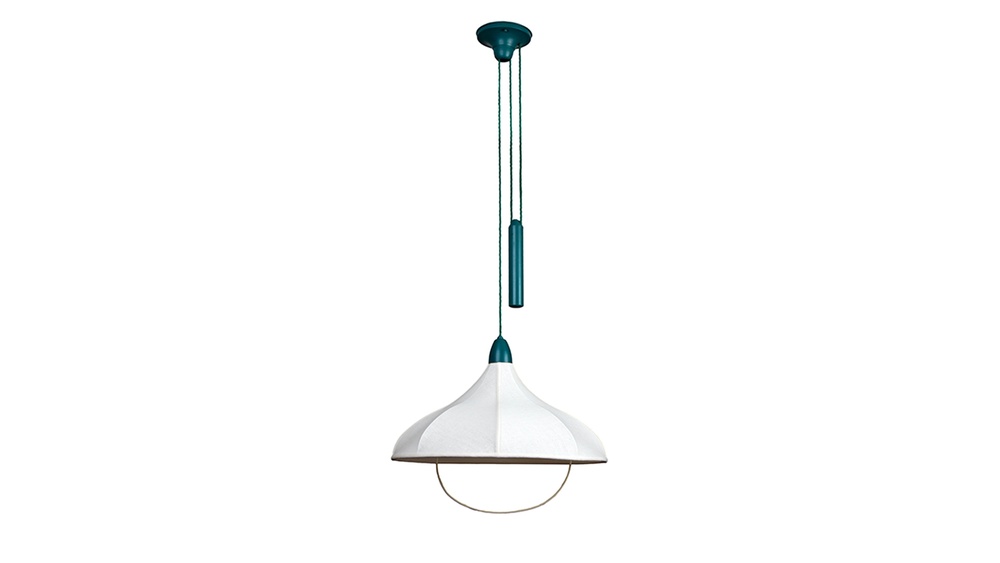
Have you ever looked up and noticed your pendant light hanging a little lower than before? Or worse, found it on the floor without warning?
If so, you’re not alone—and understanding why your pendant light could fall is more important than you might think. This isn’t just about a broken fixture; it’s about your safety, your home’s look, and saving you from costly repairs. Keep reading, because knowing the common reasons behind a falling pendant light will help you spot problems early and keep your space bright and secure.

Credit: www.devolkitchens.com
Common Reasons For Pendant Light Falls
Pendant lights add style and light to any room. But sometimes, they can fall. Understanding why this happens helps keep your home safe. Here are the common reasons pendant lights fall.
Loose Mounting Hardware
Mounting hardware holds the pendant light in place. Over time, screws or bolts can loosen. This causes the fixture to become unstable. Regularly check and tighten all mounting parts.
Faulty Ceiling Box
The ceiling box supports the light fixture. A weak or damaged box may fail to hold the weight. This leads to the pendant light falling down. Use a strong ceiling box designed for lighting fixtures.
Overloaded Fixture Weight
Each ceiling box and mount has a weight limit. Heavy pendant lights can exceed this limit. This causes stress on the mounting and wires. Choose a fixture that matches the ceiling box capacity.
Damaged Wiring Or Connections
Wiring connects the light to power. Damaged or loose wires can cause electrical hazards. This may also weaken the fixture’s hold. Inspect wiring for damage and ensure secure connections.
Improper Installation
Incorrect installation is a common cause of falls. Skipping steps or using wrong tools weakens support. Always follow instructions or hire a professional installer. Proper setup ensures safety and stability.
Wear And Tear Over Time
Materials age and weaken with use. Metal can rust, and screws may corrode. This reduces the fixture’s strength. Regular maintenance helps catch wear and tear early.
Safety Risks Of Falling Pendant Lights
Falling pendant lights pose serious safety risks in any home or office. These risks affect people, property, and electrical systems. Understanding these dangers helps prevent accidents and costly damage.
Potential For Injury
A pendant light falling can cause severe injuries. The weight and height make it dangerous. A falling fixture may hit someone’s head or body. This can lead to cuts, bruises, or worse. Children and elderly people face higher risks.
Damage To Property
Falling lights can break furniture and floors. Glass shades and bulbs often shatter on impact. This creates sharp debris that can harm people. Repairing or replacing damaged items is expensive. A falling light may also damage other electronics nearby.
Electrical Hazards
Loose wiring may cause electrical shocks or sparks. A falling pendant light can expose live wires. This increases the chance of fire or electric shock. Proper installation and regular checks reduce these hazards. Never ignore signs of loose or damaged fixtures.
Tools Needed For Fixing Pendant Lights
Fixing a pendant light requires some basic tools. These tools help you work safely and effectively. Having the right tools saves time and effort. It also makes the repair easier.
Below are the essential tools needed to fix pendant lights. Each tool plays a specific role in the repair process.
Screwdrivers And Pliers
Screwdrivers help remove and tighten screws on the light fixture. Both flathead and Phillips screwdrivers are useful. Pliers help grip and twist wires or small parts. They provide better control during the repair.
Voltage Tester
A voltage tester checks if the power is off. This tool ensures your safety before touching wires. It detects live wires and prevents electrical shocks. Always use a voltage tester before starting the repair.
Wire Strippers
Wire strippers remove the insulation from wires. This exposes the metal wire for connection. They cut cleanly without damaging the wire. Wire strippers are important for making secure electrical connections.
Replacement Parts
Sometimes, parts like screws or wire connectors need replacing. Have spare bulbs, screws, and connectors ready. Using the correct replacement parts ensures the light works well. It also prevents future problems with the pendant light.
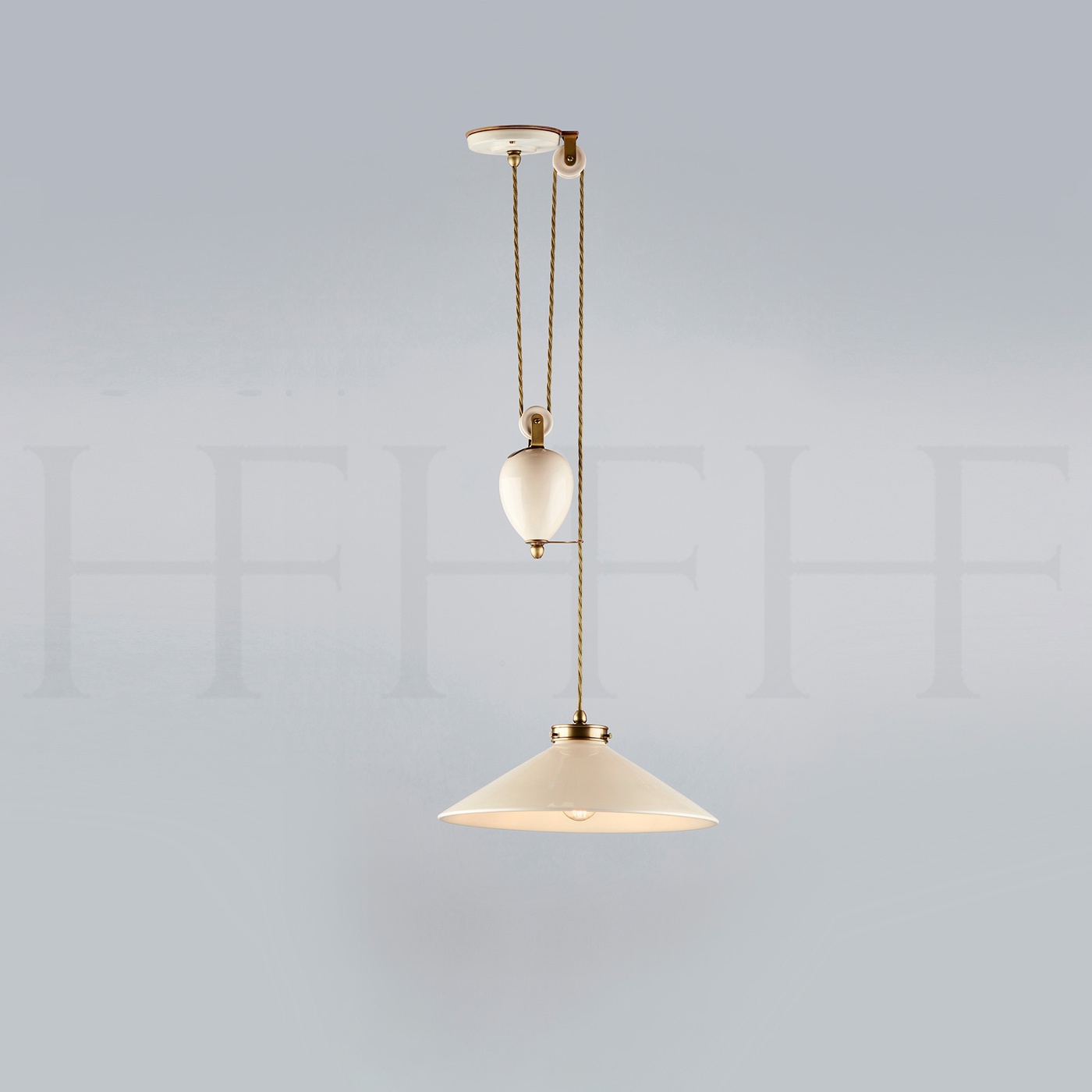
Credit: www.hectorfinch.com
Quick Fixes For Loose Or Falling Lights
Pendant lights can fall or hang loose for several reasons. Fixing them fast keeps your space safe and bright. Small problems often cause these issues. You can solve them with simple steps. These quick fixes help secure your pendant light firmly to the ceiling.
Tightening Mounting Screws
Loose screws often cause pendant lights to fall. Check all mounting screws on the fixture. Use a screwdriver to tighten them gently. Avoid over-tightening, which can damage the fixture. Ensure each screw is secure and snug. This simple step often stops the light from wobbling.
Securing The Ceiling Box
The ceiling box holds the pendant light. A weak or loose box can cause falling lights. Inspect the box for cracks or looseness. Tighten screws that attach the box to the ceiling joist. If the box is damaged, replace it with a sturdy one. A firm ceiling box keeps the fixture stable and safe.
Replacing Damaged Components
Worn or broken parts weaken the pendant light’s hold. Look for damaged hooks, chains, or wires. Replace any parts that look bent or cracked. Use parts made for your specific light model. New components restore strength and prevent future falls. Always turn off power before replacing parts.
Rebalancing The Fixture Weight
Uneven weight can cause the pendant to tilt or fall. Check if the light hangs straight. Adjust chains or rods to balance the weight evenly. Remove any added decorations that cause imbalance. A well-balanced fixture stays in place and looks better. Proper balance protects your light and ceiling.
When To Call A Professional
Pendant lights can fall for many reasons. Sometimes, the cause is simple and easy to fix. Other times, the issue is more serious. Knowing when to call a professional helps keep your home safe and your light working well.
Complex Electrical Issues
Electrical problems can be dangerous. Faulty wiring or poor connections may cause a pendant light to fall. A professional electrician can find hidden issues. They know how to fix wiring safely. Avoid handling complex electrical work on your own.
Structural Ceiling Problems
A weak ceiling may not hold a pendant light well. Loose beams or damaged drywall can cause the fixture to fall. Professionals can inspect the ceiling structure. They will secure the light properly or suggest repairs. Do not ignore signs of ceiling damage.
Ensuring Code Compliance
Electrical and building codes protect your home and family. A professional ensures your pendant light meets these rules. Proper installation avoids safety risks and legal problems. Certified experts have the right tools and knowledge. Trust them to follow all local codes and standards.
Preventing Future Pendant Light Falls
Preventing future pendant light falls is important for safety and to protect your home. Regular checks and proper installation keep your lights secure. Small efforts now save big problems later.
Regular Maintenance Checks
Check your pendant lights every few months. Look for loose screws, worn wires, or damaged parts. Tighten any loose fittings carefully. Replace damaged components quickly to avoid accidents. Regular checks help catch problems early.
Using Appropriate Fixtures
Choose fixtures made for your pendant light’s weight and size. Heavy lights need strong, supportive fixtures. Using the right fixture prevents stress on the ceiling and wiring. This reduces the chance of the light falling down.
Following Installation Guidelines
Always follow the manufacturer’s installation instructions. Use the correct tools and materials. Avoid shortcuts or guessing during installation. Proper mounting and wiring ensure the pendant light stays secure. If unsure, hire a professional electrician.
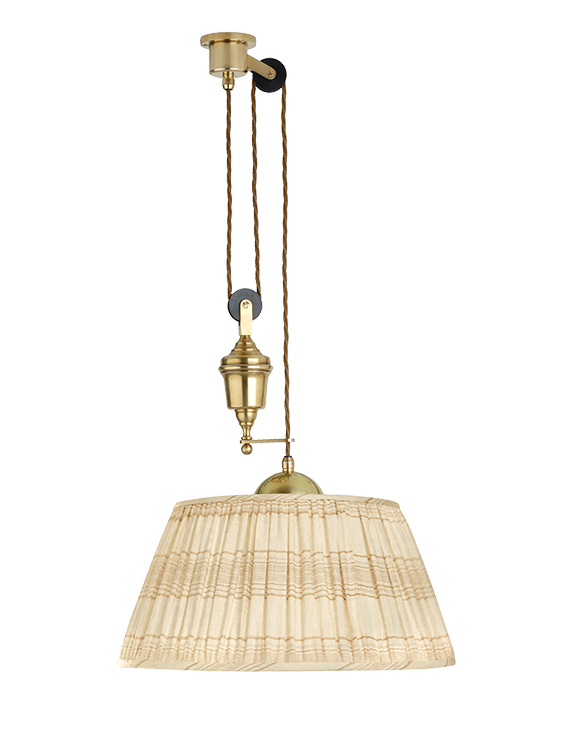
Credit: www.soane.co.uk
Frequently Asked Questions
Why Does My Pendant Light Keep Falling Down?
A pendant light may fall due to loose mounting screws, weak ceiling anchors, or improper installation. Regularly check the fixture’s stability and secure all components tightly to prevent accidents.
Can Poor Wiring Cause A Pendant Light To Fall?
Yes, poor wiring can lead to loose connections, which might weaken the fixture’s support. Ensure that wiring is done by a professional to maintain safety and stability.
How Does Ceiling Type Affect Pendant Light Stability?
Different ceilings require specific anchors for secure mounting. Drywall alone can’t hold heavy pendants; use appropriate anchors or supports for stability and to avoid falls.
What Weight Limits Should I Consider For Pendant Lights?
Check the fixture’s weight rating and ceiling support capacity. Exceeding weight limits can cause mounting failure and falling hazards. Always use fixtures suitable for your ceiling type.
Conclusion
Pendant lights can fall due to loose screws or weak fixtures. Worn wires or poor installation also cause drops. Regular checks keep your lighting safe and steady. Fix problems early to avoid damage or injury. A secure pendant light brightens your space without worry.
Stay alert and maintain your lights often. Safety and style go hand in hand.