Have you ever wondered why Himalayan salt lamps are suddenly everywhere? You might have seen their warm, pink glow lighting up homes, offices, and even yoga studios.
But what’s the real story behind these glowing rocks? Are they just pretty decorations, or do they offer real benefits for your health and mood? You’ll discover the surprising facts, common myths, and little-known secrets about Himalayan salt lamps. Get ready to see these lamps in a whole new light—and find out if they deserve a spot in your space.

Credit: www.earthinspiredgifts.com.au
Origins Of Himalayan Salt Lamps
Himalayan salt lamps have a unique charm and history. Their origins trace back to ancient times. These lamps come from the heart of the Himalayan mountains. They hold stories of nature and tradition. Understanding their past helps appreciate their value today.
Mining And Sourcing
The salt used in these lamps comes from deep inside the Himalayan mountains. Miners carefully extract large salt blocks by hand. This salt is millions of years old. It formed from ancient seas that dried up. The salt is pure and rich in minerals. After mining, the salt blocks get shaped into lamps.
Traditional Uses
For centuries, local people used Himalayan salt for more than just food. They valued its healing properties. Salt was used in natural remedies and spiritual rituals. Lamps made from this salt were believed to cleanse the air. They also brought calm and peace to homes. These old uses inspire the lamps’ popularity today.

Credit: deepgreenpermaculture.com
How Himalayan Salt Lamps Work
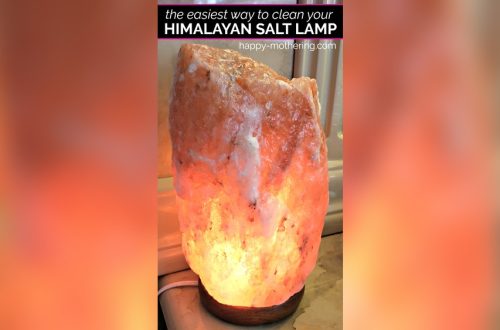
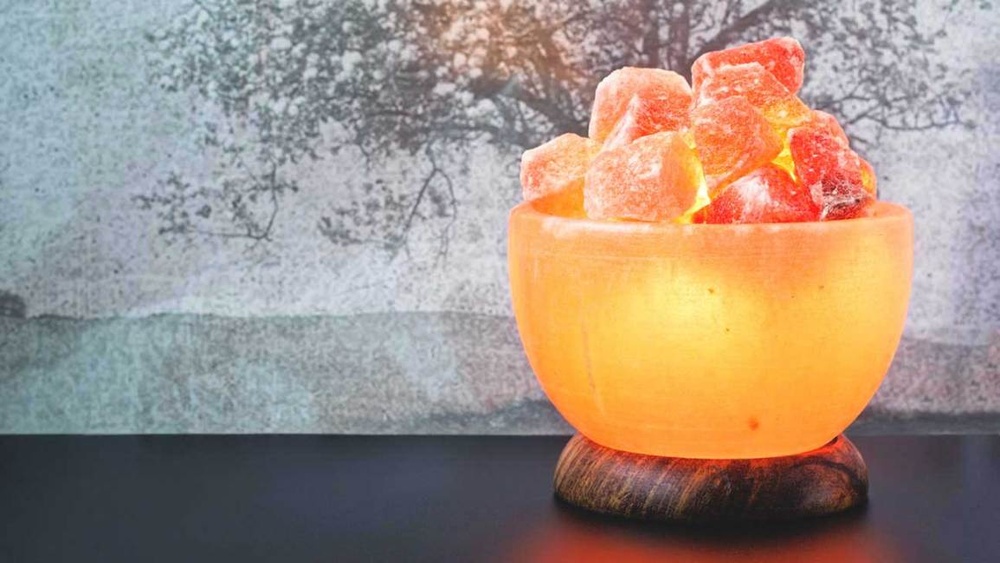
Himalayan salt lamps are made from large chunks of pink salt. A small light bulb sits inside each lamp. When the lamp is turned on, the bulb heats the salt. This heat causes the salt to release a warm, soft glow.
People often ask how these lamps work beyond just giving light. Many believe the lamps have special effects on air and health. Let’s explore two main ideas behind how these lamps work.
Light And Heat Effects
The lamp’s bulb creates heat that warms the salt. This warm salt shines with a gentle orange-pink light. The light is soft and calming. Many use it to create a cozy room mood. The heat also helps the salt to dry out small amounts of moisture in the air. This drying effect is very mild but can make the air feel less damp.
Ionization Claims
Some say the salt lamp releases negative ions. Negative ions can improve air quality by reducing dust and allergens. These ions come from the salt crystals as they heat up. However, the amount of ions released by the lamp is very small. Scientists say the lamp’s ionization effect is too weak to change air quality much. Still, many enjoy the lamp for its soft light and calming heat.
Health Benefits: Myths Vs Facts
Himalayan salt lamps have grown popular for their supposed health benefits. Many claims surround these lamps, but not all are true. Separating myths from facts helps understand what these lamps really do for health.
Air Purification
Some say salt lamps clean the air by releasing negative ions. Negative ions can reduce dust and pollen in the air. Yet, research shows salt lamps produce very few ions. Their small size limits any real air purification effect. True air purifiers use fans and filters to clean air effectively.
Mood And Sleep Improvement
Warm light from salt lamps can create a calm atmosphere. Soft orange glow may help some people feel relaxed. This relaxed mood might improve sleep quality. Still, the lamp itself does not treat sleep disorders or anxiety. Light therapy with specific devices works better for these issues.
Allergy And Asthma Relief
Many users report fewer allergy or asthma symptoms near salt lamps. Salt can reduce bacteria and mold in some environments. But salt lamps do not change indoor air enough to ease serious allergies or asthma. Proper medical treatment remains necessary for these conditions.
Scientific Research Insights
Himalayan salt lamps have gained attention for their supposed health benefits. Scientific research has explored these claims. The focus is on how these lamps affect air quality and the environment around them.
Studies On Negative Ions
Negative ions are particles thought to improve mood and health. Some believe salt lamps release these ions. Research shows natural sources like waterfalls produce many negative ions.
Salt lamps produce very few negative ions. The amount is much lower than natural sources. Scientific tests found no strong evidence that salt lamps significantly increase negative ion levels.
Evidence On Air Quality Impact
Salt lamps are often claimed to clean the air. They are said to trap dust and allergens. Scientific studies tested this effect in controlled settings.
The results show minimal impact on air quality. Salt lamps do not remove harmful particles effectively. Air purifiers and ventilation work better for improving air quality.
Choosing Quality Salt Lamps
Choosing quality salt lamps is very important for real benefits. Not all salt lamps are made the same. Some are fake and do not work well. Picking a good lamp ensures safety, looks, and health effects. This guide helps you find the best one for your home or office.
Authentic Vs Fake Products
Real Himalayan salt lamps come from the Khewra mines in Pakistan. They have a warm orange or pink color. Fake lamps may be white, bright, or too shiny. Check for rough and natural surfaces. Genuine lamps feel heavy and solid. Fake ones often look light and hollow. Avoid lamps with plastic parts or odd smells. Authentic lamps also have a small light bulb inside that glows softly.
Size And Placement Tips
Choose a lamp size that fits your room. Small lamps work well for desks or bedrooms. Large lamps suit living rooms or bigger spaces. Place your salt lamp where you spend time. Near your workspace or bedside is ideal. Keep it dry and away from water. The lamp should stay on for a few hours daily. This helps release negative ions and creates a calm atmosphere.
Maintenance And Safety Tips
Himalayan salt lamps add warmth and charm to any room. To keep them shining and safe, regular care is important. Proper maintenance extends the lamp’s life and prevents issues.
Salt lamps are natural and fragile. They need gentle cleaning and careful handling. Also, electrical parts require attention to avoid hazards.
Cleaning Methods
Use a soft, dry cloth to wipe the lamp’s surface. Avoid water or wet cloths as salt dissolves easily. Light dusting keeps the lamp looking fresh. For stubborn dirt, use a slightly damp cloth, then dry immediately.
Handling Moisture
Salt lamps attract moisture from the air. Place the lamp on a dry surface to avoid water damage. Turn the lamp on regularly to keep it warm and dry. Avoid placing it in damp rooms like bathrooms.
Electrical Safety
Check the lamp’s cord and bulb before use. Replace damaged cords immediately. Use bulbs with the correct wattage for your lamp. Always unplug the lamp before cleaning or moving it.
Alternatives To Himalayan Salt Lamps
Himalayan salt lamps offer a soft glow and a calming feel. Some people like them for their look and mood. Others want similar effects but without salt lamps. Several alternatives bring light and air benefits to your space. These options can fit different needs and styles.
Other Natural Light Sources
Natural light sources create a warm and cozy mood. Beeswax candles burn clean and give a soft yellow glow. They last longer than regular candles and smell nice. Another choice is a wood or bamboo lamp. These lamps give off gentle light and look natural. Soft LED lights with warm tones mimic sunset colors. They are safe and energy-saving. These options add warmth without salt crystals.
Air Purifiers And Humidifiers
Salt lamps claim to clean air, but air purifiers do this better. Air purifiers remove dust, pollen, and smoke from the air. They help people breathe easier and reduce allergies. Humidifiers add moisture to dry rooms. This helps skin and breathing in winter or dry climates. Some devices combine air cleaning and humidifying features. They improve air quality and comfort clearly and quickly.

Credit: himalayantradingco.com
Frequently Asked Questions
What Are Himalayan Salt Lamps Made Of?
Himalayan salt lamps are crafted from pink Himalayan salt crystals. They are mined primarily in Pakistan’s Khewra Salt Mine. These lamps are naturally rich in minerals like sodium chloride. Their unique color and texture come from trace minerals. They serve both decorative and potential wellness purposes.
How Do Himalayan Salt Lamps Benefit Health?
Himalayan salt lamps may improve air quality by releasing negative ions. These ions can reduce allergens and pollutants. Many users report better mood and sleep quality. However, scientific evidence supporting these benefits is limited. They are best used as complementary wellness tools.
Do Himalayan Salt Lamps Emit Harmful Radiation?
No, Himalayan salt lamps do not emit harmful radiation. They use low-wattage bulbs that produce soft, warm light. The salt crystal acts as a natural diffuser. The lamp’s glow is safe and calming for indoor environments. It poses no health risks related to radiation.
How To Maintain And Clean A Salt Lamp?
To maintain a salt lamp, keep it dry and dust-free. Use a damp cloth for gentle cleaning. Avoid submerging it in water or using harsh chemicals. Keep the lamp on to prevent moisture absorption. Proper care extends the lamp’s lifespan and appearance.
Conclusion
Himalayan salt lamps bring a warm, soft glow to any room. They may help improve air quality and mood for some people. Many enjoy their calming light and natural look. While science is still unsure about all benefits, these lamps add a cozy touch.
They fit well in homes or offices. Choosing one is easy and affordable. Try one to see if it brightens your space and day. Simple, natural, and soothing—Himalayan salt lamps remain popular for good reasons.