Have you ever plugged in your string of lights, only to find the entire string dark and lifeless? It’s frustrating when just one small problem causes all your beautiful lights to go out.
You might wonder why this happens and how to fix it quickly. Understanding the common reasons behind this issue can save you time and stress. Keep reading, and you’ll discover simple tips to get your lights shining bright again—without the hassle.

Credit: www.wikihow.com
How String Lights Work
String lights are common in homes, parties, and holidays. They create a warm, inviting glow. Understanding how they work helps explain why the entire string sometimes goes dark. The key lies in their wiring and bulb types.
Basic Wiring Setup
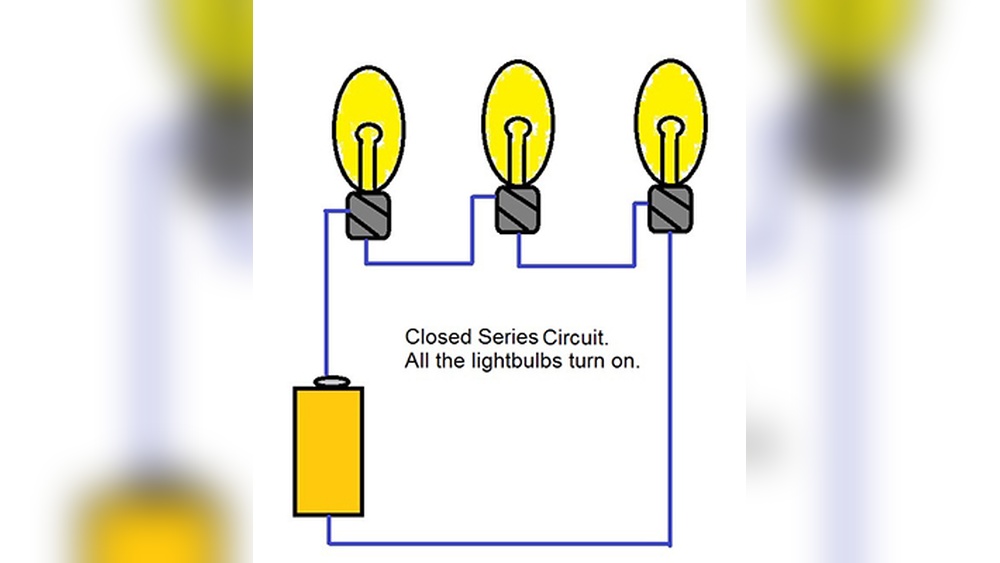
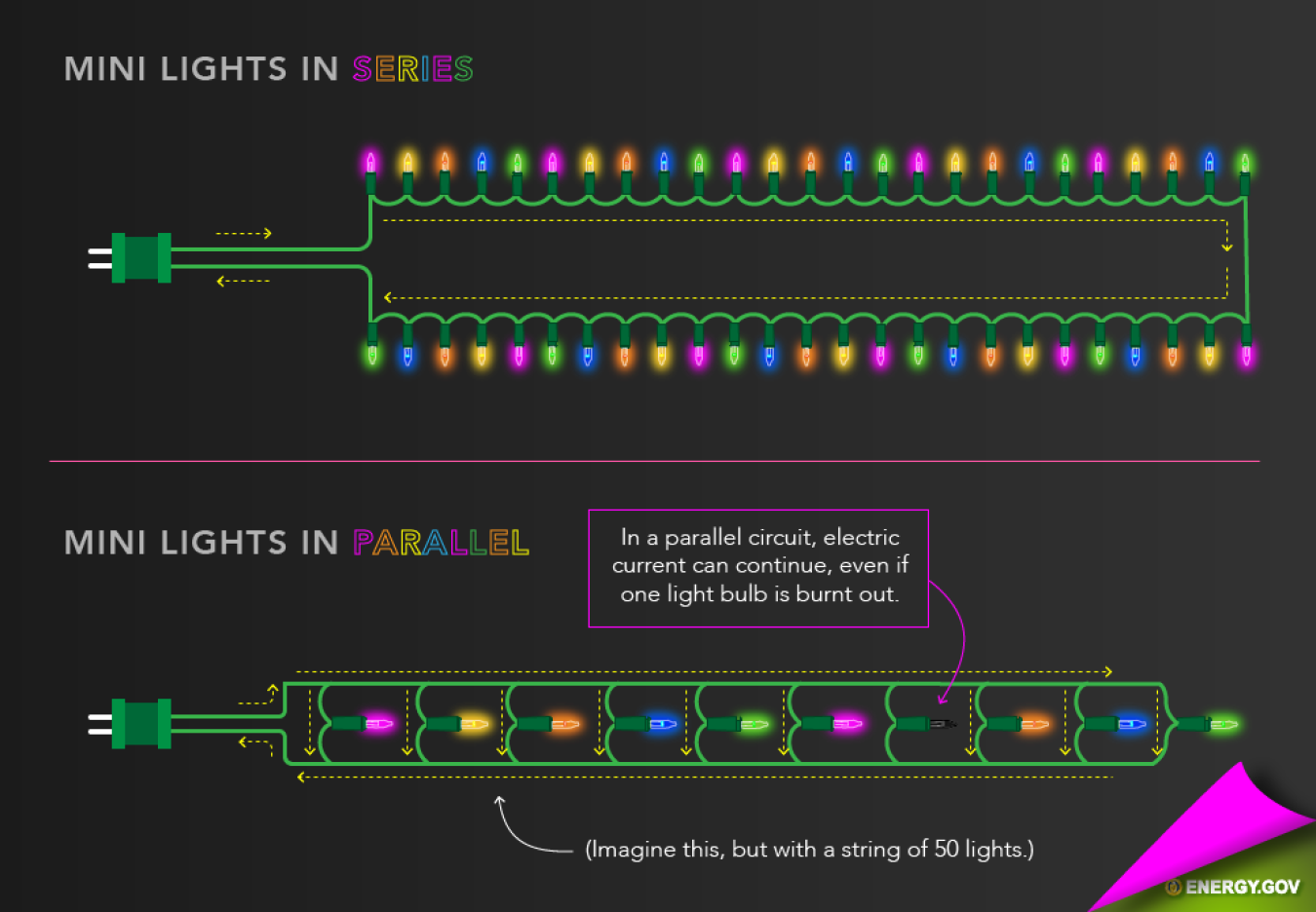
Most string lights use a series wiring setup. Each bulb connects one after another in a single path. Electricity flows from the plug through every bulb in order. If one bulb burns out or breaks, the circuit breaks. This stops electricity from reaching the rest. That is why the whole string goes out.
Some newer string lights have parallel wiring. This means each bulb has its own path to power. One bulb burning out does not affect others. But series wiring remains common because it is cheaper to make.
Types Of Bulbs Used
Two main types of bulbs appear in string lights. Incandescent bulbs have a tiny wire inside that glows when heated. These bulbs are fragile and burn out easily. When they fail, the circuit can break in series wiring.
LED bulbs use light-emitting diodes instead of wires. They last longer and use less power. Many LED string lights include a special design to keep the circuit closed even if one bulb fails. This helps prevent the entire string from going dark.
Common Causes For Entire String Failure
String lights bring charm to any space, but seeing the whole string go out is frustrating. Understanding common causes helps fix the issue fast. Many problems cause the entire string to fail, not just one bulb or section.
Most issues are easy to spot and fix. This section explains the typical reasons your string lights stop working. Knowing these causes saves time and effort during troubleshooting.
Blown Fuse Issues
Most string lights have small fuses in the plug. These fuses protect the lights from power surges. A blown fuse cuts power to the entire string. It is a common reason lights stop working all at once. Check the fuse by opening the plug cover. Replace it with a fuse of the same rating to restore power.
Broken Or Burnt Out Bulbs
Many lights are wired in series, so one broken bulb affects all. A burnt-out bulb breaks the circuit, causing all lights to go out. Inspect bulbs carefully. Replace any that look dark or broken. Using replacement bulbs designed for your string prevents damage.
Loose Connections
Loose wires or plugs can cause the entire string to lose power. Movement or weather can loosen connections. Check plugs, sockets, and wires along the string. Firmly reconnect any loose parts. Tight connections ensure electricity flows properly through the string.
Troubleshooting Steps
When the whole string of lights goes out, do not panic. Follow simple steps to find the problem quickly. These steps help you fix your lights without extra tools or skills. Start by checking the most common issues first. Each step focuses on a key part of the string.
Inspecting The Fuse
Locate the fuse box on the plug end of the light string. Open the fuse compartment carefully. Check if the fuse looks burnt or broken. Replace it with a new fuse of the same type if needed. A blown fuse often causes the entire string to stop working.
Checking Each Bulb
Look closely at every bulb for cracks or damage. Loose bulbs can break the circuit. Push each bulb gently into its socket to ensure a tight fit. Replace any burnt-out bulbs with the correct size and voltage. This step often restores power to the whole string.
Testing The Socket And Wiring
Examine the wiring along the string for cuts or frays. Damaged wires stop electricity from flowing. Use a tester or a different light string to check the socket’s power. Replace or repair any broken wires or faulty sockets. Proper wiring is essential for the lights to work well.
Preventing Complete Outages
Preventing complete outages of string lights helps keep your decorations bright. It saves time and avoids frustration during festive seasons. Taking simple steps can reduce the chance of the whole string going dark.
Using Quality Lights
Choose lights made with good materials. High-quality lights last longer and handle wear better. Cheaper lights often have weak wiring that breaks easily. Invest in brands known for safety and durability. Quality bulbs resist burning out quickly. This lowers the risk of all lights failing at once.
Regular Maintenance Tips
Check your lights before use every year. Look for broken bulbs or damaged wires. Replace any faulty bulbs immediately. Clean the sockets to remove dirt or moisture. Test the string in small sections to find problems fast. Regular checks catch issues early and keep the string working well.
Proper Storage Practices
Store lights in a dry, cool place after use. Avoid twisting or tangling the cords. Wrap them loosely around a spool or cardboard. Keep them away from sharp objects or heavy items. Proper storage prevents wire damage and bulb breakage. This helps your lights stay ready for the next use.
When To Replace Your String Lights
String lights add charm and brightness to any space. They make holidays and events special. Over time, string lights wear out. Knowing when to replace them keeps your display safe and shining. Watch closely for signs that your lights need replacing.
Signs Of Wear And Tear
Look for bulbs that flicker or do not light at all. Check wires for cracks or frays. Discoloration on bulbs or sockets shows damage. Loose connections can cause the whole string to go out. If many bulbs fail, it is time to replace the string. Old lights may not work well and waste electricity.
Safety Considerations
Damaged string lights can cause electrical shorts or fires. Worn insulation on wires raises safety risks. Moisture inside bulbs or sockets also creates hazards. Replace lights that smell burnt or spark. Use new lights with proper safety ratings. Safe lighting protects your home and family.
Credit: www.energy.gov

Credit: www.canr.msu.edu
Frequently Asked Questions
Why Does One Bulb Make All Lights Go Out?
A single faulty bulb can break the circuit, stopping electricity flow. This causes the entire string to lose power and go dark.
How To Fix A Whole String Of Lights Outage?
Check each bulb for damage or looseness. Replace burnt-out bulbs and ensure secure connections to restore the light string’s function.
Can Wiring Issues Cause All Lights To Fail?
Yes, damaged or frayed wiring interrupts the electrical circuit, causing the entire string to go out. Inspect and repair wiring for safety.
Do Blown Fuses Affect String Lights?
Blown fuses cut off power to the string lights. Replace any blown fuse to restore electricity and illuminate the entire string.
Conclusion
A whole string of lights going out can be frustrating. Often, one bad bulb or a loose connection causes the problem. Checking each bulb carefully helps find the issue. Replacing the faulty bulb usually fixes the string. Keeping lights in good shape prevents future outages.
Simple steps save time and avoid stress during holidays. Understanding these common causes keeps your decorations bright and cheerful. Don’t let a small problem spoil your festive mood. Easy fixes bring back the sparkle quickly.