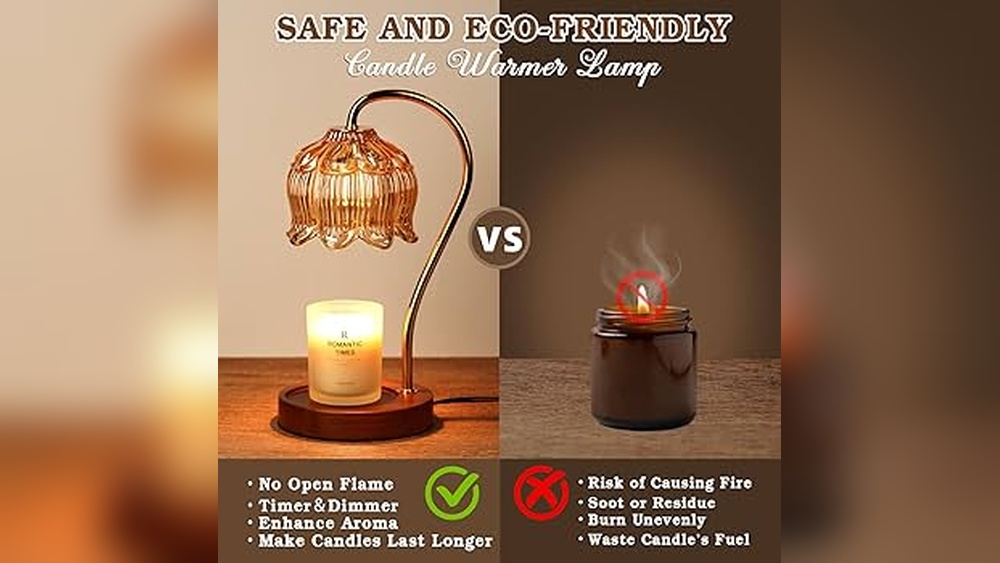
Have you ever wondered how candle lamps light up a room without electricity? If you’re curious about how these simple yet charming lamps work, you’re in the right place.
Understanding the magic behind candle lamps can change the way you see everyday lighting. By the end of this article, you’ll know exactly how they create warmth and glow, and you might even want to try using one yourself. Let’s dive into the fascinating world of candle lamps and discover their secrets together.

Credit: www.amazon.com
Basic Components
Candle lamps have a simple yet clever design. Their function depends on a few key parts. Understanding these parts helps explain how candle lamps create light. Each component plays an important role in the lamp’s operation.
Candle Wax
Candle wax is the fuel for the lamp. It melts when heated by the flame. The liquid wax then travels up the wick. This process keeps the flame burning steadily. Common wax types include paraffin, beeswax, and soy.
Wick Function
The wick draws melted wax upward. It works like a tiny pump. The wick’s fibers soak up the liquid wax. This wax vaporizes and fuels the flame. A well-made wick ensures a bright, consistent light.
Lamp Structure
The lamp holds the wax and wick in place. It protects the flame from wind and drafts. Often, it has a glass cover or chimney. This design improves safety and light quality. The structure also helps control air flow to the flame.

Credit: www.tasteofhome.com
Ignition Process
The ignition process is the first step in making a candle lamp glow. It starts with lighting the wick, which is the small string in the candle. This step is important because it sets the flame in motion. The heat from the flame melts the wax, allowing it to fuel the fire.
Once the wick is lit, the flame grows stronger. This happens because the melted wax turns into vapor. The vapor mixes with oxygen in the air. This mix keeps the flame burning steadily.
Lighting The Wick
To light the wick, use a match or lighter. Hold the flame close to the wick’s tip. The wick will catch fire quickly. The wick is made to burn slowly and safely.
It takes only a few seconds for the wick to start burning. Once lit, the wick’s heat melts the wax nearby. This melted wax feeds the flame with fuel.
Initial Combustion
After lighting, the wick’s flame causes wax to melt. The liquid wax travels up the wick by capillary action. The heat turns this wax into vapor.
Wax vapor reacts with oxygen in the air. This reaction produces the steady flame you see. The flame’s heat keeps the process going until the candle is out or the wax is gone.
Flame Formation
The flame on a candle lamp is a small, bright light. It starts with the candle’s wax and the wick inside it. This flame gives warmth and light. Understanding how this flame forms helps us see how candle lamps work. The process has three main steps: wax melting, vaporization, and the combustion reaction.
Wax Melting
The candle wax is solid at room temperature. When you light the wick, heat rises and melts the wax near the flame. The melted wax turns into a liquid. This liquid wax moves up the wick by a process called capillary action. The melted wax fuels the flame by feeding it with fuel.
Vaporization
As the liquid wax travels up the wick, it gets closer to the flame’s heat. The heat changes the liquid wax into a gas. This gas is called wax vapor. Only in this gas form can the wax burn. Vaporization is key because solid or liquid wax cannot catch fire.
Combustion Reaction
The wax vapor mixes with oxygen in the air. When the vapor and oxygen meet the heat, they start a chemical reaction. This reaction is called combustion. It produces light and heat. The flame keeps burning as long as there is wax vapor and oxygen. This is how a candle flame stays alive.
Light Production
Candle lamps create light through a simple yet fascinating process. They burn fuel, usually wax, to produce heat and light. This process happens in a few key steps that work together smoothly. Understanding how light is made helps appreciate the charm of candle lamps.
Heat And Glow
The candle’s wick draws up melted wax. The wax heats up and turns into vapor. This vapor mixes with air and burns. The burning vapor creates heat and a warm glow. The light you see comes from this glowing vapor. The heat also keeps melting more wax.
Role Of Oxygen
Oxygen is vital for the candle flame. It feeds the burning vapor with needed air. Without enough oxygen, the flame will flicker or go out. Oxygen keeps the flame bright and steady. It helps the wax vapor burn completely. This process releases light and a small amount of heat.
Steady Flame Maintenance
The wick’s length controls the flame size. A good wick pulls wax evenly. This keeps the flame steady and strong. If the wick is too long, it flickers or smokes. Too short, the flame may die quickly. Proper airflow also helps the flame stay steady. This balance makes the candle lamp work well.
Factors Affecting Performance
Candle lamps depend on several key factors that affect their burning performance. These factors influence how well the candle burns and how much light it gives. Understanding these elements helps to choose or make a better candle lamp.
Each part of the candle, including the wick and wax, plays a role. The environment also changes how the candle works. Let’s explore these factors more closely.
Wick Size And Material
The wick controls the flame size. A thick wick makes a bigger flame but uses more wax. A thin wick burns slower and gives less light. The wick material matters too. Cotton wicks burn clean and steady. Some wicks have metal cores to keep them straight. The right wick size and type keep the candle burning well.
Wax Type
Wax is the fuel for the candle flame. Different waxes melt and burn differently. Paraffin wax is common and burns fast. Soy wax burns slower and is cleaner. Beeswax lasts longer and has a natural scent. The wax type affects burn time and light quality. Good wax helps the candle burn evenly.
Environmental Influences
Air movement can change how a candle burns. Wind or drafts make the flame flicker or go out. Temperature also affects wax melting. Cold air makes wax hard to melt. Warm air helps wax melt smoothly. Humidity can affect the wick’s ability to draw wax. The right environment keeps the candle burning steady.
Safety And Efficiency Tips
Using candle lamps safely and efficiently keeps your home secure and your lamp working well. Small steps make a big difference. Following simple tips can prevent accidents and save candle wax.
Proper Usage
Place candle lamps on flat, stable surfaces. Keep them away from curtains, papers, and other flammable items. Always use the right size candle for your lamp. Light the wick carefully and never leave a burning candle unattended. Extinguish the flame before moving the lamp.
Preventing Hazards
Trim the candle wick to about 1/4 inch before lighting. This reduces smoke and keeps the flame steady. Avoid drafts that may cause flickering or uneven burning. Keep candle lamps out of reach of children and pets. Use a glass cover if your lamp has one to protect the flame.
Maximizing Burn Time
Burn candles for at least one hour the first time to create a full melt pool. This helps the candle burn evenly. Avoid burning candles for more than four hours at once. Store candles in a cool, dry place to prevent melting or warping. Use a snuffer to put out the flame without splashing wax.

Credit: malibuapothecary.com
Frequently Asked Questions
How Do Candle Lamps Produce Light?
Candle lamps produce light by burning a candle wick soaked in wax. The flame heats the wax, creating light and warmth. This simple process converts chemical energy in wax to visible light, making candle lamps effective and charming lighting sources.
What Materials Are Used In Candle Lamps?
Candle lamps typically use wax, a cotton wick, and glass or metal holders. Wax fuels the flame, while the wick directs combustion. Glass or metal holders protect the flame and enhance safety. These materials combine to create a functional and decorative lighting tool.
Are Candle Lamps Safe For Indoor Use?
Yes, candle lamps are generally safe indoors if used properly. Always place them on stable surfaces away from flammable items. Never leave them unattended. Proper ventilation helps avoid smoke buildup. Following safety tips ensures candle lamps create cozy and secure ambiance.
How Long Do Candle Lamps Burn?
The burn time of candle lamps depends on candle size and wax type. Small candles burn around 2-4 hours. Larger candles can last 8-12 hours or more. Choosing the right candle size ensures desired illumination duration and efficient use.
Conclusion
Candle lamps create light by burning wax and wick together. The flame heats the wax, turning it into liquid fuel. This fuel feeds the flame, keeping it steady and bright. They use no electricity, making them simple and useful. Candle lamps offer soft, warm light that feels cozy.
Understanding how they work helps appreciate their charm. A small flame can light up a dark space nicely. Simple design, effective function. Perfect for calm, quiet moments.