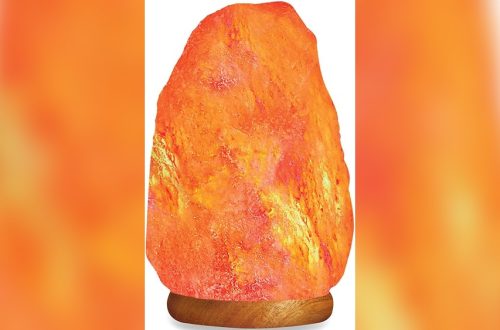
Have you noticed your Himalayan salt lamp looking wetter or softer than usual? It might even seem like it’s melting right before your eyes.
This can be confusing and worrying, especially if you love the warm glow and calming vibes your lamp brings. But don’t worry—you’re not alone, and there’s a simple explanation behind this strange change. Keep reading to discover why your Himalayan salt lamp is melting and what you can do to keep it glowing beautifully for a long time.

Credit: himalayantradingco.com
Causes Of Melting
Himalayan salt lamps are popular for their warm glow and health benefits. Sometimes, these lamps start melting or sweating. Understanding the causes helps to keep your lamp in good shape. Several factors can cause this melting effect. Knowing them can prevent damage and extend your lamp’s life.
Humidity Effects
Salt naturally attracts moisture from the air. High humidity makes the lamp absorb water. This moisture causes the salt to dissolve slowly. This process looks like the lamp is melting. Rooms with damp air or poor ventilation increase this risk. Keep your lamp in dry places to reduce humidity effects.
Heat Source Issues
Heat inside the lamp keeps the salt dry. If the bulb is too weak, it won’t warm the salt enough. This leads to moisture buildup on the surface. Using the wrong wattage bulb can also cause uneven heating. Proper heat helps the lamp stay dry and prevents melting.
Quality Of Salt
Not all salt lamps are made from pure Himalayan salt. Low-quality salt contains impurities and moisture. These impurities can cause faster melting or sweating. Authentic salt is denser and less likely to melt quickly. Check the salt quality before buying a lamp.
Environmental Factors
Room temperature and airflow affect the lamp’s condition. Cold rooms make the salt attract more water. Poor air circulation traps moisture around the lamp. Placing the lamp near air conditioners or heaters can cause temperature changes. A stable environment helps maintain the lamp’s solid form.
Credit: www.reddit.com
Signs Of Melting
Noticing signs of melting in your Himalayan salt lamp is important to keep it safe and working well. Melting can happen due to moisture or heat. It can damage the lamp and make it less effective. Watch for these common signs to know if your lamp is melting.
Surface Wetness
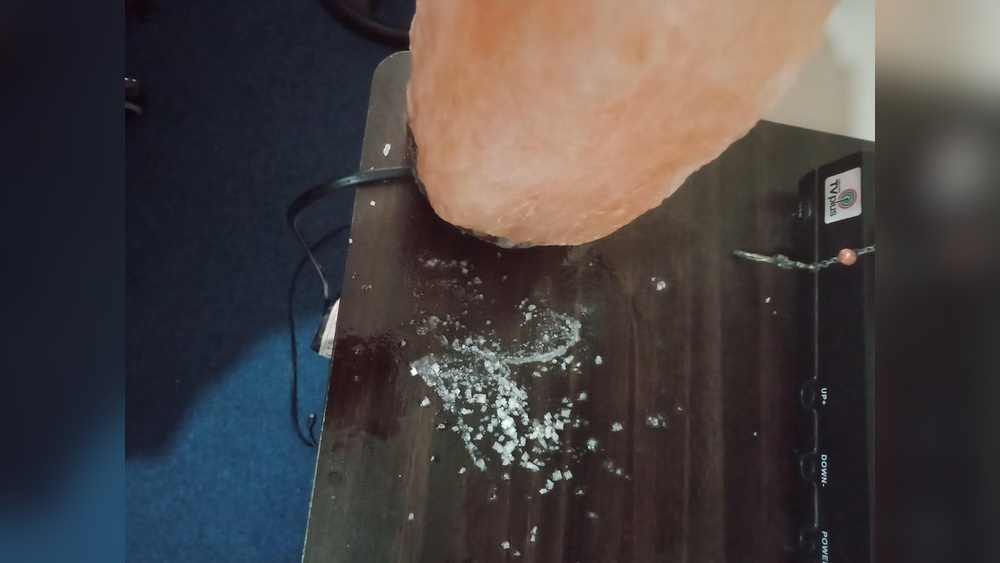
The lamp’s surface feels wet or sticky. Water droplets may appear on the salt. This happens when the salt absorbs moisture from the air. A wet surface is a clear sign the lamp is melting.
Salt Erosion
Salt erosion looks like small pieces of salt falling off. The lamp may look rough or crumbly. Salt erosion means the lamp is losing its solid form. This happens when the salt dissolves due to moisture or heat.
Light Flickering
The lamp’s light flickers or dims often. Flickering can mean the bulb or wiring is affected by moisture. It might also signal the salt base is melting. A steady light is normal; flickering is a warning.
Preventing Melting
Preventing your Himalayan salt lamp from melting is key to keeping it beautiful and long-lasting. Salt lamps can absorb moisture from the air, which causes them to sweat or melt. Taking simple steps helps protect your lamp and keeps it dry.
Control Humidity
High humidity causes salt lamps to absorb water. Keep your lamp in a dry room. Use a dehumidifier if your home feels damp. Avoid placing the lamp in bathrooms or kitchens. These areas have more moisture in the air.
Choose The Right Bulb
Use a low-watt bulb designed for salt lamps. The right bulb heats the lamp gently. It helps evaporate moisture without overheating the salt. Avoid bulbs that are too strong or produce too much heat.
Proper Placement
Place your lamp on a sturdy, dry surface. Avoid spots near windows or air conditioners. Direct sunlight or cold drafts can cause the lamp to sweat. Give your lamp space to breathe and stay dry.
Use Protective Coatings
Applying a sealant can protect the lamp from moisture. Use a clear, non-toxic coating made for salt lamps. This layer helps reduce water absorption. It keeps your lamp looking fresh longer.
Easy Fixes
Easy fixes can stop your Himalayan salt lamp from melting quickly. These simple steps help protect your lamp and keep it working well. Small changes make a big difference in how long your lamp lasts.
Drying The Lamp
Salt lamps absorb moisture from the air. This moisture can cause melting. Turn off the lamp and unplug it. Use a dry cloth to wipe the surface gently. Let the lamp sit in a dry place for a few hours. This helps remove extra moisture inside the salt crystal.
Replacing The Bulb
A weak or wrong bulb can cause melting problems. Choose the right wattage bulb for your lamp size. Turn off and unplug the lamp before changing the bulb. Replace the old bulb with a new one that fits well. A proper bulb keeps the lamp warm without melting it.
Sealing Cracks
Cracks let moisture inside and speed up melting. Use a clear sealant made for salt lamps. Apply it carefully on small cracks. Allow the sealant to dry fully before using the lamp again. This prevents water from entering and protects the lamp’s surface.
Regular Maintenance Tips
Keep your lamp dry and clean regularly. Avoid placing it in humid rooms like bathrooms. Turn off the lamp when not in use for long times. Dust the lamp with a soft cloth weekly. These habits keep your salt lamp healthy and strong.
When To Replace Your Lamp
Knowing when to replace your Himalayan salt lamp is important. Over time, the lamp may show signs of wear or damage. These signs mean your lamp no longer works well or could be unsafe. Paying attention to these clues helps keep your home safe and your lamp beautiful.
Irreversible Damage
Salt lamps can melt or crack over time. If the salt is soft or crumbles easily, it means damage is severe. Damage like deep cracks or large holes cannot be fixed. At this stage, replacing the lamp is best. Using a broken lamp may reduce its glow and benefits.
Safety Concerns
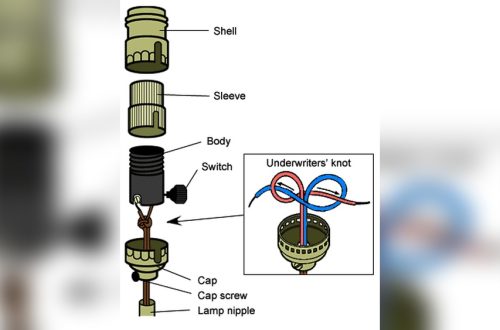
Salt lamps use heat and electricity. If you see exposed wires or a flickering light, stop using it. Water damage or salt melting near the bulb can cause electrical hazards. Safety matters most. A damaged lamp can cause fires or shocks. Replace the lamp to protect your home and family.
Upgrading Options
Replacing your salt lamp is a chance to upgrade. New lamps come in different shapes and sizes. Some offer stronger light or longer-lasting bulbs. You can pick a lamp that fits your style better. Upgrading also means better quality and safer materials. Choose a lamp that suits your needs and space.

Credit: www.wikihow.com
Frequently Asked Questions
Why Is My Himalayan Salt Lamp Melting?
Your salt lamp melts due to high humidity and moisture exposure. Salt absorbs water from the air, causing it to dissolve and appear wet or melting.
Can Humidity Cause Himalayan Salt Lamp To Melt?
Yes, humidity causes the salt to absorb moisture. This leads to the lamp sweating and eventually melting if exposed to damp conditions.
How To Prevent Himalayan Salt Lamp From Melting?
Keep the lamp in a dry place away from humidity. Use a coaster to catch drips and avoid placing it near water sources.
Is It Normal For Himalayan Salt Lamps To Sweat?
Yes, sweating is normal in humid environments. It indicates the salt is absorbing moisture from the air, which can cause melting over time.
Conclusion
Salt lamps can melt because of heat and moisture. Keep lamps away from damp places. Use low-watt bulbs to avoid extra heat. Wipe off any wetness quickly. These steps help your lamp last longer. Enjoy the warm glow without worry.
Take care, and your lamp stays beautiful. Simple actions make a big difference. Now, you know why salt lamps melt. Keep them dry and cool for best results.