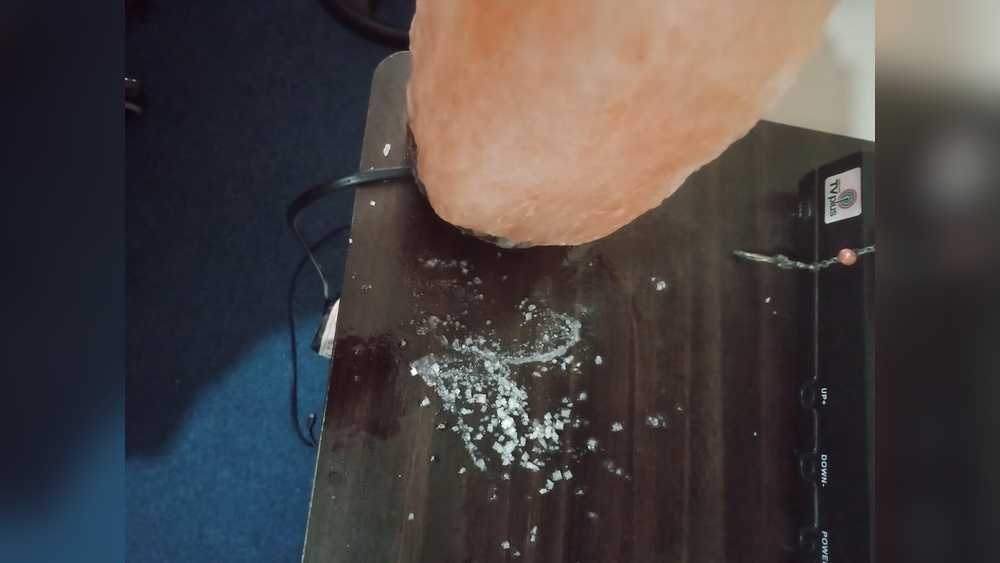
Have you ever noticed your Himalayan salt lamp looking a bit different—maybe even melting? It can be confusing and worrying when something you love starts to change like that.
You might wonder, “Why would my salt lamp melt? Is it broken? Is it safe? ” Understanding the reasons behind this can save you frustration and help you take better care of your lamp. Keep reading to discover the surprising causes and simple solutions that will keep your salt lamp glowing beautifully for years to come.
Credit: www.reddit.com
Basics Of Himalayan Salt Lamps
Himalayan salt lamps are popular decorative items. They offer a warm glow and a calming feel. These lamps come from natural salt crystals mined in the Himalayas. Understanding their basics helps explain why they might melt.
Salt lamps are not like ordinary lamps. Their unique makeup and care needs make them special. Knowing their composition and use can help you keep them safe and lasting.
Composition And Structure
Himalayan salt lamps are made from pink salt crystals. These crystals contain minerals like sodium chloride and trace elements. The salt is carved into shapes, often rough and natural looking. A light bulb sits inside the hollowed part of the salt block. The lamp glows softly when switched on.
Salt crystals attract moisture from the air. This property is called hygroscopy. The salt absorbs water and may drip if the air is humid. The structure is solid but can break down with too much heat or moisture.
Common Uses And Benefits
Many people use salt lamps for decoration and mood lighting. Their warm light creates a cozy and relaxing atmosphere. Some believe salt lamps improve air quality by reducing dust and allergens. Others say the lamps help reduce stress and improve sleep.
Salt lamps fit well in homes, offices, and yoga spaces. They need gentle care to avoid damage. Keeping them dry and clean helps maintain their glow and shape. Understanding their benefits encourages proper use and care.
How Salt Lamps React To Heat
Himalayan salt lamps react differently to heat compared to other lamps. The salt crystal is natural and has unique properties. Heat affects the salt structure and surface. Understanding this helps explain why some lamps seem to melt.
Heat causes the salt to release moisture. This moisture can make the lamp look wet or shiny. Over time, too much heat may change the lamp’s shape or texture. The lamp’s reaction depends on the heat level and duration.
Melting Point Of Salt
Salt has a high melting point, about 1,474°F (800°C). Normal lamp bulbs do not reach this temperature. So, the salt does not actually melt from the heat of the bulb. What happens is the salt absorbs water from the air. Heat makes this water evaporate slowly. The lamp surface may look like it is melting, but it is not true melting.
Heat Sources In Salt Lamps
The main heat source is the light bulb inside the lamp. Most bulbs used are low wattage. They warm the salt gently. Sometimes, using bulbs with too high wattage causes excess heat. This can dry out the salt or cause minor surface changes. External heat sources like sunlight or heaters also affect the lamp. Direct heat speeds up moisture evaporation and surface changes.
Surprising Reasons For Melting
Himalayan salt lamps are beautiful and calming. Sometimes, they start to melt. This can confuse many users. The melting happens for surprising reasons. Understanding these reasons helps you protect your lamp.
Salt lamps are made of natural salt crystals. Heat from the bulb inside can cause changes. If the lamp melts, it means heat or moisture is too high.
Excessive Bulb Wattage
Using a bulb with too high wattage causes extra heat. The salt crystal cannot handle this heat. It starts to soften and melt slowly. Always check the recommended bulb wattage for your lamp.
Continuous Operation
Running the lamp all day heats it continuously. Salt crystals absorb heat and moisture from the air. Constant heat makes the salt weaken and melt. Turn off the lamp after a few hours to avoid melting.
Poor Ventilation
Salt lamps need air flow around them. Poor ventilation traps heat and moisture. This trapped heat softens the salt surface. Place your lamp in a spot with good air circulation.
Humidity And Moisture Effects
Salt attracts moisture from the air. High humidity makes the lamp wet and sticky. Water dissolves salt crystals slowly, causing melting. Use the lamp in dry areas to keep it solid.
Preventing Salt Lamp Melting
Preventing your Himalayan salt lamp from melting keeps it looking great longer. Salt lamps absorb moisture from the air. This moisture can cause the salt to dissolve slowly. Heat from the bulb can speed up this process. Taking care of your lamp stops it from melting.
Choosing The Right Bulb
Use a low-watt bulb designed for salt lamps. A bulb that is too strong creates too much heat. This heat can melt the salt around the bulb. A 15-watt bulb is often the best choice. It warms the lamp gently without damage.
Proper Usage Duration
Do not leave the lamp on all day. Long hours of heat increase melting risk. Turn off the lamp after 8-10 hours of use. This gives the salt time to cool down. Regular breaks protect the lamp’s surface.
Maintaining Ideal Environment
Keep the lamp in a dry room with good airflow. High humidity causes salt to absorb more moisture. Avoid placing the lamp in bathrooms or kitchens. Use a small fan or dehumidifier if needed. This helps stop salt from dissolving.
Signs Your Salt Lamp Is Damaged
Salt lamps add a warm glow to any room. They are also known for their calming effects. But sometimes, a Himalayan salt lamp can show signs of damage. Recognizing these signs early helps keep your home safe. It also lets you know when to replace or repair the lamp.
Visible Melting Or Warping
One clear sign of damage is visible melting or warping. The salt may look wet or shiny in spots. The lamp’s surface might feel soft or sticky. Warping changes the lamp’s shape and can affect its stability. This happens when the lamp gets too hot or absorbs too much moisture.
Unusual Odors Or Smoke
Unusual smells or smoke are serious warning signs. A salty or burning smell means the lamp’s electrical parts may be overheating. Smoke means the lamp is unsafe to use. Turn off and unplug the lamp immediately. This prevents fire hazards and protects your home.
Electrical Safety Concerns
Check the lamp’s cord and plug regularly. Look for frayed wires, cracks, or loose connections. Sparks or flickering light also indicate electrical problems. Damaged wiring can cause shocks or fires. Stop using the lamp if you notice these issues. Replace or fix the electrical parts right away.

Credit: www.reddit.com
When To Replace Your Salt Lamp
Knowing when to replace your Himalayan salt lamp is important for safety and effectiveness. Salt lamps can melt or degrade over time due to heat and moisture. This can affect how well they work and how safe they are to use.
Look closely at your salt lamp for signs of damage. Understanding the damage helps decide if you need a new lamp or can keep using the old one. Proper disposal is also key to avoid problems after replacement.
Assessing Damage Severity
Check your lamp for cracks, deep melting, or large salt loss. Small chips or surface changes are normal and not a big worry. If the lamp is soft, leaking salt, or has a broken bulb, stop using it. Severe damage can cause electrical hazards or reduce the lamp’s benefits. Replace your lamp if damage affects its structure or safety.
Safe Disposal Tips
Do not throw your salt lamp in the trash as is. Salt can dissolve and harm the environment. Wrap the lamp in a plastic bag to contain salt particles. Dispose of electrical parts separately at a recycling center. This keeps harmful materials out of landfills and water. Follow local rules for electronic and salt waste disposal.

Credit: www.wikihow.com
Frequently Asked Questions
Why Does A Himalayan Salt Lamp Melt?
A Himalayan salt lamp melts due to exposure to high humidity or heat. Salt absorbs moisture, causing it to dissolve slowly. Continuous heat from the bulb can also soften the salt, leading to melting or sweating.
Can Humidity Cause Himalayan Salt Lamps To Melt?
Yes, high humidity causes Himalayan salt lamps to absorb moisture. This moisture makes the salt surface wet and eventually leads to melting or sweating. Keeping the lamp in dry areas helps prevent this issue.
Does The Lamp’s Bulb Heat Cause Melting?
The bulb’s heat can cause the salt lamp to soften or melt if it is too strong. Using bulbs with the recommended wattage prevents overheating and protects the lamp from damage.
How To Prevent A Himalayan Salt Lamp From Melting?
To prevent melting, keep the lamp away from humid places like bathrooms. Use the correct bulb wattage and avoid direct sunlight. Regularly wipe the lamp with a dry cloth to remove moisture.
Conclusion
A Himalayan salt lamp can melt from heat or moisture. Keeping it dry helps prevent melting. Avoid placing it near heaters or sunlight. Use a stable, cool spot for your lamp. Regular care keeps the lamp safe and lasting. Enjoy the soft glow without worries.
Simple steps protect your lamp well.