Have you ever found your bathroom rug wet and wondered, “Why does my cat keep peeing here?” It’s frustrating, confusing, and can leave you scratching your head. But there’s more to this behavior than just a simple accident.
Understanding why your cat targets that soft rug can help you stop it for good. Keep reading to uncover the surprising reasons behind this habit and discover easy solutions that work for both you and your furry friend.
Cat Behavior And Territory
Cats use their sense of smell to understand their world. They mark places to show their space. This behavior helps them feel safe and secure. Cats often choose spots to leave their scent. Bathroom rugs can become targets for this marking.
Marking Territory With Scent
Cats have scent glands in their paws and bodies. When they pee, they leave a strong smell. This smell signals to other animals that this is their area. Marking helps reduce conflicts with other cats. It also reassures the cat about its own space.
Bathroom Rugs As Prime Spots
Bathroom rugs have soft texture and absorb smells well. They often carry the scent of their owner too. Cats may feel comforted by these mixed smells. Rugs are also near water and warmth, which cats like. All these factors make bathroom rugs easy spots to mark.
Medical Issues Behind The Behavior
Cats peeing on bathroom rugs can signal medical issues. These problems often cause discomfort and sudden changes in behavior. Understanding these health concerns helps pet owners respond quickly. Cats may avoid their litter box due to pain or irritation.
Urinary Tract Infections
Urinary tract infections (UTIs) are common in cats. UTIs cause pain and burning while urinating. This pain makes cats choose soft, warm spots like bathroom rugs. The infection also increases the urge to pee often. Cats may not reach the litter box in time.
Bladder Problems In Cats
Bladder problems include inflammation, stones, and blockages. These issues cause discomfort and frequent urination. Cats may associate the litter box with pain and avoid it. Soft rugs feel less painful and more comfortable for them. Bladder problems need quick veterinary care to avoid serious risks.
Stress And Anxiety Factors
Cats may pee on bathroom rugs due to stress and anxiety. Stress affects their behavior deeply. It can make them act out in strange ways. Urinating outside the litter box is a common sign. Understanding stress triggers helps solve this issue.
Changes In Environment
New places or rearranged furniture can confuse cats. They feel unsafe in unfamiliar surroundings. Moving to a new home is very stressful for them. Even small changes like new smells or sounds disturb cats. Stress makes them mark their territory by peeing. Bathroom rugs often smell like their owners and feel soft. Cats choose these spots to feel more secure.
Lack Of Safe Spaces
Cats need quiet, private spots to relax. Without safe spaces, anxiety grows. Crowded or noisy homes leave cats feeling trapped. They might use bathroom rugs as a safe zone. Rugs provide a soft, warm place away from chaos. Peeing there is a way to claim comfort. Creating calm areas reduces stress and unwanted urination.
Litter Box Problems
Cats often avoid their litter boxes because of problems inside them. These issues push cats to find other places to pee. Bathroom rugs are soft and easy to access. Cats might choose them over a litter box that feels wrong. Understanding these problems helps fix the behavior.
Dirty Or Uncomfortable Litter Boxes
Cats need clean litter boxes. They do not like dirty ones. A dirty box smells bad and feels gross. Cats avoid using it. Small litter boxes may feel cramped. Cats want space to dig and turn around. An uncomfortable box makes cats look for other spots. Bathroom rugs feel softer and cleaner to them.
Litter Type Preferences
Cats have favorite types of litter. Some like clumping litter. Others prefer soft, sandy textures. If the litter feels strange, cats avoid the box. Strong smells in the litter can upset cats. They find places without those smells. Bathroom rugs do not have a litter scent. This makes rugs a better choice for some cats.
Bathroom Rug Characteristics
Bathroom rugs often attract cats for peeing due to their unique features. These rugs have textures and materials that cats find interesting. The way they absorb liquids also plays a role. Cats may prefer rugs over hard floors for comfort and scent reasons.
Understanding these characteristics helps explain why cats choose bathroom rugs as their spot. The texture and how well the rug holds smell are key factors. These traits make bathroom rugs stand out to cats.
Texture And Absorbency Appeal
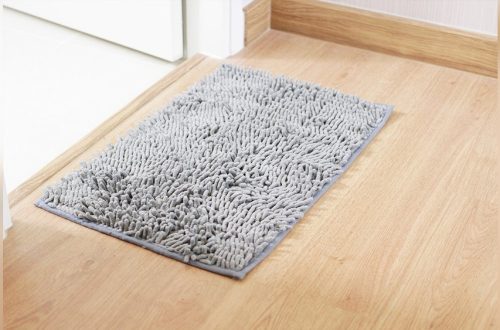
Bathroom rugs are soft and fluffy. Cats like soft surfaces to walk and rest on. The thick fibers feel cozy under their paws.
These rugs soak up liquids quickly. Cats may find this helpful for peeing. The rug hides the wetness well, which might attract cats to use it.
Scent Retention Issues
Bathroom rugs keep smells longer than hard floors. Cat urine scent stays trapped in the fibers. This scent attracts cats back to the same spot.
Even after cleaning, rugs can hold strong odors. Cats use their sense of smell to find these places. This can cause repeated peeing on the rugs.
Preventing And Managing The Behavior
Stopping a cat from peeing on bathroom rugs needs patience and care. Understanding why cats do this helps you find the right solution. Cats might choose rugs for many reasons, including stress or litter box issues. You can prevent this behavior by using cleaning methods, changing the litter box setup, and asking a vet for advice. These steps help keep your home clean and your cat happy.
Cleaning And Deterring Techniques
Clean any spots where your cat peed right away. Use enzyme cleaners to remove smells that attract cats. Avoid ammonia cleaners because they smell like urine to cats. Place a plastic mat or aluminum foil on the rug to stop your cat. Try using scents cats dislike, like citrus or vinegar, near the rug. These actions make the area less inviting for peeing.
Improving Litter Box Setup
Check if the litter box is clean and in a quiet place. Cats prefer a clean, private spot for their bathroom. Use unscented, clumping litter that your cat likes. Add one more box if you have several cats. Make sure boxes are easy to reach and not near food. Changing the litter box setup often stops rug peeing.
Consulting A Veterinarian
Visit a vet to rule out health problems. Urinary tract infections or bladder issues cause peeing outside the box. The vet can check your cat’s health and suggest treatments. They also offer advice for behavior problems. Getting professional help keeps your cat safe and healthy.
Frequently Asked Questions
Why Do Cats Prefer Bathroom Rugs For Peeing?
Cats find bathroom rugs soft and absorbent, making them appealing spots. The texture mimics natural ground, providing comfort. Rugs may also retain scent, attracting cats to mark their territory.
Can Medical Issues Cause Cats To Pee On Rugs?
Yes, urinary tract infections and bladder problems can cause inappropriate urination. Cats may avoid their litter box due to pain or discomfort. Always consult a vet if this behavior starts suddenly.
How Can I Stop My Cat From Peeing On Rugs?
Clean rugs thoroughly with enzyme cleaners to remove odors. Provide a clean, accessible litter box in a quiet area. Use deterrents like double-sided tape or citrus sprays on rugs.
Does Stress Make Cats Urinate On Bathroom Rugs?
Stress or changes in environment can trigger this behavior. Cats may pee outside the box to feel secure. Identify and reduce stressors like new pets or loud noises.
Conclusion
Cats often choose bathroom rugs because they feel soft and warm. Rugs may also carry scents that attract cats. Sometimes, they mark their space or react to stress this way. Cleaning accidents can signal health or behavior issues. Watching your cat closely helps catch problems early.
Try keeping rugs clean and dry to avoid accidents. Providing a cozy litter box spot can help too. Understanding why cats act this way improves your bond. Patience and care work best to change their habits.