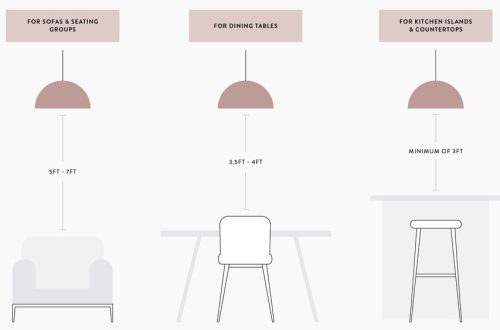
Are you wondering how high your pendant light should hang over your dining table? Getting the height just right can transform your dining space from ordinary to stunning.
Too high, and the light won’t create the cozy atmosphere you want. Too low, and it might block your view or get in the way. You’ll discover the perfect height to hang your pendant light so it looks beautiful, feels comfortable, and enhances every meal you share.
Keep reading—you’re just one step away from lighting your dining area perfectly.
Ideal Pendant Height
Choosing the right height for a pendant light over your dining table affects both style and function. The ideal pendant height creates a cozy atmosphere and provides enough light for dining tasks. It should not block views or feel too low. Finding the perfect height depends on several factors, including table size and ceiling height.
Standard Height Range
Most pendant lights hang between 28 and 34 inches above the dining table surface. This range works well for average ceiling heights and table sizes. It allows enough space for people to sit and move comfortably. Staying within this range keeps the light focused on the table without glare.
Factors Influencing Height
The size and shape of your dining table impact pendant height. Large tables may need a higher or multiple pendants. Small tables suit lower pendants for a more intimate feel. The fixture’s size also matters; bigger pendants should hang higher to avoid crowding. Personal preference and room style play roles too.
Ceiling Height Considerations
Ceiling height changes pendant light placement. In rooms with high ceilings, pendants can hang higher than 34 inches. This prevents the light from feeling lost in space. For low ceilings, lower pendants keep the room balanced. Adjust height to keep at least 7 feet of clearance from the floor.
Measuring Pendant Distance
Measuring the right distance for a pendant light over a dining table is key to good lighting. The height affects both the look and the function of your space. Too low can block views and feel cramped. Too high can make the room feel dim and cold.
Knowing the correct measurements helps create a balanced and inviting dining area. Let’s break down the main ways to measure pendant light distance.
From Ceiling To Table
Measure from the ceiling down to the table surface. The usual height is 28 to 34 inches. This range works well in most rooms with standard ceiling heights. It keeps the light close enough to brighten the table, yet high enough to avoid bumping heads.
Higher ceilings may need a longer drop for balance. Lower ceilings require shorter lengths to keep the pendant at eye level.
From Table Surface To Light
Focus on the space between the table and the bottom of the light. Aim for about 30 inches. This distance gives enough light for meals and activities. It also stops the light from shining directly into people’s eyes.
Adjust this distance slightly based on the light fixture size and shape. Slim pendants can hang lower than large, wide fixtures.
Adjusting For Table Size
Match the pendant height to your table size. Large tables need bigger or multiple pendants hung slightly higher. Small tables do best with a single pendant hung a bit lower.
For long tables, spread lights evenly. Keep each pendant about 30 inches above the table surface. This creates uniform lighting across the entire table.
Style And Functionality
Pendant lighting over a dining table must balance style and function. It should look good and serve its purpose well. The height of the pendant light affects both the room’s style and the light’s function. Choosing the right height depends on the pendant’s size, the light it gives, and how it changes the room’s mood.
Pendant Size And Scale
The size of your pendant light matters a lot. Large pendants need more space and should hang higher. Small pendants look better when hung lower. The light should not block views across the table. It must fit the table size too. A big light over a small table feels overwhelming. A tiny light over a large table looks lost.
Lighting Purpose And Brightness
Think about why you need light over the table. Is it for eating, reading, or just decoration? Bright light works well for meals and activities. Softer light creates a cozy feel for dinners. The height affects brightness too. Hang it too high and light spreads too thin. Too low, and it may glare or blind.
Impact On Room Ambiance
Pendant height changes the room’s mood. Low-hung lights create intimacy and warmth. Higher pendants make the room feel open and airy. The style of the pendant also affects ambiance. Glass or crystal pendants add elegance. Metal or wood give a rustic touch. Choose a height that matches the look and feel you want.
Multiple Pendants Setup
Using multiple pendant lights over a dining table creates a stylish and modern look. This setup spreads light evenly across the table. It also adds depth and character to your dining space. Careful planning is key for a neat, balanced appearance. Three main factors matter: spacing between pendants, height consistency, and visual balance. These help you arrange the lights perfectly above your table.
Spacing Between Pendants
Keep enough space between each pendant to avoid crowding. A good rule is to leave 12 to 24 inches between lights. This distance stops the pendants from overlapping visually. It also ensures light covers the entire table. Measure your table length and divide it by the number of pendants. This gives a basic idea of spacing. Adjust as needed for your room size and pendant style.
Height Consistency
Hang all pendants at the same height for a clean look. This makes the group appear as one unit. The typical height is 28 to 34 inches above the table surface. Use a level or measuring tape to keep heights uniform. If pendants differ in size, adjust the cords slightly. Consistent height improves the lighting effect and visual harmony.
Visual Balance
Balance the size and style of each pendant to match your table. Large tables work well with bigger or more pendants. Smaller tables need fewer, smaller pendants to avoid overwhelming the space. Choose pendants with similar shapes or colors for a cohesive look. Visual balance helps the setup feel intentional and pleasing to the eye.
Common Mistakes To Avoid
Choosing the right height for a pendant light over your dining table is important. Many people make simple mistakes that hurt the room’s look and feel. Avoiding these errors helps create a perfect balance between style and function.
Too High Or Too Low Placement
Placing the pendant light too high can make the room feel empty. The light won’t focus well on the table. On the other hand, hanging it too low can block views and hit heads. Find a height where the light is bright but not in the way.
Ignoring Room Proportions
Room size matters for pendant light height. A small room needs a lower light to feel cozy. Large rooms require higher placement to keep balance. Matching light height with room size avoids awkward empty spaces.
Overlooking Light Glare
Glare from a pendant light can be uncomfortable during meals. Light shining directly into eyes causes distraction. Use shades or dimmers to soften glare. Proper height reduces harsh light and creates a warm mood.
Adjusting Height For Special Cases
Adjusting the height of a pendant light over a dining table is not always straightforward. Some rooms and tables need special care. Different factors change the ideal hanging height. This section helps you set the perfect height in special cases.
Consider room size, table height, and shape. These details affect the light’s look and function. Proper height keeps your space cozy and well-lit.
Low Ceiling Rooms
Low ceilings need shorter drops for pendant lights. Keep at least 7 feet from floor to light bottom. This avoids bumping heads and keeps space open. Choose flush or semi-flush mounts for very low rooms. These lights save space and still add style.
Tall Or Short Tables
Table height changes pendant light height too. Taller tables need lights hung a bit higher. Keep the bottom of the light 30 to 36 inches above the table. For short tables, lower the light slightly. This keeps light focused and reduces glare.
Dining Room Shape
Room shape affects light placement. Long rooms may need several pendants in a row. Space them evenly for balanced light. Square rooms often work well with one centered pendant. Consider table size and room layout for best results.
Frequently Asked Questions
How High Should Pendant Light Hang Over Dining Table?
Pendant lights should hang 28 to 34 inches above the dining table surface. This height provides adequate lighting and prevents glare. It also ensures the fixture does not obstruct views or conversation across the table.
What Factors Affect Pendant Light Height Above Dining Table?
Room ceiling height, table size, and fixture size affect pendant light height. Higher ceilings may require taller hanging pendants. Larger tables benefit from multiple pendants hung evenly at the right height.
Can Pendant Lights Be Hung Too Low Over Dining Table?
Yes, hanging pendants too low can cause glare and block sightlines. It may also interfere with diners’ head space. Maintain recommended height to ensure comfort and proper lighting.
How To Measure Pendant Light Height For Different Table Sizes?
Measure 28 to 34 inches from the table surface for standard tables. For longer tables, use multiple pendants spaced evenly at the same height. Adjust height slightly for ceiling height and fixture style.
Conclusion
Choosing the right height for your pendant light is key. Hang it too high, and the light feels weak. Too low, and it blocks views or gets in the way. Aim for about 30 to 36 inches above the table.
This balance helps create a cozy, bright space. Adjust a little based on your room size and ceiling height. A well-placed light makes dining more enjoyable and stylish. Simple steps lead to a perfect glow every meal.