Choosing the perfect height for your pendant light above a countertop can make a huge difference in both style and function. If it’s too low, it might block your view or get in the way.
Too high, and it won’t provide enough light where you need it most. You want your space to look inviting and work smoothly for your daily tasks. Keep reading, and you’ll discover simple, practical tips to find the ideal pendant light height that suits your kitchen or workspace perfectly.
Ideal Height For Pendant Lights
Finding the right height for pendant lights above a countertop is key to both style and function. The ideal height ensures good lighting and prevents glare or shadows. It also keeps the space comfortable and visually balanced. Several factors affect this height, including room size, ceiling height, and pendant design. Understanding these basics helps you place your pendant lights just right.
Standard Measurements Above Countertops
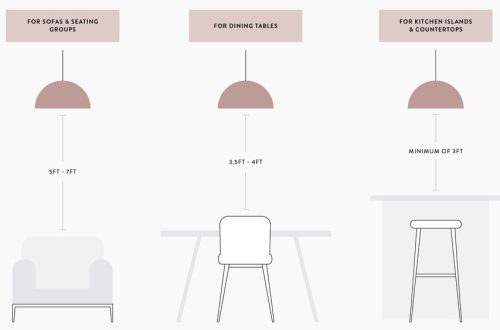
The usual height for pendant lights above a countertop is 30 to 36 inches. This distance works well for most kitchens and dining areas. It provides enough light for tasks like cooking and eating. It also avoids blocking the view across the room. Measuring from the countertop surface to the bottom of the light fixture gives the best guide.
Adjusting For Ceiling Height
Taller ceilings often call for higher pendant lights. For ceilings over 9 feet, raise the fixture by 3 inches for every extra foot. This adjustment keeps the light at a comfortable level. Lower ceilings need shorter drops to avoid head bumps. Balance is important to keep the pendant both practical and attractive.
Considering Pendant Size And Style
Large pendant lights should hang a bit higher. Small pendants look better when closer to the countertop. The shape also matters. Wide or round lights need more space below than narrow, slim ones. Choose a height that fits the pendant’s size and style for the best look.
Factors Influencing Pendant Height
Choosing the right height for a pendant light above a countertop depends on many factors. Each factor affects how the light looks and works in the space. Understanding these helps create a balanced and useful lighting setup.
Task Lighting Needs
Task lighting is important for activities like cooking and reading recipes. Pendants should hang low enough to light the work area well. Too high, and shadows can make tasks harder. Too low, and the light might block the view or get in the way. Find a height that shines light clearly on the countertop.
Ambient Lighting Effects
Pendants also add to the room’s overall light. The height affects how light spreads around the space. Higher pendants give softer, wider light that fills the room. Lower pendants focus light in one spot, creating bright pools. Consider the room’s size and other light sources when setting the height.
Visual Balance And Aesthetics
The pendant’s height changes the room’s look and feel. It should match the countertop size and ceiling height. A pendant too low can feel heavy or block sightlines. Too high, and it may look lost or disconnected. The right height keeps the room balanced and visually pleasing.
Measuring And Installing Pendant Lights
Measuring and installing pendant lights requires care and precision. Proper height ensures good lighting and a stylish look. Too low or too high can spoil the room’s balance. Follow clear steps to get the perfect placement above your countertop.
Tools Required For Accurate Measurement
Use a tape measure for exact height checking. A ladder helps reach the ceiling safely. A pencil marks the spot for installation. A level ensures the light hangs straight. A drill and screwdriver fix the fixture firmly. Gather all tools before starting work.
Step-by-step Installation Guide
Turn off the power at the breaker for safety. Measure 30 to 36 inches above the countertop. Mark the ceiling spot with a pencil. Drill holes and insert anchors if needed. Attach the mounting bracket to the ceiling. Connect wires: black to black, white to white, and ground wire. Secure the pendant light to the bracket. Adjust the cord length to the marked height. Turn power back on and test the light.
Common Mistakes To Avoid
Do not hang the light too low, blocking views or work space. Avoid placing it too high, which weakens the light’s effect. Skip rough measurements; use a tape measure every time. Never ignore safety by skipping power shutoff. Avoid twisting wires; connect them carefully for a safe fit.
Tips For Different Kitchen Layouts
Pendant lights add style and function to kitchens. Different kitchen layouts need different lighting heights. Setting the right height makes your space look balanced. It also helps light the work areas well. Here are some tips for various kitchen layouts.
Above Kitchen Islands
Pendant lights over kitchen islands should hang 30 to 36 inches above the surface. This height keeps the light focused and avoids glare. Use multiple smaller pendants for wide islands. Space them evenly for a clean look. Choose fixtures that fit your kitchen style.
Over Eating Areas
Place pendant lights 28 to 34 inches above eating tables. This height gives soft, direct light for dining. Lower pendants create a cozy atmosphere. Pick lights with dimming options for flexible mood lighting. Match the pendant style with your dining furniture.
Pendant Lighting In Small Kitchens
In small kitchens, hang pendants 30 to 34 inches above counters. Avoid large or bulky fixtures that crowd the space. Slim or clear glass pendants work well here. Use one or two lights to keep it simple. Bright light helps make small kitchens feel bigger.
Choosing The Right Bulb And Shade
Choosing the right bulb and shade for a pendant light above a countertop is important. It affects how well the light works and how it looks. The right choices can make your space brighter and more inviting. The wrong ones might cause glare or shadows. This section covers key points to help you decide.
Impact On Light Distribution
The bulb and shade control where the light goes. A clear bulb spreads light all around. A frosted bulb softens the light. Shades direct light down or out to the sides. A wide shade spreads light broadly. A narrow shade focuses light in one spot. Choose based on the space and tasks you do.
Style And Material Considerations
Shade style affects the room’s look. Glass shades create a classic feel. Fabric shades add softness and color. Metal shades offer a modern, sleek look. The material also changes light quality. Translucent materials let light pass gently. Opaque materials block light, creating shadows. Pick a style that matches your decor.
Energy Efficiency And Brightness
Bulb type impacts energy use and brightness. LED bulbs save energy and last long. They come in many brightness levels. Choose a bulb that gives enough light for cooking or working. Check the bulb’s lumens, not watts, for brightness. Lower watts mean less energy used. Bright but efficient lighting keeps your space functional and eco-friendly.
Frequently Asked Questions
How High Should Pendant Lights Hang Above Countertops?
Pendant lights should hang 28 to 34 inches above the countertop. This height balances style and function, providing adequate lighting without obstructing views or workspace.
Why Is Pendant Height Important For Kitchen Lighting?
Correct pendant height ensures optimal task lighting and prevents glare. It enhances kitchen aesthetics while maintaining clear sightlines and comfortable use of the countertop area.
Can Pendant Lights Be Adjusted After Installation?
Yes, many pendant lights feature adjustable cords or rods. This allows easy changes to height, helping you customize lighting to fit your space perfectly.
What Happens If Pendant Lights Are Too Low?
If pendant lights hang too low, they can obstruct vision and workspace. They may cause glare and make the countertop area feel cramped or cluttered.
Conclusion
Choosing the right height for your pendant light matters a lot. It helps light your space well and looks good too. Usually, hanging lights 28 to 34 inches above the countertop works best. This height keeps the light bright without blocking your view.
Adjust a bit for taller or shorter people in your home. A well-placed light makes cooking and chatting easier. Remember, simple changes can improve your room’s feel and function. Try different heights until it feels just right for you.