Are your string lights no longer shining bright? Before you toss them in the trash, it’s important to know the right way to dispose of them.
You might be surprised how improper disposal can harm the environment and even waste valuable materials. In this guide, you’ll discover simple, practical steps to get rid of your old string lights safely and responsibly. Keep reading to learn how you can make a positive impact while clearing out your space.
Types Of String Lights
String lights come in different types. Knowing these helps in proper disposal. Each type has unique materials and components. This affects recycling and waste handling. Understanding the types also helps you choose the right lights for your needs.
Incandescent Vs Led
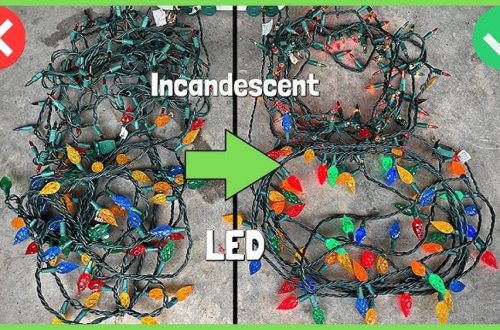
Incandescent string lights use tiny bulbs with a filament inside. They consume more energy and can get hot. These lights have glass bulbs and metal wires. Disposal needs care to avoid breakage and injury.
LED string lights use light-emitting diodes. They last longer and use less power. LEDs have plastic covers and electronic circuits. Recycling LED lights requires removing batteries and electronic parts.
Solar-powered Options
Solar string lights have small solar panels and rechargeable batteries. They store energy from the sun during the day. The batteries need special disposal due to chemicals inside. Solar lights combine plastic, metal, and electronics. Separate parts properly before disposal or recycling.
Safety First
Safety must be your top priority when disposing of string lights. These lights have electrical parts and small bulbs that can be fragile. Handling them with care helps prevent accidents and injuries. Proper safety steps also reduce fire risks and protect the environment.
Unplugging And Handling
Always unplug string lights before removing or disposing of them. This stops electric shocks and short circuits. Hold the plug, not the cord, to avoid damage. Check bulbs for cracks or breaks. Wear gloves to protect your hands from sharp pieces.
Avoiding Fire Hazards
Do not throw string lights into regular trash bins. Damaged wires can spark and cause fires. Keep lights away from flammable materials like paper or cloth. Use special recycling centers that handle electrical waste safely. Never burn string lights or wires as this releases harmful chemicals.
Reuse Ideas
String lights can brighten more than just your home during holidays. Reusing them creatively helps reduce waste and adds charm to your space. Old string lights have many uses beyond decoration. They inspire fun and useful projects.
Craft Projects
String lights make great supplies for craft projects. Wrap lights around jars to create glowing lanterns. Use them in DIY photo displays to highlight memories. They add sparkle to handmade wreaths or centerpieces. Kids can use them in school art projects for extra shine. Small light bulbs can be painted or decorated for unique effects. Crafting with string lights is a simple way to reuse and enjoy them again.
Home Decor Uses
String lights can brighten rooms all year round. Place them inside glass bottles or vases for soft lighting. Hang lights around mirrors to add cozy warmth. Use them to outline shelves or headboards for subtle glow. They work well in terrariums or plant pots for a magical look. Lights strung along curtains or walls create festive moods anytime. These ideas help reuse string lights while improving home ambiance.
Recycling Options
Recycling string lights helps protect the environment. Proper recycling keeps harmful materials out of landfills. It also recovers valuable parts for reuse.
Many options exist to recycle string lights safely. Knowing where to take them is key. Below are two common recycling choices.
Local Recycling Centers
Local recycling centers often accept string lights. Check with your city or town facility first. Some centers have special bins for electronics.
Bring your string lights to these centers for safe disposal. They separate metal, plastic, and glass parts. This process reduces waste and pollution.
Specialized E-waste Programs
Specialized e-waste programs focus on electronic items. String lights fall under this category due to wiring and bulbs. These programs ensure proper handling of hazardous parts.
Find e-waste events or drop-off spots near you. These programs often recycle components like copper wire and LED bulbs. They keep toxins from harming the environment.
Donation And Repurposing
Donating or repurposing string lights gives them a new life. It helps reduce waste and supports others in creative ways. String lights can brighten up spaces beyond your home.
Community Centers
Community centers often need decorations for events and celebrations. String lights can add warmth and charm to their spaces. Donating lights supports local gatherings and social activities. Make sure the lights work well and are safe to use.
Schools And Art Programs
Schools and art programs love using string lights for projects. Lights can inspire creativity in classrooms and art rooms. Teachers can use them in displays or craft lessons. Donating lights provides resources for students to explore art.
Proper Disposal Methods
Proper disposal of string lights helps protect the environment and keeps your space safe. Knowing the right steps to throw away or recycle old lights matters. This section explains how to dispose of string lights the correct way. Follow these methods to avoid harm and reduce waste.
Trash Guidelines
Most string lights can go in the trash if they are broken or no longer work. Remove any batteries or plugs before throwing them away. Cut the wires to avoid tangling with other trash. Place the lights inside a sealed bag to keep pieces together. Check local rules to see if there are special trash days for electronics.
Hazardous Waste Disposal
Some string lights have small parts that need special disposal. Lights with mercury or other harmful materials must not go in regular trash. Take these lights to a hazardous waste facility or a recycling center. These places handle dangerous materials safely. Call your local waste management to find the nearest facility and their rules.
Eco-friendly Tips
Disposing of string lights in an eco-friendly way helps protect the environment. It reduces waste and saves resources. Small changes in how you choose and discard lights make a big difference. Here are simple tips to follow for a greener approach.
Choosing Sustainable Lights
Pick string lights made from recycled or eco-friendly materials. LED lights use less energy and last longer. Avoid lights with plastic parts that cannot be recycled. Choose products with clear recycling instructions on the package. This reduces waste and lowers your carbon footprint.
Reducing Waste Impact
Reuse old lights for crafts or decorations before throwing them away. Donate working lights to community centers or charities. Recycle broken string lights at electronic recycling centers. Avoid tossing them in regular trash to prevent pollution. Proper disposal helps keep harmful materials out of landfills.
Frequently Asked Questions
How Do I Safely Dispose Of String Lights?
Unplug and check for damage before disposal. Remove bulbs carefully. Recycle wires and bulbs if possible. If not, dispose of string lights at an electronic waste center or follow local regulations for hazardous waste.
Can I Recycle Old String Lights?
Yes, many parts of string lights are recyclable. Separate bulbs, wires, and plastic components. Take them to an electronic or metal recycling facility. Check local recycling rules to ensure proper disposal.
Where Can I Donate Usable String Lights?
Donate to schools, theaters, or community centers. Charities and thrift stores also accept working string lights. Ensure lights are in good condition and safe to use before donating.
Are Led String Lights Easier To Recycle?
Yes, LED string lights use less toxic materials. They are more energy-efficient and often easier to recycle. Still, separate components and follow local recycling guidelines for disposal.
Conclusion
Properly disposing of string lights helps protect the environment. Separate the bulbs from the wires before recycling. Check local guidelines for electronic waste disposal. Avoid throwing string lights in regular trash bins. Donate working lights to community centers or charities.
Recycling materials saves energy and reduces pollution. Small steps make a big difference over time. Keep your home safe by removing old, damaged lights. Careful disposal ensures fewer harmful chemicals enter nature. Stay responsible and help keep the planet clean.