Want to transform your outdoor space into a cozy, inviting spot? Hanging outdoor string lights is one of the easiest and most effective ways to do it.
But if you’re wondering how to hang outdoor string lights without a hassle, you’re in the right place. This guide will walk you through simple steps that anyone can follow—no special tools or skills needed. By the end, you’ll have your lights up and your space glowing just the way you imagined.
Ready to brighten up your nights? Let’s get started!
Choosing The Right Lights
Choosing the right outdoor string lights is key to creating a warm and inviting space. The right lights add charm and brightness to your patio, garden, or balcony. Consider the light type, durability, and length to suit your outdoor area best.
Types Of Outdoor String Lights
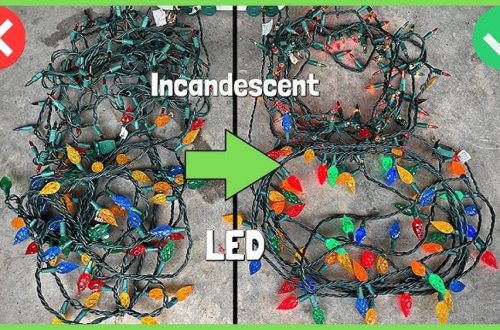
There are many types of outdoor string lights. Globe lights offer a soft, round glow. Edison bulbs give a vintage, warm feel. LED lights save energy and last longer. Solar-powered lights charge during the day. Choose the type that fits your style and needs.
Durability And Weather Resistance
Outdoor lights must withstand rain, wind, and sun. Look for waterproof or weatherproof labels. Lights with strong, flexible wiring resist damage. Plastic or glass bulbs handle weather well. Durable lights stay safe and work longer outside.
Length And Bulb Spacing
Measure your space before buying lights. Longer strings cover bigger areas. Bulb spacing affects how bright the area looks. Closer bulbs create more light and a cozy feel. Wider spacing gives a subtle, gentle glow. Choose length and spacing to match your space size.
Planning Your Layout
Planning your layout is the first step to hang outdoor string lights. It helps you organize the space and avoid mistakes. Good planning saves time and makes the lights look great. Start by understanding the area where you want to hang the lights. Then, choose strong points to attach the lights safely. Finally, sketch your design to see how the lights will fit.
Measuring The Area
Measure the length and width of your outdoor space. Use a tape measure for accuracy. Write down the dimensions. Check for any obstacles like trees or poles. Knowing the exact size helps you buy the right amount of string lights. Avoid buying too little or too much.
Selecting Anchor Points
Find sturdy places to hang the lights. Look for walls, fences, or trees. Make sure the points can hold the weight of the lights. Avoid weak branches or loose nails. Use hooks or clips made for outdoor use. Secure anchor points keep your lights safe during wind or rain.
Creating A Design Sketch
Draw a simple sketch of your outdoor area on paper. Mark the anchor points clearly. Draw the path of the string lights. Plan how the lights will connect and where the plugs will go. A sketch helps you visualize the final look. It also helps when installing the lights step by step.
Gathering Tools And Materials
Gathering the right tools and materials is the first step to hang outdoor string lights. Having everything ready makes the process smooth and quick. You can avoid delays and frustration by preparing in advance. The tools and hardware you choose depend on your outdoor space and the string lights type.
Essential Tools
Start with basic tools. A ladder helps reach high spots safely. A tape measure ensures proper spacing and length. Use a pencil or chalk to mark hanging points. A drill or screwdriver is needed for screws and hooks. Wire cutters help trim excess string light wire. Gloves protect your hands during installation. A level keeps lights straight and even.
Additional Hardware Options
Choose hardware based on your hanging surface. S-hooks or cup hooks work well on wood or eaves. Adhesive hooks avoid holes on delicate surfaces like siding. Zip ties secure lights to railings or poles. Turnbuckles add tension to prevent sagging. Outdoor-rated extension cords extend power safely. Weatherproof connectors protect electrical connections from rain.
Installing Support Structures
Installing support structures is key for hanging outdoor string lights safely and attractively. These structures hold the lights steady and keep them from sagging or falling. Choosing the right support depends on your outdoor space and the look you want. Strong, secure supports also protect your lights from wind and weather.
Using Poles And Posts
Poles and posts give flexible support for string lights. You can place them anywhere in your yard. Use sturdy wood or metal poles. Secure them deep into the ground for stability. Attach hooks or eye screws at the top to hold the lights. This method works well for open spaces without walls or trees.
Attaching To Walls And Fences
Walls and fences provide easy, strong anchor points. Use wall hooks or brackets to fix the lights. Make sure the hooks can hold the light strands’ weight. Space hooks evenly for a neat look. This method keeps lights close to your home or garden edges. It also reduces the need for extra poles.
Utilizing Trees And Existing Structures
Trees and existing structures offer natural support. Wrap lights around thick branches or beams. Use soft ties or clips to avoid damage. Check that branches are strong enough to hold the lights. This option adds charm and blends lights with nature. It works well in gardens and patios with mature trees.
Hanging The String Lights
Hanging outdoor string lights creates a warm and inviting space. It brightens patios, gardens, or decks. Proper hanging ensures lights stay secure and look great. Careful steps help prevent damage and keep lights shining longer.
Securing The Lights Safely
Choose strong anchor points like hooks or sturdy poles. Use outdoor-rated clips or zip ties to hold the lights. Avoid nails or staples that can damage wires. Check anchors for stability before hanging. Secure both ends of the string tightly.
Maintaining Tension And Alignment
Keep the lights taut but not too tight. Loose strings sag and look messy. Too much tension can break wires. Space lights evenly for a neat look. Adjust the height to avoid obstacles like trees or doors.
Avoiding Damage To Lights
Handle lights gently during installation. Do not pull or stretch the wires harshly. Keep lights away from sharp edges or rough surfaces. Protect plugs and sockets from moisture. Store lights properly after use to avoid tangles and breaks.
Power And Safety Tips
Power and safety are key when hanging outdoor string lights. Proper setup keeps your space bright and secure. Follow these tips to avoid electrical hazards and enjoy your lights safely.
Outdoor Electrical Considerations
Use outdoor-rated extension cords and lights. These products resist moisture and heat. Check for safety certifications on labels. Avoid overloading circuits with too many lights. Plug lights into a ground fault circuit interrupter (GFCI) outlet. This prevents electric shocks in wet conditions.
Weatherproof Connections
Protect all plugs and connectors from rain and snow. Cover connections with waterproof tape or plastic covers. Keep plugs off the ground to avoid water contact. Secure cords tightly to prevent tripping hazards. Inspect connections regularly for damage or wear.
Using Timers And Smart Controls
Use timers to turn lights on and off automatically. This saves energy and extends bulb life. Smart controls let you operate lights from your phone. Set schedules and adjust brightness easily. This adds convenience and improves safety by avoiding dark spots.
Maintaining And Storing Lights
Maintaining and storing outdoor string lights helps them last longer. Proper care keeps lights bright and safe for use each season. Simple steps protect your investment and save money over time.
Cleaning Tips
Clean lights before storing or after use. Use a soft cloth to wipe dirt and dust. Avoid harsh chemicals that damage bulbs or wiring. Mild soap and water work well for tough spots. Make sure lights are dry before packing them away.
Seasonal Storage
Store lights in a cool, dry place. Avoid areas with high heat or moisture. Coil strings loosely to prevent tangles and damage. Use a storage box or bag designed for lights. Label the container for easy finding next season.
Troubleshooting Common Issues
Check bulbs for damage or looseness if lights flicker. Replace any broken or burnt-out bulbs promptly. Inspect wires for cracks or frays and avoid using damaged sets. Test the plug and outlet if lights do not turn on. Follow manufacturer instructions for repairs or replacements.
Frequently Asked Questions
How Do I Choose The Best Outdoor String Lights?
Select lights rated for outdoor use with weatherproof features. Consider brightness, length, and bulb type to fit your space. LED lights are energy-efficient and durable for long-term use.
What Tools Are Needed To Hang Outdoor String Lights?
You’ll need hooks, zip ties, a ladder, and a measuring tape. Optional tools include a drill and outdoor extension cords for easier installation.
How Do I Safely Hang Outdoor String Lights?
Ensure lights are plugged into a GFCI outlet. Avoid overloading circuits and secure lights firmly to prevent sagging or wind damage.
Can I Hang String Lights On Trees Or Fences?
Yes, use hooks or zip ties to attach lights to trees or fences. Be gentle to avoid damaging bark or wood.
Conclusion
Hanging outdoor string lights can brighten any space easily. Choose the right spots and tools for a safe setup. Take your time to measure and plan before starting. Secure the lights well to avoid damage or accidents. Enjoy the warm glow that creates a cozy atmosphere.
Outdoor string lights add charm to evenings outside. Simple steps make your space inviting and beautiful. Try different layouts to find what suits you best. Let your creativity shine with soft, twinkling lights.