Are you ready to make your home the brightest on the block this holiday season? Stringing Christmas lights on your house can transform your space into a festive wonderland that brings joy to you and your neighbors.
But where do you start? Don’t worry—this guide will walk you through simple steps to hang your lights safely and beautifully. By the end, you’ll have the confidence to create a dazzling display that lights up your entire neighborhood. Let’s get started and make your home shine like never before!
Choosing The Right Lights
Choosing the right Christmas lights is key to a beautiful display. The right lights make your house look festive and bright. It also saves energy and money. Understanding types, brightness, and length helps you pick the best lights for your home.
Types Of Christmas Lights
There are several types of Christmas lights. Mini string lights are small and classic. C7 and C9 bulbs are larger and brighter. Net lights cover bushes or trees easily. Rope lights are flexible and good for outlining shapes. Choose the type that fits your decoration style.
Led Vs Incandescent
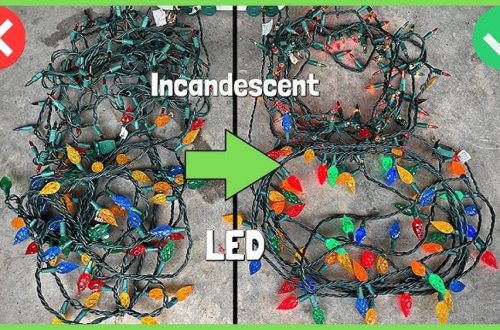
LED lights use less energy and last longer than incandescent bulbs. They stay cool, which is safer for your home. Incandescent lights are cheaper but use more power and burn out faster. LED lights come in many colors and styles. They are better for outdoor use.
Length And Brightness
Measure the area you want to decorate before buying lights. Lights come in different lengths to cover small or large spaces. Brightness depends on the number of bulbs and their type. Choose a brightness level that makes your home look cheerful but not too harsh.
Planning Your Design
Planning your Christmas light design helps make the process smooth and fun. It saves time and avoids mistakes. A clear plan shows you where to place lights and how many you need. Careful planning makes your house look festive and bright.
Start by understanding your house’s shape and size. Then, decide what style you want. Think about colors, patterns, and areas to highlight. This careful thought creates a beautiful, balanced display.
Mapping Your House
Draw a simple map of your house’s front and sides. Mark windows, doors, eaves, and rooflines. Note any special features like trees or porches. Use this map to plan where lights will go. It helps avoid buying too many or too few lights.
Creating A Layout
Choose a style: classic white, colorful, or themed. Plan how to string lights along roof edges, windows, and railings. Make sure your layout matches your map. Count the length of each section to estimate light strands needed. This step keeps your design neat and even.
Safety Considerations
Check all lights for damage before use. Use outdoor-rated lights and extension cords only. Avoid overloading electrical outlets. Keep cords away from water and walkways. Use a sturdy ladder and ask for help when hanging lights high. Safety keeps your holiday bright and accident-free.
Gathering Tools And Materials
Before hanging Christmas lights on your house, gather the right tools and materials. This step makes the process easier and safer. Having everything ready helps you avoid delays and problems. Collecting the proper items ensures your lights look great and stay secure throughout the season.
Essential Tools
You need a few basic tools to hang lights well. A sturdy ladder helps you reach high places safely. Gloves protect your hands from sharp edges and cold. A measuring tape lets you plan how many lights to use. Scissors or wire cutters help trim excess cords. A step stool can assist in lower areas.
Extension Cords And Timers
Extension cords bring power to lights far from outlets. Choose outdoor-rated cords for safety and durability. Timers let you set when lights turn on and off. This saves energy and adds convenience. Check cords and timers for damage before use. Use enough length to cover all light strands.
Mounting Accessories
Mounting accessories keep lights in place without damage. Plastic clips and hooks attach lights to gutters and shingles. Avoid nails or staples to prevent wire damage. Zip ties secure loose cables neatly. Adhesive hooks work well on smooth surfaces. Choose accessories that fit your house style and light type.
Preparing The Lights
Preparing your Christmas lights is a key step before hanging them on your house. It saves time and avoids frustration later. Start early to find any problems and fix them. Proper preparation ensures your lights will shine bright all season.
Untangling And Testing
Take out all light strands carefully. Gently untangle each string to avoid breaking bulbs. Plug in the lights to check if they work. Replace any strands that do not light up fully. This step helps catch issues before decorating.
Replacing Broken Bulbs
Look closely for burnt-out or broken bulbs. Use a bulb tester to find faulty ones fast. Replace damaged bulbs with the same type and size. This keeps the entire strand bright and safe. Never skip this step to avoid dark spots.
Organizing Light Strands
Sort strands by length and type for easier handling. Coil them neatly to prevent new tangles. Label each strand if needed to remember their spots. Organizing saves time and makes hanging smoother. It also helps you avoid confusion during installation.
Hanging The Lights
Hanging Christmas lights on your house can create a warm, festive look. Properly hanging lights makes your decorations safe and neat. It also helps your lights stay on longer and look better.
Start by planning where your lights will go. Then, use the right tools and techniques to hang them securely. Different surfaces need different approaches for the best results.
Starting Points
Begin at an outdoor power outlet or extension cord. This keeps your lights close to the power source. Choose a corner or edge of your roof to start. It helps to work along the roofline or gutters. This way, the lights follow a clean path and look tidy.
Measure the length of your string lights before hanging. Make sure you have enough to cover the area. Unroll the lights carefully to avoid tangles or damage.
Securing Lights Safely
Use clips designed for hanging lights on houses. They hold lights firmly without harming the roof or walls. Avoid nails or staples, which can damage wires or surfaces. Check that all clips are tight to prevent lights from falling.
Keep cords away from sharp edges and water. Secure cords to avoid tripping hazards. Always use outdoor-rated extension cords and plugs for safety.
Working With Different Surfaces
On wood or vinyl siding, use plastic clips that snap on easily. For brick or stucco, use adhesive hooks made for rough surfaces. Metal gutters work well with gutter clips designed to grip securely.
Be gentle on fragile surfaces to prevent cracks or peeling. Test clips or hooks on a small area before full use. Adjust your method based on the surface texture and shape.
Power And Timing
Power and timing are key to a great Christmas light display. Proper power setup ensures safety and prevents outages. Good timing helps save energy and makes your lights shine at the right moments. This section covers how to connect lights to power, use timers, and save energy.
Connecting To Power Sources
Use outdoor-rated extension cords for safety. Check the power capacity of your outlets. Avoid overloading one outlet with too many lights. Plug lights into ground fault circuit interrupter (GFCI) outlets. These outlets protect from electrical shocks. Secure cords to prevent trips and damage. Test all lights before hanging to avoid surprises.
Using Timers And Controls
Timers turn lights on and off automatically. Set timers to match your daily routine. This saves electricity and reduces hassle. Use smart plugs or timers with apps for easy control. Choose timers that work well with your light type. Change settings as daylight hours shift through winter.
Energy Efficiency Tips
Choose LED lights for lower power use. LEDs last longer and stay cool. Use fewer lights or smaller displays to cut energy use. Turn off lights during the day. Use solar-powered lights for extra savings. Regularly check and replace broken bulbs to keep efficiency high.
Maintaining Your Display
Maintaining your Christmas light display keeps it bright and safe throughout the season. Small problems can spoil the look. Regular care helps your lights last longer and shine better. Follow simple steps to keep your display in top shape.
Troubleshooting Common Issues
Check bulbs that do not light up first. Replace broken or burnt-out bulbs immediately. Loose connections cause flickering or dark spots. Secure plugs and sockets firmly. Test the entire string before hanging. Use a bulb tester for quick checks.
Weatherproofing
Protect your lights from rain and snow. Use outdoor-rated lights and extension cords. Cover plugs with plastic bags or waterproof tape. Avoid placing lights near water sources. Keep cords off the ground to prevent damage. Regularly inspect for wear or cracks.
Storing Lights After Season
Turn off and unplug all lights before storing. Remove bulbs carefully to avoid breakage. Wrap strings around a spool or cardboard. Store in a dry, cool place away from sunlight. Label boxes for easy finding next year. Proper storage helps lights last longer.
Frequently Asked Questions
How Do I Safely Hang Christmas Lights On My House?
Use a sturdy ladder and wear gloves to avoid cuts. Secure lights with clips, not nails. Check for damaged wires before plugging in. Keep connections dry and use outdoor-rated extension cords for safety.
What Type Of Lights Work Best For Outdoor Use?
LED lights are energy-efficient and durable for outdoor use. Look for lights labeled “outdoor rated. ” They resist weather damage and stay cool, reducing fire risks. LEDs also offer bright, vibrant colors that last longer.
How Can I Evenly Space Christmas Lights On My Roof?
Measure your roofline and divide by the number of light strands. Use this spacing to hang clips or hooks evenly. This ensures balanced, professional-looking decorations. Adjust for corners and edges to maintain a neat appearance.
Can I Connect Multiple Light Strands Together Safely?
Yes, connect strands only if they are designed for it. Check the maximum number of strands allowed on the packaging. Avoid overloading electrical outlets to prevent hazards. Use a power strip with a circuit breaker for added protection.
Conclusion
Stringing Christmas lights on your house brings joy and holiday cheer. Start early and plan your design for best results. Use safe tools and follow instructions closely. Test lights before hanging to avoid surprises. Even simple patterns make your home look festive.
Enjoy the process and watch your house glow. This tradition creates lasting memories for family and friends. Brighten your home and your spirit this season.