Are your string lights flickering or dim? Changing those tiny bulbs might seem tricky, but it’s easier than you think.
If you want your lights shining bright again without hassle, this guide is for you. You’ll learn simple steps to replace your string light bulbs quickly and safely. Keep reading, and you’ll have your space glowing beautifully in no time.
Tools You’ll Need
Changing string light bulbs is a simple task with the right tools. Having everything ready makes the process smooth and safe. Prepare before you start to avoid frustration and mistakes.
Types Of Replacement Bulbs
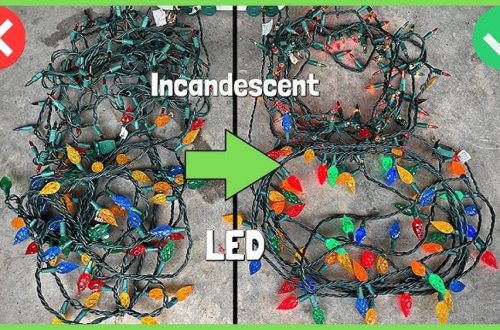
Choose the correct bulbs for your string lights. Check the size and shape first. Some bulbs are small and round, others are long and thin. Look for the voltage to match your string lights. LED bulbs last longer and save energy. Incandescent bulbs give a warm glow but use more power. Buy bulbs that fit well to avoid flickering or damage.
Essential Safety Gear
Safety comes first. Wear gloves to protect your hands from broken glass or heat. Use safety glasses to shield your eyes from debris. Turn off the power before starting work. Use a sturdy ladder if bulbs are high up. Keep a flashlight nearby if working in low light. Avoid rushing to prevent accidents and injuries.
Preparing For Replacement
Before changing string light bulbs, preparation is important. It helps keep you safe and makes the process smooth. Taking small steps first saves time and avoids problems later.
Unplugging The String Lights
Always unplug the string lights before starting. This stops electricity from flowing. It keeps you safe from shocks. Unplugging also protects the bulbs and the string.
Checking For Damaged Sections
Look closely at the string for any damage. Check for broken wires, cracks, or loose bulbs. Damaged parts can cause short circuits or fire. Fix or replace bad sections before changing bulbs.
Removing Old Bulbs
Removing old bulbs from string lights is the first step in changing them. Proper care helps avoid damage to the bulbs and the light string itself. This section guides you through the process safely and easily.
Identifying The Bulb Type
Check the bulb shape and size before removal. Some bulbs twist out, while others pull straight out. Look for markings on the bulb or packaging. These details tell you the exact type to handle. Knowing the type prevents breaking or incorrect replacements.
Proper Removal Techniques
Turn off the lights and unplug the string first. Hold the bulb gently but firmly. For twist bulbs, turn counterclockwise until loose. For push-in bulbs, pull straight out without twisting. Avoid bending the wire or pulling too hard. Use a cloth for better grip and safety.
Installing New Bulbs
Installing new bulbs in string lights is simple and quick. It keeps your lights bright and safe to use. Follow clear steps to replace bulbs correctly. This helps your lights last longer and look great.
Matching Bulb Specifications
Check the bulb size and type before buying new ones. Use bulbs with the same voltage and wattage as the old ones. This prevents damage to the string lights. Using the right bulbs keeps your lights working well and saves energy.
Securing The Bulb Correctly
Hold the bulb gently and push it into the socket. Turn the bulb slightly if it needs to twist in. Make sure it fits snugly but do not force it. A secure bulb avoids flickering and ensures steady light. Double-check all bulbs before turning the string light on.
Testing Your Lights
Testing your string lights ensures they work well before hanging them up. This step saves time and avoids frustration later. You can find out if bulbs need replacement or if the string has other issues. Follow simple steps to test safely and troubleshoot common problems.
Plugging In Safely
First, check the power source is off before plugging in the lights. Use a dry area to avoid electric shock. Plug the string lights into a working outlet carefully. Watch the bulbs light up. If none turn on, unplug immediately and inspect the string for damage.
Troubleshooting Common Issues
If some bulbs do not light, check if they are loose or burnt out. Replace any broken bulbs with the correct size and type. Look for damaged wires or sockets that may cause problems. Test the string light again after fixing issues. Repeat steps until all bulbs glow evenly.
Maintaining String Lights
Maintaining string lights keeps them bright and safe. Proper care helps the bulbs last longer. Clean and store them correctly to avoid damage and dirt buildup.
Regular Cleaning Tips
Turn off the lights before cleaning. Use a soft cloth to wipe each bulb gently. Avoid using water directly on the bulbs. Dust and dirt can reduce light brightness. Check the wires for any damage while cleaning. Clean the bulbs regularly to keep them shining.
Storage Best Practices
Unplug the string lights before storing. Coil the lights loosely to avoid tangles. Store them in a dry, cool place. Avoid folding or crushing the wires. Use a box or container for protection. Proper storage prevents damage and keeps lights ready to use.
Frequently Asked Questions
How Do I Safely Change String Light Bulbs?
First, unplug the string lights to avoid electric shock. Use a ladder if needed. Gently twist and pull out the old bulb. Insert the new bulb firmly but carefully. Always handle bulbs with clean, dry hands to prevent damage.
What Type Of Bulbs Fit String Lights?
Check the string light packaging or manufacturer’s guide for bulb type. Most string lights use small incandescent or LED bulbs. Using the correct wattage and size ensures safety and proper function. Avoid mixing different bulb types to prevent damage.
Can I Replace Broken Bulbs In Outdoor String Lights?
Yes, but ensure the replacement bulbs are rated for outdoor use. Outdoor bulbs are weather-resistant and built to handle moisture. Always unplug the lights before replacing bulbs to avoid shock. Use bulbs matching the original specifications for safety.
How Often Should String Light Bulbs Be Replaced?
Replace bulbs when they burn out or flicker. Regularly check your string lights for any dim or broken bulbs. Proper maintenance extends the life of your lights. Avoid leaving bulbs damaged for long to maintain safety and appearance.
Conclusion
Changing string light bulbs can be quick and safe. Always turn off the power before starting. Use the right bulb type for your lights. Handle bulbs gently to avoid breaking them. Check each bulb to find the faulty one. Replace bulbs one by one to keep track.
Test the string lights after replacing bulbs. Regular checks keep your lights bright and working. Enjoy your well-lit space with fresh bulbs. Simple steps make the task easy and stress-free.