Want to transform your space with a cozy, magical glow? Hanging string lights on a wall is one of the easiest and most effective ways to do just that.
Whether you’re aiming for a warm ambiance in your living room or a charming backdrop for your next gathering, you’re just a few simple steps away. In this guide, you’ll discover smart tips and tricks to hang your string lights quickly and securely—without damaging your walls or wasting time.
Ready to brighten up your space effortlessly? Keep reading to learn exactly how to make your walls shine.
Choosing The Right String Lights
Choosing the right string lights makes a big difference in your wall decoration. The perfect lights create a warm, inviting space. Picking lights that fit your style and needs ensures good results. Consider the light type, length, and where you will use them. These details help you hang string lights correctly and safely.
Types Of String Lights
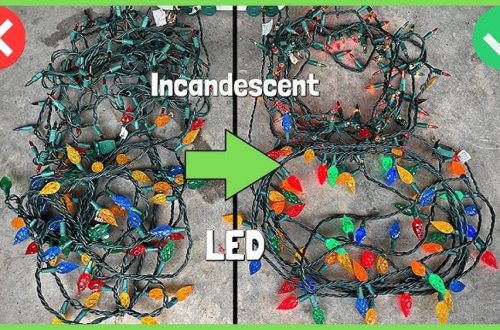
String lights come in various styles. Classic fairy lights have small, bright bulbs. Globe lights offer bigger, round bulbs for a bold look. LED lights save energy and last longer. Battery-operated lights give freedom from plugs. Choose a type that matches your room’s vibe and your power options.
Length And Power Options
Measure your wall space before buying lights. Lights come in short or long lengths. Longer strings suit bigger walls or outdoor areas. Check the power source: plug-in lights need nearby outlets. Battery-powered lights work well for small spaces or places without sockets. Plan the length and power to avoid extra cords or dark spots.
Outdoor Vs Indoor Lights
Outdoor lights resist weather like rain and wind. They have strong, waterproof coatings. Indoor lights are lighter and less durable. Using outdoor lights inside is safe, but avoid indoor lights outdoors. Match your lights to the place you want to decorate. This keeps your lights safe and lasting longer.
Gathering Necessary Tools
Before hanging string lights on a wall, gather the right tools. Good tools make the job easier and safer. Prepare everything to avoid stops and starts during the process. Focus on tools that help hold, measure, and power your lights.
Hooks And Clips
Hooks and clips keep your string lights in place. Choose hooks that match your wall type. Plastic clips work well on smooth surfaces. Metal hooks fit better on rough walls. These tools prevent damage to walls and lights.
Measuring Tape And Ladder
Use a measuring tape to plan your light layout. Measure the wall length to know how many lights you need. A ladder helps you reach high spots safely. Make sure the ladder is stable and the right height.
Extension Cords And Timers
Extension cords extend power to your lights. Pick cords that are safe for indoor or outdoor use. Timers control when your lights turn on and off. Timers save energy and give you convenience.
Preparing The Wall Surface
Preparing the wall surface is the first step to hang string lights safely and neatly. A clean and strong wall helps the lights stay in place longer. It also prevents damage to the wall or the lights. Take some time to prepare the area well before starting the installation.
Cleaning And Drying
Start by cleaning the wall to remove dust and dirt. Use a soft cloth or sponge with mild soap and water. Avoid harsh chemicals that can harm the paint or surface. After cleaning, dry the wall completely. Moisture can prevent hooks or adhesives from sticking well.
Checking For Damage
Look closely for cracks, holes, or peeling paint. Small damages can weaken the hold of nails or hooks. Repair any damage before hanging lights. Use wall filler or spackle for holes and cracks. Let the repair dry and sand it smooth if needed.
Selecting Attachment Points
Choose strong spots to hang your lights. These can be studs, trim, or solid surfaces. Avoid weak drywall areas or loose paint spots. Measure the length of your string lights. Mark points evenly spaced to keep the lights straight and tight.
Planning Your Light Layout
Planning your light layout is the first step to hanging string lights on a wall. It helps you see how the lights will look and where to place them. A good plan saves time and avoids mistakes.
Think about the style you want and the space you have. Measure the wall to know how many lights you need. Sketch your idea on paper or use a simple app. This makes the process clear and easy.
Design Patterns
Choose a design pattern that fits your space and style. Straight lines give a clean, modern look. Zigzags add energy and movement. Loops or waves create a soft, relaxed feel. Pick a pattern that matches your mood and room.
Spacing And Alignment
Keep the spacing between lights even. This makes the display neat and balanced. Use small hooks or clips to hold the lights straight. Check alignment from different angles to ensure it looks good. Avoid big gaps or crowded spots.
Power Source Placement
Locate the power outlet near your planned layout. This avoids long cords across the room. If needed, use an outdoor extension cord for safety. Plan the cord path so it stays hidden and safe. Make sure the plug is easy to reach for switching lights on and off.
Installing The String Lights
Installing string lights on a wall transforms any space into a cozy and inviting area. It takes simple steps but requires care to avoid damage and ensure safety. Prepare your materials and follow these clear instructions for a neat setup.
Securing Hooks And Clips
Choose hooks or clips that fit your wall type and light weight. Mark spots evenly for balanced hanging. Use a pencil to make small marks. Attach hooks by pressing or screwing them into place. Clips can hold the wire without nails. Make sure each hook or clip is secure before moving on.
Hanging The Lights
Start from the plug end and gently hang the string lights on the hooks or clips. Keep the wire taut but not too tight. Avoid stretching the lights to prevent damage. Space the lights evenly for a clean look. Check that bulbs face outward to shine brightly. Adjust any loose sections as you go.
Testing Connections
Plug in the lights to test the connection. Look for any flickering or dark bulbs. If issues appear, unplug and check each bulb or connection point. Replace faulty bulbs carefully. Confirm the plug fits well in the outlet. Testing early avoids surprises during use.
Safety Tips And Maintenance
Safety and maintenance are key when hanging string lights on a wall. Proper care helps prevent accidents and keeps lights working longer. Simple steps make your setup safe and durable.
Avoiding Overloads
Do not connect too many light strands together. Overloading causes wires to heat up and may start a fire. Check the manufacturer’s limit on the number of strands. Use a power source that matches the lights’ voltage needs.
Weatherproofing Techniques
Use outdoor-rated string lights for outside walls. Cover plugs and connections with waterproof tape or boxes. Keep lights away from water pools and heavy rain areas. Seal gaps where moisture could enter. Proper weatherproofing stops damage and shorts.
Regular Inspection
Look over your string lights often. Check for frayed wires, broken bulbs, or loose connections. Replace damaged parts immediately. Clean lights gently to remove dirt and dust. Regular checks keep your lights safe and bright.
Creative Decorating Ideas
String lights on walls do more than just brighten a room. They create moods, highlight spaces, and add charm. Using creative ideas makes your space unique and inviting. Here are some ways to decorate with string lights creatively.
Combining With Other Decor
Pair string lights with photos or artwork for a cozy feel. Hang lights around mirrors to add glow and depth. Use clips to attach postcards or notes to the light string. This mix turns your wall into a personal gallery. Adding plants near the lights brings life and softness. The lights highlight leaves and create gentle shadows.
Seasonal Themes
Change your string lights to match the season. Use warm white lights for autumn to create a snug space. Bright, colorful lights work well for summer fun. Add small themed ornaments like snowflakes or pumpkins along the string. This simple swap refreshes your room without much effort. Seasonal decorating keeps your space lively and fresh.
Using Color And Light Effects
Choose string lights with different colors for an exciting look. Mix cool blues and purples for a calm, dreamy vibe. Warm reds and oranges add energy and warmth. Use lights with dimmers or timers to control brightness. Flickering or twinkling lights bring dynamic movement. Color and light effects turn plain walls into eye-catching displays.
Frequently Asked Questions
How Do I Hang String Lights Without Damaging Walls?
Use adhesive hooks or removable wall clips to avoid holes. These options support lights securely and peel off without damage, preserving your wall’s surface.
What Is The Best Way To Space String Lights On Walls?
Space lights evenly, about 12 to 18 inches apart. This ensures balanced illumination and an attractive, uniform look on your wall.
Can I Hang String Lights Outdoors On A Wall?
Yes, use weatherproof string lights and outdoor-rated hooks. Ensure all electrical components are rated for outdoor use to prevent damage and hazards.
How Do I Hide The Wires Of String Lights On Walls?
Tuck wires into cord covers or use clear adhesive clips. This keeps wires neat, safe, and less noticeable for a cleaner appearance.
Conclusion
Hanging string lights on a wall adds warmth and charm to any space. Choose the right tools and follow simple steps for a neat look. Take your time to plan the layout before starting. Secure the lights carefully to avoid damage or accidents.
Enjoy the cozy glow that brightens your room or outdoor area. With patience and care, your string lights will shine beautifully every night. Easy to do and fun to see—string lights make any place feel special.