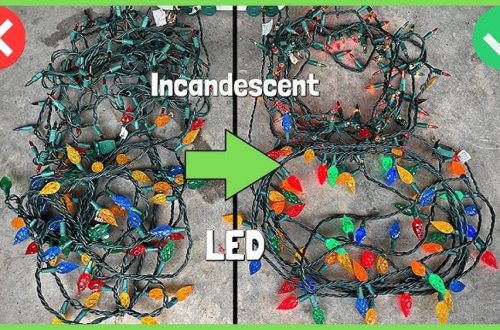
Have you ever untangled your string lights only to find some bulbs not working? It’s frustrating when one tiny light causes the whole strand to go dark.
But don’t worry—you don’t have to guess which bulb is out or replace the entire set. You’ll learn simple, step-by-step ways to quickly find the faulty light. By the end, you’ll save time, money, and enjoy your glowing decorations without the hassle.
Keep reading to discover easy tricks that anyone can use!
Spotting The Faulty Bulb
Spotting the faulty bulb in string lights is key to fixing the whole set. A single bad bulb can stop many from lighting up. Finding it fast saves time and effort. Use simple checks to find the broken bulb quickly. These checks do not need special tools or skills.
Visual Inspection Tips
Start by looking closely at each bulb. Check for cracks or broken glass. A bulb that looks damaged often causes failure. Also, see if the bulb is dark or burnt out. Sometimes, a bulb may look fine but still be bad. Still, this step helps spot obvious problems fast.
Checking For Discoloration
Look for color changes on the bulbs or sockets. A bulb that has black or brown marks may be faulty. Discoloration means the bulb has overheated or burned out. Compare bulbs to find any that look different. This method narrows down which bulb to test or replace.
Identifying Loose Connections
Gently wiggle each bulb to check for loose fits. Loose bulbs may fail to light even if they are not broken. A bulb not tightly in place can cause the whole string to stop working. Push bulbs firmly but carefully back into their sockets. This simple step can fix many lighting problems.
Using A Light Tester
Using a light tester is a simple way to find the broken bulb in string lights. It saves time and avoids guesswork. A light tester checks the flow of electricity in each bulb. It shows if a bulb is bad or good without removing it. This tool is handy during the holiday season or any time you use string lights.
Types Of Light Testers
There are a few types of light testers for string lights. The most common one is the plug-in tester. You plug it into the outlet, then touch the tester to each bulb. It tells you if the bulb works or not.
Another type is the handheld tester with probes. It works on batteries and has two tips. You touch the tips to the bulb’s metal parts. The tester shows if current flows through the bulb.
Some testers have lights that glow or beep to show a bad bulb. Others have a small screen that gives more details. Choose the tester that fits your string lights and your budget.
Step-by-step Testing Process
First, plug in the string lights and turn them on. Make sure the tester is ready with batteries or power.
Next, touch the tester’s tip to the metal base of the first bulb. Watch for a light or beep from the tester. If it signals a problem, this bulb might be bad.
Move the tester along the string, testing each bulb one by one. Take your time to check all bulbs carefully.
If the tester shows all bulbs are good, the problem may be in the wiring. Check the cord and plug next.
Replace any bad bulbs with the correct type for your string lights. Test again to confirm the fix.
Replacing The Burned-out Bulb
Replacing the burned-out bulb on string lights is simple with the right steps. It keeps your lights bright and festive. Follow these tips to replace bulbs safely and correctly.
Choosing The Right Bulb
Pick a bulb that matches the size and type of your string lights. Use bulbs made for your light set. Check the voltage and wattage to avoid damage. Using the wrong bulb can cause flickering or break the whole string.
Safe Removal Techniques
Turn off and unplug the lights before starting. Gently twist or pull the old bulb out. Avoid using force to prevent breaking the bulb or socket. Wear gloves to protect your hands from broken glass. Dispose of the old bulb properly to avoid injury.
Proper Installation
Insert the new bulb firmly into the socket. Make sure it is secure but do not force it. Check the bulb fits evenly with the others. After installation, plug the lights back in and test them. Proper installation keeps your lights working well and safe.
Preventing Future Outages
Preventing future outages in string lights helps keep your decorations bright. Small problems can cause bulbs to go out. Regular care and smart storage extend the life of your lights. Save time and avoid frustration with these easy steps.
Regular Maintenance Tips
Check your string lights before each use. Look for broken or loose bulbs. Replace any damaged bulbs quickly. Clean the bulbs gently with a dry cloth. Avoid using water or cleaners. Inspect the wires for cracks or damage. Tighten any loose connections carefully. Test the lights in small sections. This helps find issues early. Store a few spare bulbs for quick fixes.
Storing String Lights Correctly
Store lights in a cool, dry place. Avoid areas with extreme heat or cold. Coil the lights loosely to prevent wire damage. Use a spool or a piece of cardboard for wrapping. Keep bulbs from touching or pressing against each other. Place lights in a sealed container or bag. This keeps dust and moisture away. Label your lights to find them easily next season. Proper storage reduces wear and tear. It also prevents tangles and broken bulbs.
Quick Fixes For Common Issues
String lights can stop working for simple reasons. These quick fixes often solve the problem fast. No need to throw them away or buy new ones. Try these easy steps to get your lights shining again.
Fixing Loose Wires
Loose wires cause many string light problems. Check each bulb socket for loose connections. Gently push the bulbs back in place. Make sure wires are tight and not broken. This can restore power to the lights.
Resetting The Fuse
String lights often have a small fuse in the plug. A blown fuse stops all lights from working. Find the fuse cover on the plug and open it carefully. Remove the old fuse and replace it with a new one. This simple step can fix the entire string.
Using Electrical Tape
Electrical tape helps secure and protect wires. Wrap tape around any exposed or broken wires. This stops short circuits and keeps the lights safe. Use tape to hold loose wires tightly together. It’s an easy and cheap fix for minor damage.
Frequently Asked Questions
How Can I Identify A Burnt-out Bulb On String Lights?
Look closely for bulbs that do not light up or appear dark. Check if the filament inside is broken or blackened. Using a bulb tester can help pinpoint the faulty bulb quickly without removing each one.
What Tools Help Find Which String Light Bulb Is Out?
A bulb tester or a multimeter is ideal for detecting burnt-out bulbs. These tools measure electrical flow and identify bulbs that fail to conduct current. They save time compared to manual inspection of each bulb.
Can Replacing One Bulb Fix The Entire String Light?
Yes, often one burnt-out bulb disrupts the whole string. Replacing the faulty bulb restores the electrical circuit, making all lights glow again. Always use the correct bulb type recommended by the manufacturer.
Why Do Some Bulbs Stay Unlit While Others Glow?
A burnt-out bulb breaks the electrical circuit, causing adjacent bulbs to go dark. Loose or damaged sockets can also cause some bulbs to fail. Inspect bulbs and sockets carefully for damage or poor connections.
Conclusion
Finding the broken light on string lights does not have to be hard. Test each bulb one by one to spot the problem. Use a bulb tester or swap bulbs to check quickly. Keep a few spare bulbs handy for easy replacement.
Fixing the light brings the whole string back to life. Enjoy your bright, glowing lights again with simple steps. Save time and avoid frustration by knowing these tips. Your decorations will shine perfectly every time you try.