Are you wondering how many watts a string of Christmas lights uses? Knowing this can help you save on your electricity bill and choose the right lights for your home.
Whether you’re decorating a small tree or lighting up your entire house, understanding the power consumption is key. Keep reading to find out exactly how much energy your Christmas lights use and simple tips to make your holiday decorations both bright and efficient.
Types Of Christmas Lights
Christmas lights come in many types. Each type uses different power amounts. Knowing the types helps you choose the best lights for your home.
Incandescent Lights
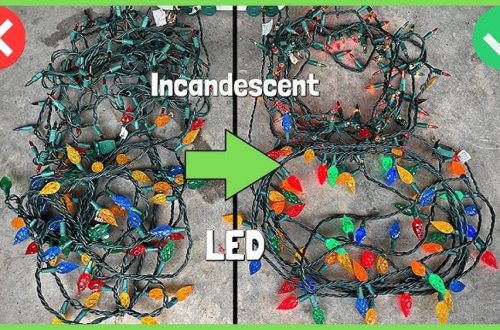
Incandescent lights are the traditional choice. They use small bulbs that glow warm yellow. Each bulb uses about 5 watts of power. These lights are bright but consume more electricity. They also get hot when turned on.
Led Lights
LED lights are modern and energy-saving. Each bulb uses less than 1 watt. They last longer than incandescent bulbs. LED lights stay cool and use less power. These lights come in many colors and styles.
C7 And C9 Bulbs
C7 and C9 bulbs are larger than regular bulbs. C7 bulbs use about 5 watts each. C9 bulbs use about 7 watts each. These lights are popular for outdoor decorations. They give a classic look and are very bright.
Wattage Basics
Understanding the wattage of Christmas lights helps in choosing the right set for your home. Wattage shows how much power the lights use. Knowing this helps you save energy and avoid overloads on your electrical system.
Different lights use different amounts of watts. Some use very little, while others use more. This section explains the basics of watts and how they relate to energy use in Christmas lights.
What Is A Watt?
A watt measures electrical power. It tells how much energy a device uses each second. One watt equals one joule of energy per second. The higher the watt number, the more energy the device needs.
For Christmas lights, wattage shows the strength of the light and its energy demand. This number helps compare different sets of lights. It also helps estimate your electricity cost.
Wattage And Energy Use
Wattage affects your electricity bill. Lights with higher watts use more power and cost more to run. Lower watt lights save energy and money.
LED Christmas lights use fewer watts than traditional bulbs. They give bright light with less power. Choosing low-watt lights is better for long hours of decoration.
Check the wattage on the light package. Multiply watts by hours used to find total energy used. This helps you understand the impact on your electricity bill.
Wattage Of Different Light Strings
Understanding the wattage of Christmas light strings helps you manage electricity use. Different types of light strings use different amounts of power. This affects your energy bill and how many lights you can safely connect.
Typical Incandescent String Wattage
Incandescent light strings usually use more power. A standard 100-bulb string can draw about 40 to 60 watts. Each bulb may use around 0.4 to 0.6 watts. These lights run hot and consume more electricity.
Typical Led String Wattage
LED light strings use much less power. A 100-bulb LED string often uses only 7 to 10 watts. Each LED bulb may consume about 0.07 to 0.1 watts. LEDs stay cool and are energy-efficient for long use.
Comparing Wattage Across Types
Incandescent strings use roughly 5 to 6 times more power than LEDs. Choosing LED lights cuts electricity use and reduces heat risks. This difference matters for large displays or extended lighting hours.
Calculating Total Wattage
Calculating the total wattage of your Christmas lights helps manage electricity use. It shows how much power the string consumes. This knowledge can prevent overloads and save energy costs. You need just a few simple steps to find the total wattage.
Counting Bulbs In A String
First, count the number of bulbs on the string. Check the whole length for all bulbs. This number is the base for your calculation. Write it down or keep it in mind.
Wattage Per Bulb
Next, find out the wattage of each bulb. Look for this info on the packaging or bulb base. Most bulbs use between 0.5 to 5 watts each. LED bulbs tend to use less power than traditional ones.
Estimating Total Consumption
Multiply the number of bulbs by the wattage per bulb. This gives the total wattage for the string. For example, 50 bulbs at 0.5 watts equal 25 watts total. This simple math helps plan power needs and safety measures.
Energy Efficiency Tips
Saving energy during the holiday season helps reduce your electric bill. It also lowers your home’s carbon footprint. Small changes in how you use Christmas lights make a big difference. These energy efficiency tips keep your home bright and your costs low.
Choosing Led Over Incandescent
LED lights use much less power than incandescent bulbs. They last longer and stay cooler. This means safer decorations and fewer bulb replacements. Switching to LED strings cuts energy use by up to 80 percent.
Using Timers And Sensors
Timers turn lights off automatically after set hours. Sensors can detect daylight and stop lights from running during the day. These tools prevent wasting electricity and give you control without extra effort.
Reducing Usage Safely
Turn off lights when no one is home or during sleep. Use fewer strings in less visible areas. Grouping lights on one circuit helps manage power load safely. These habits keep energy use down and decorations enjoyable.
Safety And Electrical Considerations
Safety is key when using Christmas lights. Knowing how many watts a string of lights uses helps prevent electrical problems. It also protects your home and family from fire risks. Follow simple rules to keep your decorations safe and bright.
Avoiding Overloads
Each string of lights uses a certain number of watts. Adding too many strings on one outlet can cause overloads. Overloads can trip breakers or start fires. Check the wattage on the packaging before plugging in. Use no more than the recommended number of strings on one outlet.
Proper Wiring And Extensions
Use wires and extension cords rated for the lights’ power needs. Thin or old cords can overheat. Avoid running cords under rugs or through doorways. Keep cords dry and away from heat sources. Secure cords to prevent tripping hazards.
Outdoor Vs Indoor Use
Lights made for indoor use are not safe outside. Outdoor lights have special coatings to resist weather. Outdoor plugs have covers to keep moisture out. Always use lights and cords labeled for outdoor use outside. This prevents shocks and electrical shorts.
Cost Implications
Understanding the cost implications of using Christmas lights helps plan your holiday budget. The wattage of each string affects your electricity bill. Different types of lights use different amounts of power. Choosing the right lights can save money over time. Let’s explore how these costs add up and ways to reduce them.
Electricity Cost Estimates
Each string of Christmas lights uses a certain number of watts. For example, traditional incandescent strings use about 40 to 60 watts. LED strings use much less, around 5 to 10 watts. Running lights for several hours daily increases electricity use. The cost depends on your local electricity rate. For instance, at $0.12 per kilowatt-hour, a 60-watt string running 5 hours daily costs about 11 cents per day. Over 30 days, that adds up to $3.30. Using multiple strings can raise the total cost quickly.
Long-term Savings With Leds
LED lights use much less power than incandescent bulbs. This cuts down your electricity costs significantly. LEDs also last longer, reducing replacement expenses. They stay cool, which lowers fire risks and energy waste. Investing in LED strings pays off over several holiday seasons. You spend less on electricity and buying new lights. This makes LED lights a smart, budget-friendly choice for decorating.
Frequently Asked Questions
How Many Watts Does A Typical String Of Christmas Lights Use?
A typical string of Christmas lights uses between 40 to 100 watts. LED strings consume less power, around 5 to 15 watts. Wattage depends on the bulb type, length, and number of bulbs on the string.
What Factors Affect Christmas Lights’ Wattage Consumption?
Wattage depends on bulb type, string length, and bulb count. LED lights use less power than incandescent bulbs. Longer strings with more bulbs consume more watts. Power efficiency varies widely with design and technology used.
Can Led Christmas Lights Reduce Energy Consumption?
Yes, LED lights use 70-90% less energy than incandescent bulbs. They last longer and generate less heat. LEDs are more efficient, saving money on electricity bills. They are an eco-friendly option for holiday decorating.
How To Calculate Total Wattage For Multiple Light Strings?
Multiply the wattage of one string by the number of strings. For example, 50-watt string x 4 strings = 200 watts total. Always check the label for accurate wattage information. This helps estimate energy usage and costs.
Conclusion
Knowing the watts in a string of Christmas lights helps save energy and money. Different lights use different power amounts. LED lights use less energy than old bulbs. Always check the label for exact watts. This way, you avoid overloading your outlets.
It makes decorating safer and smarter. Bright lights do not always mean high power use. Choose the right lights for your home and budget. Enjoy your holiday decorations without worry or extra cost. Simple steps lead to brighter, safer celebrations.