Have you ever wondered how much power your string of Christmas lights uses? You’re not alone.
When those beautiful lights sparkle around your home, it’s easy to forget they’re drawing electricity. But understanding exactly how much power they consume can help you save on your energy bill and make smarter choices this holiday season. You’ll discover simple facts about Christmas lights and learn practical tips to keep your decorations bright without shocking your wallet.
Keep reading to find out how your festive glow really adds up!
Types Of Christmas Lights
Christmas lights come in different types, each with unique features. Choosing the right type affects how much power your lights use. Understanding these types helps you save energy and enjoy your decorations.
Incandescent Bulbs
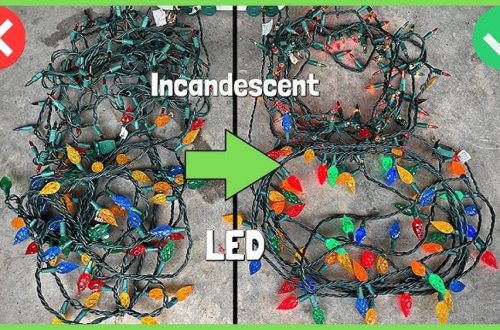
Incandescent bulbs are the classic choice. They use a filament that heats up to produce light. These bulbs consume more electricity than newer types. They also get hot and can burn out quickly. Many people like their warm glow despite the higher power use.
Led Bulbs
LED bulbs are popular for their energy efficiency. They use light-emitting diodes to produce bright light. These bulbs use much less power than incandescent ones. LEDs last longer and stay cool to the touch. They come in many colors and shapes, making them versatile.
Smart Lights
Smart lights connect to your phone or smart home system. You can control brightness, color, and timing easily. These lights often use LED technology, keeping power use low. Smart controls help reduce electricity by turning lights off automatically. They add convenience and energy savings.
Power Consumption Basics
Understanding how much power Christmas lights use helps manage electricity costs. It also helps pick the right lights for your home. Power consumption depends on the bulbs and the total number in a string. Knowing these basics makes decorating easier and safer.
Wattage Per Bulb
Each bulb uses a certain amount of watts. Traditional incandescent bulbs use about 5 to 7 watts each. LED bulbs use much less, usually around 0.05 to 0.1 watts. Lower wattage means less energy used and lower electricity bills.
Total Wattage For A String
The total wattage equals the wattage per bulb times the number of bulbs. For example, a string of 100 incandescent bulbs at 5 watts each uses 500 watts. A string of 100 LED bulbs at 0.1 watts each uses just 10 watts. This shows why LED lights are more energy-efficient.
Comparing Energy Use
Understanding the energy use of Christmas lights helps in choosing the right type. Different lights use different amounts of power. This affects your electricity bill and the environment.
Comparing energy use shows which lights save more energy and money. It also explains how color and brightness change power needs.
Incandescent Vs Led
Incandescent lights use more electricity than LED lights. A string of 100 incandescent bulbs can use about 40 watts. The same number of LED bulbs might use only 6 watts.
LED lights last longer and stay cooler. They need less power to shine bright. Incandescent bulbs burn out faster and waste more energy as heat.
Impact Of Light Color And Brightness
Bright lights need more power than dim ones. White lights often use more energy than colored lights. Colors like red or green may require less electricity.
LED bulbs keep colors bright without using a lot of energy. Changing brightness settings can also reduce power use. Dimming lights lowers electricity consumption.
Calculating Energy Costs
Calculating the energy cost of your Christmas lights helps manage your electricity bill. Knowing the power use lets you plan how long to keep the lights on. It also helps compare LED lights with traditional ones. This section explains how to estimate daily use and figure out monthly and seasonal costs.
Estimating Daily Usage
First, check the wattage of your string lights. This is usually on the packaging or the bulb. Multiply the wattage by how many hours you run the lights each day. For example, 50 watts used for 5 hours means 250 watt-hours daily. Convert watt-hours to kilowatt-hours by dividing by 1,000. So, 250 watt-hours equals 0.25 kilowatt-hours per day.
Monthly And Seasonal Costs
To find the monthly cost, multiply daily kilowatt-hours by the number of days used. Then multiply by your electricity rate, usually cents per kilowatt-hour. For example, 0.25 kWh daily times 30 days equals 7.5 kWh per month. At 12 cents per kWh, this costs about 90 cents per month. For the entire season, multiply monthly cost by the number of months you use the lights. This gives a clear estimate of your holiday energy expenses.
Energy-saving Tips
Saving energy with Christmas lights helps lower your electricity bill. It also reduces environmental impact. Small changes can make a big difference in power use. Follow these easy tips to keep your holiday bright and efficient.
Using Timers And Sensors
Timers turn lights off automatically after a set time. They prevent lights from running all night. Sensors switch lights on only when it is dark. This avoids wasting power during daylight. Both tools save energy without losing the festive mood.
Choosing Efficient Lights
LED lights use far less power than traditional bulbs. They last longer and stay cool to touch. Look for LED Christmas lights to cut energy use by up to 80%. They come in many colors and styles. Bright and beautiful with low electricity cost.
Proper Setup And Maintenance
Place lights where they are most visible to avoid extra strands. Check for broken bulbs and replace them quickly. Clean lights before use to keep them bright. Use the right extension cords and avoid overloading outlets. Good care keeps lights working well and saves power.
Environmental Impact
Holiday lights create a magical atmosphere but they also affect the environment. Using many lights increases energy use. This leads to more pollution and greenhouse gases. Understanding the environmental impact helps us make better choices for the planet.
Carbon Footprint Of Holiday Lights
Holiday lights use electricity, often from fossil fuels. This creates carbon dioxide, a gas that warms the Earth. The longer and brighter the lights, the bigger the carbon footprint. Traditional incandescent bulbs use more power than LED lights. LEDs can cut energy use by up to 80%. This lowers the carbon footprint significantly. Choosing energy-efficient lights reduces pollution and saves money.
Sustainable Alternatives
Eco-friendly options help reduce environmental harm. Solar-powered lights use sunlight, not electricity from the grid. They work well in sunny areas and save energy. LED lights last longer and use less power. Using timers to turn lights off saves even more energy. Reusing decorations also limits waste. These small changes add up to a big difference for the planet.
Frequently Asked Questions
How Much Electricity Do Christmas Lights Consume?
A typical string of 100 incandescent Christmas lights uses about 40 to 60 watts. LED strings consume significantly less, around 7 to 10 watts. Energy use varies by bulb type, length, and brightness. LED lights offer a more energy-efficient option for holiday decorating.
Are Led Christmas Lights More Energy Efficient?
Yes, LED Christmas lights are much more energy efficient than incandescent bulbs. They use up to 80-90% less electricity. LEDs also last longer and generate less heat. This makes them cost-effective and safer for extended holiday use.
How To Calculate Power Usage Of Christmas Lights?
To calculate power usage, multiply the number of bulbs by wattage per bulb. For example, 100 bulbs at 0. 4 watts each equal 40 watts total. Multiply watts by hours used, then divide by 1,000 for kilowatt-hours (kWh). This helps estimate electricity costs precisely.
Does String Length Affect Christmas Lights Power Use?
Yes, longer strings with more bulbs consume more power. Each additional bulb adds to total wattage. However, LED strings remain more efficient even when extended. Always check the wattage rating to understand energy consumption better.
Conclusion
Knowing how much power your Christmas lights use helps save energy and money. Different types of lights use different amounts of electricity. LED lights usually use less power than traditional bulbs. Choosing energy-efficient lights lowers your electric bill. Also, turning lights off when not needed cuts power use.
Small changes make a big difference during the holiday season. Enjoy your decorations without worrying about high energy costs. Bright lights, smart choices.