Are you tired of finding your bathroom rug soaked and smelling unpleasant? When your cat keeps peeing on your bathroom rug, it can be frustrating and stressful.
But don’t worry—you’re not alone, and there are simple steps you can take to stop this behavior for good. You’ll discover easy and effective solutions that protect your home and keep your furry friend happy. Keep reading, because the answer to your problem is closer than you think.
Why Cats Pee Outside The Litter Box
Cats peeing outside the litter box is a common problem for many pet owners. Understanding why this happens helps solve it faster. Cats do not do this to annoy you. They have reasons that come from health, feelings, or their environment. Knowing these reasons can stop your cat from peeing on your bathroom rug.
Health Issues To Consider
Sometimes, cats pee outside the box because they feel pain. Urinary tract infections make peeing hurt. Kidney problems can cause more frequent urination. Diabetes also leads to more trips to the bathroom. A sick cat may not reach the litter box in time. Seeing a vet is important to rule out health issues.
Stress And Anxiety Factors
Cats are sensitive to changes around them. New pets or people can make them anxious. Loud noises or moving house can cause stress. Stress can make cats mark their territory with urine. A stressed cat might avoid the litter box. Creating a calm space helps reduce anxiety.
Litter Box Preferences
Cats can be picky about their litter box. They dislike dirty or smelly boxes. The type of litter matters; some prefer soft, clumping types. The box location is also important. Cats want privacy and quiet when they go. A small or covered box may feel cramped. Changing litter or box style can improve use.
Choosing The Right Bathroom Rug
Choosing the right bathroom rug plays a big role in stopping cats from peeing on it. Some rugs attract cats more than others. Picking the best rug helps keep your bathroom clean and fresh. This section explains what to consider when choosing a bathroom rug.
Material Matters
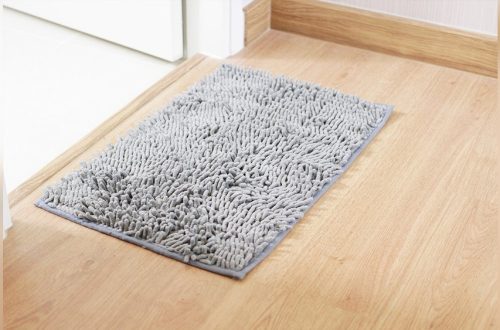
Rugs made of natural fibers often absorb urine quickly. This can cause stains and bad smells. Synthetic materials like polyester resist liquids better. They dry faster, making them less inviting for cats to pee on. Rugs with tightly woven fabric are harder for cats to soak through. Avoid plush or fluffy rugs that trap moisture easily. The right material keeps your rug cleaner longer and discourages cats from using it as a bathroom.
Easy-to-clean Options
Choose rugs that are simple to wash. Machine-washable rugs save time and effort. Rugs with waterproof backing prevent urine from reaching the floor. This stops odors from spreading. Quick-dry rugs reduce the chance of mold and mildew. A rug that cleans well stays fresh and less attractive to cats. Cleaning becomes easier and more effective, helping to stop accidents on the rug.
Cleaning Techniques To Remove Odors
Removing the smell of cat urine is key to stopping repeat accidents. Cats return to spots that still smell like urine. Cleaning the bathroom rug well removes these odors. This helps keep your cat away from that area. Use safe and effective cleaning methods for best results.
Using Enzymatic Cleaners
Enzymatic cleaners break down the chemicals in cat urine. They remove the source of the smell, not just cover it. Apply the cleaner directly to the stained area. Let it sit for the time on the label. This gives enzymes time to work on the urine. Rinse the rug with water after cleaning. These cleaners help stop cats from peeing again.
Avoiding Harsh Chemicals
Harsh chemicals can irritate your cat’s nose and skin. They may not fully remove urine odors. Avoid bleach, ammonia, or strong detergents on rugs. These smells can attract cats or make them anxious. Use gentle, pet-safe cleaners instead. This keeps your cat comfortable and safe. It also protects your rug’s fabric and colors.
Deterring Cats From The Rug
Stopping cats from peeing on the bathroom rug needs patience and smart steps. Cats avoid places that feel strange or unpleasant. Changing the rug’s appeal helps keep cats away. Simple methods can make a big difference in their behavior.
Natural Repellents
Strong smells often drive cats away. Citrus scents like lemon or orange peel work well. Cats dislike the sharp smell. Vinegar diluted with water can spray the rug safely. Lavender and rosemary oils also help, but use a small amount. These smells keep cats from approaching the rug.
Physical Barriers
Block the rug with objects cats do not like. Place aluminum foil or double-sided tape on the rug. Cats dislike sticky or noisy surfaces. Use baby gates to close the bathroom door. This stops cats from reaching the rug at all. Barriers create a clear no-go zone for cats.
Improving Litter Box Appeal
Improving the litter box appeal helps stop cats from peeing on bathroom rugs. Cats choose spots based on comfort and cleanliness. Making the litter box inviting encourages your cat to use it consistently. Small changes can make a big difference.
Location And Accessibility
Place the litter box in a quiet, easy-to-reach area. Avoid noisy or busy spots that scare your cat. Keep it away from food and water bowls. Make sure your cat can enter and exit without obstacles. Accessibility helps your cat feel safe and comfortable.
Regular Cleaning Habits
Clean the litter box daily to remove waste. Cats prefer fresh and odor-free spaces. Change the litter completely at least once a week. Wash the box with mild soap and water regularly. Cleanliness reduces smells and keeps your cat happy.
Behavioral Training Tips
Behavioral training helps stop cats from peeing on bathroom rugs. Cats learn best through clear signals and rewards. Patience is key during training. Small changes in your cat’s routine can make a big difference.
Focus on teaching your cat what behavior you want. Avoid punishment, which can cause fear or stress. Use kindness and consistency to guide your cat to better habits.
Positive Reinforcement
Give your cat treats or praise after using the litter box. This shows your cat which behavior is good. Reward your cat right away, so it connects the action with the treat. Use soft words and gentle petting as rewards too. This helps build trust and encourages good habits.
Try to catch your cat going to the litter box naturally. Reward often in the beginning to reinforce the habit. Change the type of treat if your cat loses interest. Consistent rewards help your cat remember what is expected.
Redirecting Unwanted Behavior
When your cat heads to the bathroom rug, gently move it to the litter box. Do this calmly to avoid stress. You can also use toys to distract your cat from the rug. Playtime near the litter box can make it more inviting.
Keep the bathroom rug clean and dry. Cats avoid dirty areas but may return to the rug if it smells like urine. Place a clean towel or mat that your cat likes near the litter box. This can guide your cat to the right spot.
Try blocking access to the bathroom rug for a while. Use a baby gate or close the door. This prevents accidents and helps your cat learn new habits. Patience and gentle redirection will improve behavior over time.
When To Consult A Veterinarian
Sometimes, cats pee on bathroom rugs because of health problems. This behavior can signal pain or discomfort. Knowing when to seek help from a vet is important. Early action can protect your cat’s health and keep your home clean.
Signs Of Medical Problems
Watch for frequent urination or blood in the urine. Your cat may cry while peeing or lick the private area a lot. Strong smell or accidents outside the litter box can mean illness. These signs need a vet’s check right away.
Behavioral Specialists
If the vet finds no health issues, a behavior specialist can help. Stress, changes at home, or conflicts with other pets cause this habit. Specialists suggest ways to reduce stress and change habits. They guide you on creating a calm space and proper litter box use.
Frequently Asked Questions
Why Do Cats Pee On Bathroom Rugs?
Cats may pee on bathroom rugs due to stress, territorial marking, or litter box issues. Rugs often retain scents, attracting repeat marking. Identifying the cause helps in addressing the behavior effectively and preventing future accidents.
How Can I Stop Cats From Peeing On Rugs?
Clean rugs thoroughly with enzymatic cleaners to remove odors. Provide a clean litter box, reduce stress, and use deterrents like double-sided tape. Consistency and patience are key to changing this behavior successfully.
What Cleaning Products Remove Cat Urine Odor Effectively?
Use enzymatic cleaners specifically designed for pet urine. These break down urine molecules and neutralize odors. Avoid ammonia-based cleaners, which can worsen the problem by attracting cats back to the spot.
Can Changing The Litter Box Prevent Rug Peeing?
Yes, regular cleaning and using unscented, clumping litter can help. Ensure the litter box is in a quiet, accessible location. Some cats prefer multiple boxes, reducing accidents outside the box.
Conclusion
Stopping cats from peeing on your bathroom rug takes patience and care. Clean the area well to remove smells. Use a good cat litter box and keep it clean. Try placing a mat that cats do not like. Watch your cat’s health and behavior closely.
Small changes can bring big results. Your home will feel fresher and more comfortable soon. Keep trying different ideas until you find what works best. Cats can learn new habits with gentle guidance.