Have you ever wondered how those tiny LED string lights create such a magical glow around your home or garden? Whether you use them for cozy nights, festive celebrations, or just to add a touch of charm, understanding how LED string lights work can help you make smarter choices and get the most out of them.
You’ll discover the simple science behind these lights, how they use less energy, and why they last so long. Stick with me, and by the end, you’ll see your string lights in a whole new light—literally!
Basics Of Led Technology
LED string lights use light-emitting diodes to produce light. These diodes convert electricity into light in a very efficient way.
LEDs use less power than traditional bulbs. They last much longer and stay cool to the touch. This makes them perfect for decorations and daily use.
What Makes Leds Different
LEDs are tiny chips made from semiconductor material. When electricity flows through, they emit light. This process is called electroluminescence.
They do not use a filament like old bulbs. No filament means less heat and less energy loss. LEDs produce bright light with very little power.
They can also come in many colors without filters. This is because the light color depends on the semiconductor material.
Components Of Led String Lights
LED string lights include several parts. The main parts are the LED bulbs, wiring, and power source.
The bulbs are the small LED chips covered by plastic or glass. The wiring connects all LEDs and carries electricity.
A power source, usually a plug or battery pack, supplies energy. Some strings have a controller to change light patterns and brightness.
Each part works together to create a safe, bright, and colorful light display.
How Led String Lights Operate
LED string lights are popular for decoration and lighting. Their operation is simple but smart. Understanding how they work helps appreciate their efficiency and brightness.
These lights use small LED bulbs connected by wires. Each bulb lights up when electricity passes through it. Let’s explore the details of their operation.
Electricity Flow And Light Emission
Electricity flows through the wires to each LED bulb. The bulbs are made of tiny chips called semiconductors. When electricity reaches these chips, it excites the electrons inside.
Excited electrons release energy as light. This process is called electroluminescence. LED bulbs produce light without heating up much. This makes them energy-efficient and safe to use.
Role Of Circuit Design
Circuit design controls how electricity moves through the string. LEDs can be arranged in series or parallel circuits. Series circuits mean the current flows through each bulb one after another.
In parallel circuits, each bulb gets its own electricity path. This design helps if one bulb goes out, the others stay lit. Circuit design also limits the current to protect the LEDs.
Small resistors are placed in the circuit to control voltage. This prevents bulbs from burning out. Good design ensures long-lasting and steady light from the string.
Types Of Led String Lights
LED string lights come in many types. Each type fits different needs and places. Understanding these types helps you pick the best one for your space and style.
Some string lights are made for inside use, while others handle outdoor weather well. You will also find many colors and shapes. These options make LED string lights a great choice for any setting.
Indoor Vs Outdoor Options
Indoor LED string lights are designed for dry, protected places. They use less power and shine softly. These lights add warmth to rooms, parties, or events.
Outdoor LED string lights are stronger and weatherproof. They resist rain, wind, and sun. These lights work well for gardens, patios, and porches. Many have special coatings to avoid damage.
Choosing the right type keeps your lights safe and long-lasting. Always check the label for indoor or outdoor use before buying.
Color And Style Variations
LED string lights come in many colors. You can find white, warm yellow, red, blue, green, and multi-color options. Each color creates a different mood and look.
Styles vary from tiny fairy lights to larger globe bulbs. Some have shapes like stars or hearts. You can also find lights with steady glow or blinking patterns.
Mixing colors and styles lets you create a unique decoration. This variety makes LED string lights fun and flexible for any event or space.
Energy Efficiency And Lifespan
LED string lights offer excellent energy efficiency and a long lifespan. These features make them ideal for decorating homes and outdoor spaces. They use less power and last much longer than traditional bulbs. This saves money on electricity bills and replacement costs.
Understanding how LED string lights consume power and what affects their durability helps in choosing the best option. Below are key points about their energy use and lifespan.
Power Consumption Compared
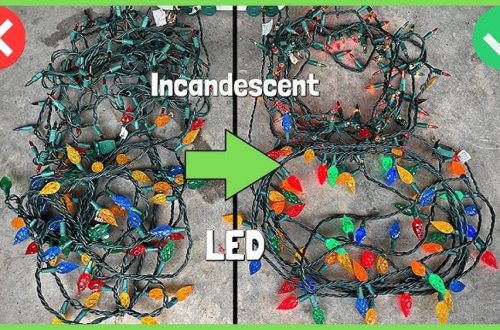
LED string lights use very little electricity. They consume about 75% less power than incandescent bulbs. This low power use helps reduce energy bills. LED lights convert most energy into light, not heat. This makes them more efficient and cooler to touch. The lower power need means they can run longer on the same electricity.
Durability Factors
LED string lights last much longer than traditional bulbs. Their lifespan often exceeds 25,000 hours. This is because LEDs have no filaments to break. They are also resistant to shock and vibration. The plastic casing protects LEDs from damage. These lights handle outdoor weather well, including rain and wind. Good quality LEDs maintain brightness over time without fading.
Installation Tips
Installing LED string lights is easier than many think. Following simple tips ensures a safe and beautiful setup. Proper installation improves the lights’ lifespan and keeps your space looking great. Below are key tips for safe setup and creative decoration ideas.
Safe Setup Practices
Always check the lights for damage before use. Avoid using broken wires or bulbs. Use outdoor-rated lights if you install them outside. Secure the lights with clips or hooks, not nails or staples. Keep plugs and connectors dry and away from water. Plug lights into grounded outlets to prevent shocks. Turn off lights when not in use to avoid overheating. Use timers or smart plugs for automatic control.
Creative Decorating Ideas
Wrap LED string lights around railings or tree branches for a soft glow. Hang them in zigzag patterns on walls or ceilings to add depth. Use clear or colored lights to match your room’s theme. Combine string lights with other decor like lanterns or plants. Create a cozy reading nook by draping lights over a chair or bookshelf. Frame windows or doorways with lights to highlight architectural features.
Common Issues And Fixes
LED string lights are popular for decoration and ambiance. They are usually easy to use but sometimes face common issues. Knowing how to fix these problems helps keep your lights bright and working well.
Troubleshooting Flickering Lights
Flickering lights can be annoying and spoil the mood. This issue often happens due to loose connections or voltage problems. Start by checking if all bulbs are firmly in place. Tighten any loose bulbs gently.
Next, inspect the power source. A weak or unstable power supply causes flickering. Try plugging the lights into a different outlet. Use a surge protector to avoid power spikes.
Another cause is a damaged wire. Look for cuts or bends in the string. Replace the string if wires look broken or worn out.
Replacing Damaged Components
Damaged bulbs or wires reduce the light’s performance. Identify broken bulbs by looking for dark or missing lights. Use a replacement bulb of the same size and type.
For wires, avoid using tape or glue. It is safer to replace the whole damaged section or the entire string. This prevents short circuits or fire hazards.
Always unplug the lights before fixing or replacing parts. Handle bulbs and wires with care. This keeps you safe and extends the life of your LED string lights.
Frequently Asked Questions
How Do Led String Lights Produce Light?
LED string lights produce light through tiny semiconductor diodes. Electric current passes through these diodes, emitting bright, energy-efficient light. This process is called electroluminescence, which makes LEDs last longer and consume less power than traditional bulbs.
Why Are Led String Lights Energy Efficient?
LED string lights use less electricity because they convert most energy into light, not heat. This efficiency reduces power consumption and lowers electricity bills. Additionally, LEDs have a longer lifespan, meaning fewer replacements and less waste over time.
Can Led String Lights Work On Batteries?
Yes, many LED string lights are designed to run on batteries. Battery-powered LEDs offer portability and flexibility for indoor and outdoor use. They are ideal where power outlets are unavailable, making them perfect for decoration and events.
What Voltage Do Led String Lights Use?
Most LED string lights operate on low voltage, typically 12V or 24V DC. Low voltage improves safety, reduces electrical hazards, and allows for longer light strands. Some models include transformers to convert standard household voltage to the required low voltage.
Conclusion
LED string lights use small bulbs that need little power. They work by passing electricity through tiny chips inside each bulb. These chips create light without heating up much. This makes LED lights last longer and save energy. People use them for decoration, indoors and outdoors.
Understanding how they work helps choose the right lights. Bright, safe, and energy-smart—LED string lights shine in many ways. Simple technology, great effect. Perfect for any space needing a cozy glow.