Want to transform your outdoor space into a cozy, magical retreat? Hanging light strings outside is one of the easiest and most effective ways to do just that.
But if you’re unsure where to start or worried about safety and style, you’re in the right place. In this guide, you’ll learn simple, step-by-step tips to hang your outdoor lights like a pro. By the end, your yard or patio will be glowing with warmth and charm, ready for relaxing evenings or lively gatherings.
Let’s get your outdoor lights shining bright!
Choosing The Right Lights
Choosing the right lights is the first step to a beautiful outdoor space. The perfect string lights set the mood and brighten your area. They must match your style and last through weather changes. Consider the type, durability, and power use before buying. This ensures your lights look great and work well for a long time.
Types Of Outdoor String Lights
There are many types of string lights for outside use. Classic bulbs give a warm, cozy glow. LED bulbs are brighter and use less energy. Globe lights add charm and a vintage feel. Fairy lights are small and delicate, perfect for a subtle shine. Choose lights that fit your space and style.
Weatherproof Features
Outdoor lights must handle rain, wind, and sun. Look for weatherproof or waterproof labels on the package. Lights with sealed bulbs and strong wires last longer. Materials like plastic or coated metal resist rust. These features keep your lights safe and shining no matter the weather.
Energy Efficiency Options
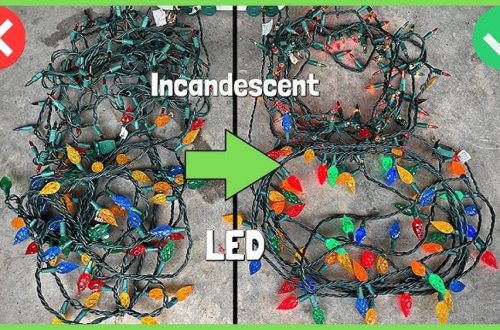
Energy-efficient lights save money on electricity bills. LED string lights use much less power than old bulbs. Solar-powered lights charge during the day and light up at night. They do not need wires or plugs. Choosing energy-saving options helps the environment and your budget.
Planning Your Layout
Planning your layout is the first step to hang light strings outdoors. It helps you use space well and create a beautiful look. Careful planning saves time and avoids problems later. Think about where you want the lights and how they will fit your area.
Good planning also makes sure the lights are safe and last longer. You can enjoy your outdoor space more with the right layout.
Measuring Your Space
Start by measuring the area where you want to hang lights. Use a tape measure to get exact lengths. Measure from wall to wall or between posts. Write down all measurements to plan the string length. This helps avoid buying too short or too long lights.
Measure the height too. This lets you know how high to hang the lights. Keep in mind any obstacles like trees or furniture.
Design Patterns To Consider
Choose a pattern that fits your space and style. Straight lines work well for fences or decks. Zigzag patterns add fun and cover more area. You can try a grid for a modern look. Or drape lights loosely for a soft, cozy feel.
Think about how the lights will shine and the mood you want. Simple designs often look best and are easier to install.
Avoiding Common Placement Mistakes
Don’t hang lights too close to trees or plants. Heat can harm them. Avoid placing lights where they block walkways or doors. Keep cords away from water and sharp edges.
Check for power sources before you start. Use outdoor-rated extension cords and lights. Secure lights tightly to stop sagging or falling.
Gathering Tools And Materials
Gathering the right tools and materials is the first step to hang light strings outdoors. It makes the process smooth and safe. Having everything ready avoids interruptions and helps you focus on creating a beautiful setup.
Essential Hanging Supplies
Start with the light strings designed for outdoor use. They resist weather and last longer. Next, get hooks or clips to attach lights to surfaces. Use sturdy extension cords if the power source is far. You may need zip ties or twist ties to secure cables neatly. A ladder helps reach high spots safely.
Safety Equipment
Protect yourself with gloves to avoid cuts or scrapes. Wear shoes with good grip to prevent slipping. Safety glasses shield your eyes from debris or sparks. A stable ladder with rubber feet reduces the risk of falls. Check the weather forecast before starting to avoid working in bad conditions.
Optional Decorative Elements
Consider adding lanterns or paper shades for a soft glow. Use colored bulbs for a festive look. Hanging plants or fabric drapes can create a cozy atmosphere. Solar-powered stakes offer extra light without cords. Choose decorations that match your outdoor space style.
Preparing The Area
Preparing the area is a key step before hanging outdoor light strings. It makes the process safer and easier. Clear space and check all necessary elements. This preparation helps avoid problems while installing lights.
Clearing Obstacles
Start by removing items that block the area. Move furniture, garden tools, and plants out of the way. Make sure there is a clear path to hang the lights. This prevents accidents and damage to objects.
Checking Power Sources
Identify where you will plug in the lights. Look for outdoor electrical outlets nearby. Ensure they are weatherproof and in good condition. Test the outlet by plugging in a device. Use extension cords rated for outdoor use if needed.
Ensuring Stable Anchor Points
Find strong spots to attach the light strings. Trees, posts, or walls work well as anchors. Check that these points can hold the weight without breaking. Use hooks or clips designed for outdoor use to secure the lights safely.
Hanging Techniques
Hanging light strings outdoors can transform any space. Choosing the right technique helps keep lights safe and neat. Different methods work better for various setups and materials. Below are some easy ways to hang your lights securely.
Using Hooks And Clips
Hooks and clips are the easiest way to hang light strings. Attach hooks to walls, fences, or eaves first. Then clip the lights onto the hooks. This method avoids damage to surfaces and holds lights firmly. Plastic clips work well on gutters and edges. Metal hooks suit stronger supports like wooden beams.
Tying Knots And Securing Cords
Tying knots offers a flexible way to secure lights around poles or railings. Use simple knots like the bowline or double knot for a strong hold. Avoid tight knots that may damage wires. Secure cords with zip ties or twist ties for extra safety. Keep knots loose enough to adjust lights later.
Working With Poles And Trees
Poles and trees make natural supports for light strings. Wrap cords gently around trunks or branches. Use soft cloth or rubber strips to protect bark. Attach lights at different heights for a nice effect. Check that the lights do not pull too hard on branches. This keeps trees healthy and lights safe.
Connecting And Testing Lights
Connecting and testing outdoor light strings is a key step for a bright, safe display. This part ensures your lights work well and stay secure in any weather. Proper connection avoids power issues and keeps your setup stable. Testing helps find problems early, saving time and effort.
Safe Electrical Connections
Use outdoor-rated extension cords and plugs only. Check that all plugs fit tightly and securely. Keep all connections off the ground to avoid water contact. Cover plugs and sockets with weatherproof covers. Avoid overloading circuits by dividing lights across outlets. Use a ground fault circuit interrupter (GFCI) for extra safety.
Troubleshooting Common Issues
Start by checking if all bulbs are in place and tight. Replace any broken or missing bulbs immediately. Look for frayed wires or damaged sockets and fix them. Test the outlet with another device to confirm power supply. Try plugging lights into another outlet if they don’t work. Reset the GFCI if the lights do not turn on.
Optimizing Light Coverage
Space the lights evenly for a balanced glow. Adjust the angle of light strings to cover dark spots. Connect multiple strands carefully to avoid sagging. Use clips or hooks to hold lights firmly in place. Plan your layout before hanging for best coverage. Check the lights at night and make small adjustments as needed.
Maintaining Your Outdoor Lights
Maintaining your outdoor light strings keeps them bright and working longer. Regular care prevents damage and saves money. Simple steps help your lights shine through every season.
Cleaning And Storage Tips
Clean your light strings gently with a soft cloth. Remove dirt, dust, and bugs carefully. Avoid using harsh chemicals that may damage bulbs or wires. Store the lights in a cool, dry place after use. Coil them loosely to prevent tangles and breaks.
Replacing Bulbs And Components
Check bulbs regularly for any that are burnt out. Replace bulbs with the same size and type for safety. Inspect wires and plugs for damage or wear. Swap out any faulty parts to avoid electrical problems. Keep extra bulbs and fuses handy for quick fixes.
Protecting Lights From Weather Damage
Use weatherproof light strings designed for outdoor use. Secure lights firmly to prevent wind damage. Cover plugs and connections with waterproof tape or covers. Remove lights during extreme weather like heavy rain or snow. Protect your lights to keep them safe and bright.
Frequently Asked Questions
How Do I Safely Hang Outdoor String Lights?
Use weatherproof lights and secure hooks or clips to avoid damage. Keep plugs and connections dry. Avoid overloading circuits and inspect lights for wear before use.
What Tools Are Needed To Hang Light Strings Outside?
You need hooks or clips, a ladder, measuring tape, and zip ties. Optionally, use a drill for secure mounting and an outdoor extension cord.
How Can I Prevent Outdoor String Lights From Sagging?
Install hooks at regular intervals matching the light string length. Use taut wiring and secure ends tightly. Adding tension prevents sagging and maintains an even look.
What Is The Best Height To Hang Outdoor String Lights?
Hang lights 7 to 9 feet above the ground. This height ensures safety and optimal illumination for outdoor spaces and gatherings.
Conclusion
Hanging light strings outdoors adds charm to any space. Choose sturdy hooks or nails for support. Keep wires away from water and sharp edges. Use outdoor-rated lights for safety and durability. Plan your layout before starting the work. Test the lights before hanging to avoid issues.
Enjoy the warm glow that brightens your evenings. Simple steps create a cozy outdoor atmosphere. Now, your space feels welcoming and festive all night.