Are you looking to add a cozy glow to your space and want to control your string lights with a simple flick of a switch? Connecting string lights to a light switch is easier than you might think, and once you know how, you’ll enjoy the convenience and style it brings.
In this guide, you’ll learn clear, step-by-step instructions that anyone can follow—no electrician needed. Keep reading to discover how to transform your lighting setup and make your home feel more inviting with just a few simple moves.
Choosing The Right String Lights
Choosing the right string lights is key for a safe and beautiful setup. The perfect lights match your space, style, and electrical needs. This section guides you through the basics. It helps you pick lights that work well with your light switch and environment.
Types Of String Lights
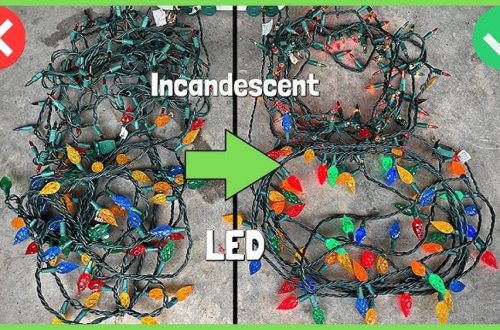
String lights come in many styles. Classic bulbs offer a warm, cozy glow. LED lights use less power and last longer. Globe lights create a festive look. Fairy lights are tiny and delicate. Choose a type that fits your mood and space.
Power Requirements
Check the power needs of your string lights. Most lights run on standard voltage, but some use batteries. LED lights need less electricity than traditional bulbs. Make sure your light switch and wiring can handle the load. This prevents electrical problems and keeps your home safe.
Indoor Vs Outdoor Use
Some string lights are for indoors only. Others are built to withstand rain and wind. Outdoor lights have special coatings to stop water damage. Using indoor lights outside can cause short circuits or fire hazards. Always pick lights marked for the area you want to decorate.
Gathering Necessary Tools And Materials
Before connecting string lights to a light switch, gather all the needed tools and materials. Having everything ready saves time and makes the process smooth. This step helps avoid interruptions and ensures safety.
Basic Tools Needed
- Screwdriver (flathead and Phillips) for removing switch covers and securing wires
- Wire stripper to remove insulation from wires
- Voltage tester to check if wires are live
- Drill with bits for mounting lights or switches
- Wire nuts to connect wires safely
- Electrical tape to secure connections
Safety Equipment
- Insulated gloves to protect from electric shocks
- Safety glasses to guard eyes from debris
- Non-conductive ladder if working at height
- Flashlight or headlamp for better visibility
Additional Accessories
- Extension cords for flexible light placement
- Mounting clips or hooks to secure string lights
- Switch box or cover plate if replacing or adding switches
- Outdoor-rated string lights for external use
Preparing The Light Switch
Preparing the light switch is the first step in connecting string lights safely. This step ensures the switch is ready for new wiring. It helps avoid electrical hazards and makes installation easier.
Follow these simple steps to get your light switch ready.
Turning Off Power
Always turn off the power before working on any electrical switch. Find the circuit breaker that controls the switch. Flip the breaker to the off position to cut the electricity. Use a voltage tester to confirm no power is flowing. This step keeps you safe during installation.
Removing The Existing Switch Cover
Use a screwdriver to remove the screws holding the switch cover. Gently pull the cover off the wall. Set the cover and screws aside carefully. This exposes the switch and wiring for your work. Be gentle to avoid breaking the cover.
Identifying Wiring Types
Look closely at the wires connected to the switch. Common wires are black (hot), white (neutral), and green or bare (ground). Note how many wires are connected and where. Understanding this helps connect your string lights correctly. Take a picture if needed for reference.
Wiring String Lights To The Switch
Wiring string lights to a switch lets you control the lights easily. It adds convenience and safety to your lighting setup. Follow clear steps to connect wires correctly. Safety is important to avoid electrical problems.
Connecting Live Wires
Find the live wire from the power source and the switch. The live wire carries electricity to the lights. Connect the live wire from the power source to one terminal of the switch. Then connect the other terminal of the switch to the live wire of the string lights. This setup allows the switch to control the power flow.
Securing Neutral And Ground Wires
The neutral wire completes the electrical circuit. Connect the neutral wire from the power source directly to the string lights’ neutral wire. The ground wire protects against electrical shocks. Attach the ground wire to the switch’s ground terminal and the light’s ground wire. Ensure all wire connections are tight and secure for safety.
Using Wire Connectors Properly
Use wire connectors to join wires safely. Strip the wire ends to expose about half an inch of copper. Twist wires together neatly before placing the connector. Screw the wire connector clockwise until it feels tight. Tug gently on the wires to check a secure fit. Proper connectors prevent loose wiring and electrical hazards.
Testing The Connection
Testing the connection is an important step after wiring your string lights to a light switch. This step ensures everything works correctly and safely. Check the wiring and the switch before using the lights fully. Follow simple steps to confirm the lights turn on and off as expected.
Restoring Power Safely
Before testing, restore power at the circuit breaker. Turn the breaker back on carefully. Avoid touching wires or terminals during this process. Use a voltage tester to confirm power is live. Safety first to prevent shocks or damage.
Switch Operation Check
Flip the light switch to the “on” position. Observe if the string lights light up immediately. Then, switch it “off” to see if the lights go dark. Repeat a few times to be sure the switch controls the lights properly. Confirm no flickering or delay in lighting.
Troubleshooting Common Issues
If the lights do not turn on, double-check all connections. Ensure wires are tight and correctly matched. Look for loose or exposed wires that may cause problems. Test the switch with a multimeter for proper function. Replace faulty bulbs or defective string lights if needed.
Enhancing Your Setup
Enhancing your string light setup can make your space more comfortable and stylish. Small changes can improve how you control and display your lights. You can add features that fit your needs and mood. These tips help you get the most from your string lights.
Adding A Dimmer Switch
A dimmer switch lets you change the brightness of your string lights. You can set soft light for relaxing or bright light for tasks. Installing a dimmer is simple and fits most light switches. It saves energy and creates a cozy atmosphere.
Using Smart Switches
Smart switches allow remote control of your string lights. Use a phone or voice command to turn lights on or off. Set timers or schedules for automatic lighting. Smart switches add convenience and help save electricity.
Organizing And Hiding Wires
Neat wires improve the look of your string lights. Use clips or cable covers to keep wires tidy. Hide wires along walls or behind furniture. Organized wires prevent tripping and make cleaning easier.
Safety Tips For Diy Electrical Work
Working with electrical wiring can be risky without proper care. Safety must be your top priority when connecting string lights to a light switch. Small mistakes can cause shocks, fires, or damage. Follow these safety tips to protect yourself and your home.
When To Call A Professional
Some tasks require expert knowledge. Complex wiring, damaged circuits, or unclear instructions need a professional. If unsure about any step, stop and call an electrician. Professionals have the right tools and training. They ensure the job is safe and done correctly.
Avoiding Electrical Hazards
Always turn off the power at the breaker before starting work. Use a voltage tester to confirm no electricity flows. Wear insulated gloves and use tools with rubber handles. Keep the work area dry to prevent shocks. Never overload sockets or use damaged wires. Follow instructions carefully for each product.
Regular Maintenance Checks
Check your string lights and switch regularly. Look for frayed wires, loose connections, or burnt smells. Replace damaged parts immediately. Clean dust and debris from the switch and lights. Regular checks prevent accidents and extend the life of your setup.
Frequently Asked Questions
How Do I Connect String Lights To A Wall Switch?
To connect string lights to a wall switch, plug the lights into an outlet controlled by the switch. Ensure the switch controls the outlet power. This setup allows you to turn the string lights on or off easily using the wall switch.
Can I Hardwire String Lights To A Light Switch?
Hardwiring string lights to a light switch is possible but requires electrical knowledge. It involves connecting the lights directly to the switch wiring. For safety, hire a licensed electrician to avoid hazards and ensure proper installation.
What Type Of Switch Works Best With String Lights?
A standard single-pole switch works well with string lights. It allows simple on/off control. For dimming options, use a compatible dimmer switch designed for low-voltage or LED string lights.
Is It Safe To Use Outdoor String Lights With A Switch?
Yes, outdoor string lights designed for exterior use are safe with a switch. Ensure the switch and outlet are weatherproof and rated for outdoor use to prevent electrical hazards.
Conclusion
Connecting string lights to a light switch is simple and useful. It helps you control your lights easily and save energy. Always check the wiring and safety before starting. Use the right tools to avoid problems. Once done, enjoy the cozy and bright space you created.
This small task brings big comfort to your home. Try it yourself and see how it changes your room’s look and feel. Safety first, then light up!