Are you wondering how many amps your string lights actually use? Knowing this can save you from blown fuses, overloaded outlets, or even costly electrical problems.
Whether you’re decorating your home, garden, or a special event, understanding the power needs of your string lights is key to keeping everything safe and running smoothly. You’ll discover simple ways to calculate the amps your lights draw and learn tips to avoid common electrical mistakes.
Keep reading, and you’ll gain the confidence to light up your space without worry.
Amp Basics For String Lights
Understanding amps helps you use string lights safely and efficiently. This section explains the basic idea of amps and why they matter for string lights. Knowing this can prevent electrical problems and keep your lights shining bright.
What Are Amps?
Amps measure the flow of electric current. Think of amps as the amount of electricity moving through a wire. Higher amps mean more electricity is flowing. Devices like string lights need a certain amount of amps to work properly. Too many amps can cause wires to heat up. Too few amps mean the lights may not shine well.
Why Amps Matter For String Lights
String lights need the right amps to stay safe and bright. Using too many lights on one outlet can cause too many amps to flow. This can lead to blown fuses or even fires. Knowing the amps helps you avoid overloading circuits. It also helps you choose the right extension cords and power sources. Proper amp use makes your string lights last longer and work better.
Calculating Amp Usage
Calculating the amp usage of string lights helps you avoid overloading circuits. It ensures safe and efficient power use. Knowing the amps used guides you in choosing the right extension cords and breakers.
Watts To Amps Conversion
To find amps, divide the watts by the voltage. Most string lights use 120 volts in the U.S. For example, a 60-watt string light uses 0.5 amps (60 ÷ 120 = 0.5). This simple math gives a clear idea of power draw.
Remember, watts represent power consumption. Amps show the flow of electricity. This conversion helps match your lights with electrical limits.
Factors Affecting Amp Draw
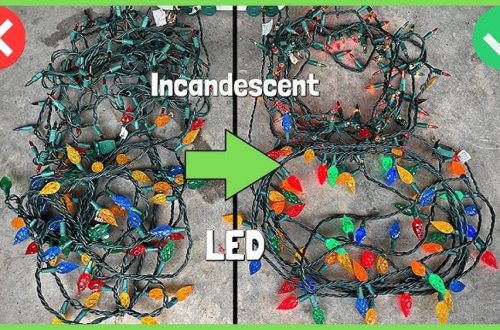
The type of bulbs impacts amp use. LED bulbs use less power than incandescent bulbs. A string with more bulbs will draw more amps. Longer strings increase the total wattage and amps.
Voltage also matters. Different countries have different voltages. Check your local voltage to calculate amps correctly. Using lower voltage means higher amps for the same wattage.
Amp Usage By String Light Type
String lights come in different types, and each uses amps differently. Understanding amp usage helps you choose the right lights for your space. It also prevents overloading your circuits and keeps your setup safe.
Incandescent String Lights
Incandescent string lights use more amps than other types. Each bulb can draw about 0.5 amps or more. A long string with many bulbs can add up quickly. These lights get warm and use more energy. They are less efficient but offer a classic warm glow.
Led String Lights
LED string lights use very few amps. Each LED bulb uses about 0.02 to 0.05 amps. They save energy and run cool to the touch. You can connect many LEDs without overloading your circuit. These lights last longer and cost less to run.
Solar-powered String Lights
Solar-powered string lights use no amps from your home power. They run on energy from the sun stored in a battery. These lights are eco-friendly and cost nothing to operate. Their brightness depends on sunlight and battery capacity. Perfect for outdoor use without wiring.
Safe Amp Limits For Outdoor Use
Outdoor string lights add charm and brightness to any space. Safety is key when using them. Knowing safe amp limits helps prevent electrical hazards. It protects your home and ensures your lights work well all night.
Circuit Breaker Ratings
Circuit breakers stop electrical overloads. Each breaker has an amp rating. Most outdoor circuits use 15 or 20 amps. Check your breaker before plugging in string lights. Do not exceed its amp limit. Overloading can trip the breaker or cause fire risks.
Calculate the total amps of your string lights. Add the amps of all lights on the same circuit. Keep the total below the breaker’s rating. This keeps your setup safe and prevents power loss.
Extension Cord Amp Ratings
Extension cords have amp limits too. Using the wrong cord can cause overheating. Check the amp rating printed on the cord. It must match or exceed your lights’ total amps. Choose cords made for outdoor use. They resist water and weather damage.
Longer cords often have lower amp ratings. Use shorter cords when possible. This reduces voltage drop and heat buildup. Proper cords keep electricity flowing safely to your lights.
Reducing Amp Consumption
Troubleshooting amp-related issues with string lights helps keep them safe and bright. Understanding how amps affect your lights can prevent damage and electrical problems. Identifying common amp problems allows quick fixes and better use of your lights.
Overloading Circuits
Overloading happens when too many lights draw more amps than a circuit can handle. This causes breakers to trip or fuses to blow. Always check the total amps of your string lights before plugging multiple sets into one outlet. Use a power strip with a built-in circuit breaker for added safety. Spread out your lights across different circuits to avoid overloading.
Flickering And Dim Lights
Flickering or dim string lights often signal amp issues. Loose connections or overloaded circuits cause inconsistent current flow. Check all plugs and sockets for secure fits. Reduce the number of light strands on one circuit to stabilize amps. Replace damaged wires to restore steady brightness. Proper amp management prevents flickering and dimness.
Frequently Asked Questions
How Many Amps Do Led String Lights Use?
LED string lights typically use between 0. 06 to 0. 1 amps per bulb. This low current makes them energy-efficient and safe for indoor and outdoor use.
What Factors Affect String Lights’ Amp Usage?
Amp usage depends on bulb type, length, and voltage. LED bulbs use less power, while longer strings draw more amps overall.
Can String Lights Overload A Circuit?
Yes, if too many lights are connected, they can exceed circuit capacity. Always check the total amp rating before plugging in multiple strings.
How To Calculate Amps For Your String Lights?
Divide the total wattage by your power supply voltage (usually 120V). This formula helps you find the exact amp draw for your lights.
Conclusion
Knowing how many amps string lights use helps you avoid electrical problems. Always check the label on your lights to see their power needs. Using the right fuse or breaker keeps your home safe. Remember, too many lights on one circuit can cause overloads.
Simple steps like these protect your decorations and your family. Brighten your space smartly and safely every time.