Where you place your desk in your home office can change everything—from how focused you feel to how comfortable you are throughout the day. You want a setup that helps you stay productive without distractions or discomfort.
But with so many options, how do you know where to put your desk for the best results? You’ll discover simple, practical tips to position your desk perfectly, so your workspace feels just right. Whether your room is big or small, filled with windows or cozy corners, these ideas will help you create a home office that works for you.
Keep reading to find the best spot for your desk and transform your work-from-home experience.
Desk Placement Basics
Choosing the right spot for your desk shapes your workday. The basics of desk placement help create a comfortable, focused space. Positioning affects your mood, productivity, and comfort. Simple changes improve your home office significantly.
Think about light, view, and distractions. A good desk spot blends these elements well. Below are key factors to consider for better desk placement.
Command Position Benefits
Placing your desk with a clear view of the door helps you feel secure. Facing the door allows you to see who enters without turning around. Sitting with your back to a solid wall adds support and comfort. This setup reduces stress and increases focus. It creates a sense of control in your workspace.
Natural Light Advantages
Natural light boosts energy and mood during work hours. Position your desk so windows are to the side, not in front or behind. Side lighting brightens your space without causing glare on your screen. Exposure to daylight helps reduce eye strain. It also makes the room feel open and fresh.
Screen Glare Issues
Avoid placing your desk directly in front of or behind a window. This causes glare on your computer screen, making it hard to see. Glare leads to eye discomfort and headaches. It also reduces productivity and focus. Adjust blinds or curtains if glare becomes a problem.

Credit: plankandpillow.com
Ideal Desk Positions
Finding the ideal desk position in your home office affects comfort and productivity. The right placement controls distractions and lighting. It helps you feel secure and focused while working. Small changes can improve your workday experience.
Below are some popular desk positions. Each offers unique benefits for different room layouts and work styles.
Back To Solid Wall, Facing Door
Place your desk with your back against a solid wall. Face the door directly. This position helps you see who enters without turning around. It creates a feeling of control and safety. Your back is protected by the wall, reducing distractions behind you. This setup suits those who want to stay alert and focused.
Desk Perpendicular To Window
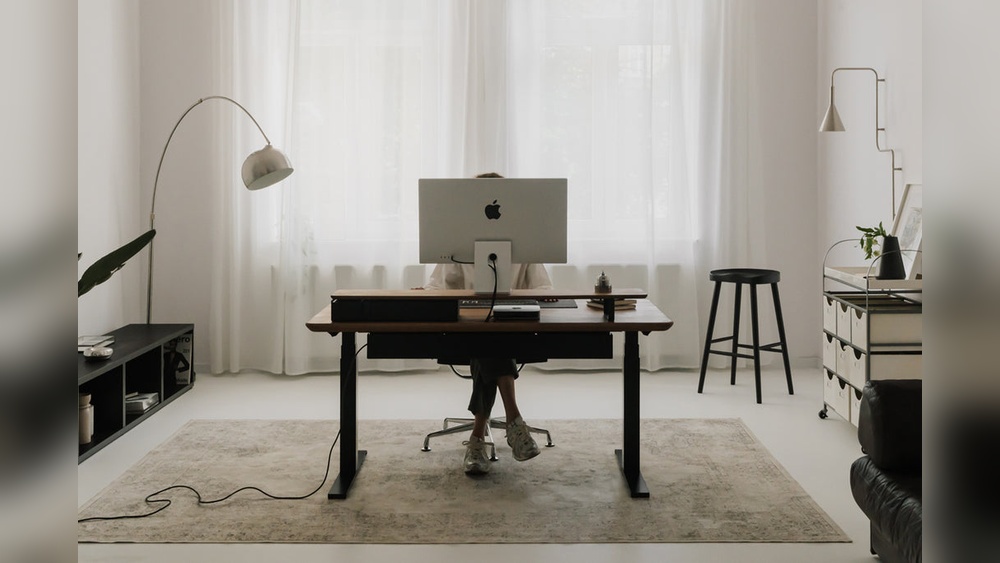
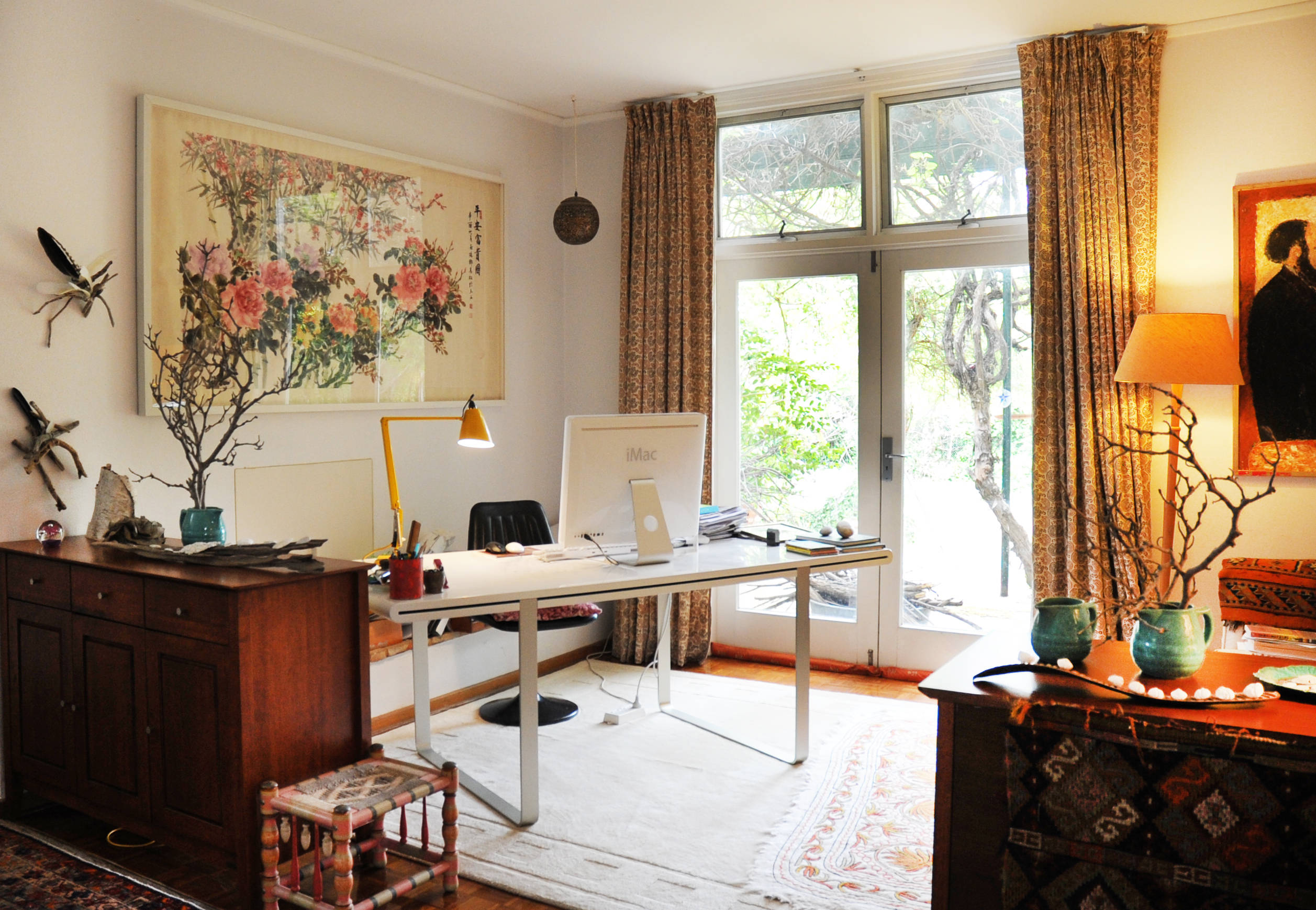
Put your desk sideways to the window. Natural light brightens your space and lifts your mood. This angle prevents glare on your computer screen. It also stops you from staring outside for long periods. This position works well for people who need daylight but want to avoid screen reflections.
Corner Desk Setup
Use a corner desk to maximize room space. Corners can reduce distractions by limiting your field of view. Make sure you can still see the door from this spot. Corners work best in small rooms or shared spaces. This setup creates a cozy and efficient work area.
Desk Placements To Avoid
Choosing the right desk placement in your home office is crucial for comfort and productivity. Some positions may cause distractions, discomfort, or reduce focus. Avoid these common desk placements to create a better workspace.
Back To Window Problems
Placing your desk with your back to a window often causes strong glare on your screen. This makes it hard to see and strains your eyes. Bright light behind you also creates shadows, reducing visibility. It may also cause you to feel disconnected from your surroundings.
Facing Door Distractions
Facing the door directly can lead to constant interruptions. People walking by or entering catch your attention easily. This placement breaks concentration and lowers work efficiency. It also increases stress as you keep noticing movement behind you.
Directly In Front Of Door
Placing the desk exactly in front of the door can feel unsafe. Your chair might be bumped by the door opening suddenly. This causes discomfort and disrupts your work. It also leaves you feeling exposed and less in control of your space.
Facing Blank Wall Effects
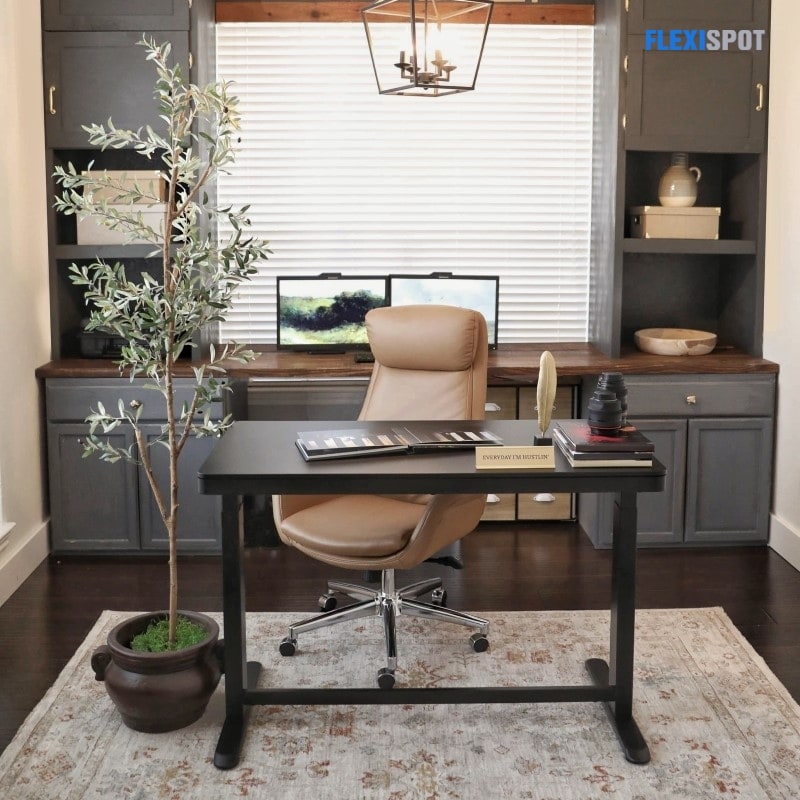
Facing a blank wall can make the room feel dull and uninspiring. This position limits your view and may increase feelings of isolation. Lack of visual stimulation reduces creativity and motivation. Adding artwork or plants can help, but a better desk position is preferable.
Credit: www.houzz.com.au
Ergonomics And Comfort
Ergonomics and comfort are key to a productive home office. A well-placed desk supports good posture and reduces strain. This helps avoid fatigue and pain during long work hours. Thoughtful desk placement improves focus and overall well-being.
Space For Movement
Allow enough room to move freely around your desk. Avoid tight spaces that restrict stretching or turning. Clear pathways help prevent accidents and promote comfort. A spacious area lets you adjust your position often. This reduces stiffness and supports better circulation.
Reach And Accessibility
Keep essential items within easy reach. Arrange your desk so you do not stretch or twist to grab tools. Place your keyboard and mouse close to avoid strain. Store frequently used supplies nearby to maintain flow. This setup saves time and reduces muscle tension.
Adding Supplemental Lighting
Good lighting protects your eyes and improves focus. Position a desk lamp to shine directly on your work area. Avoid harsh overhead lights that cause glare on screens. Use warm, soft light to reduce eye strain. Proper lighting keeps you alert and comfortable throughout the day.
Room Layout Considerations
Room layout plays a key role in placing your desk effectively. It affects comfort, productivity, and how the space feels. Understanding your room’s shape and size helps create a balanced workspace. This section covers practical ideas for different room types and placement styles.
Consider how you move around the room and where light enters. These factors guide the best desk position. The goal is a space that feels open yet focused, private yet inviting.
Small Room Strategies
In small rooms, space is limited. Placing the desk against a wall saves room for other needs. Corners work well to reduce distractions and maximize floor area. Choose a compact desk to avoid crowding.
Use vertical storage above or beside the desk. This keeps supplies handy without cluttering the workspace. Keep the area tidy to maintain a sense of order and calm.
Open Space Vs. Wall Placement
Desks in open spaces create a modern, airy feel. They allow easy access and can become a room focal point. But open placement may cause more distractions.
Wall placement offers stability and fewer distractions. It also supports better cable management and storage options. Position your desk so you can see the door or natural light without facing glare.
Balancing Privacy And Openness
Privacy helps concentration but too much can feel isolated. Place your desk where you get some visual privacy but stay connected to the room. A desk angled slightly away from the door offers this balance.
Use room dividers or plants to create subtle separation. These elements provide privacy without closing off the space. This setup supports focus while keeping the room friendly and open.
Boosting Productivity With Setup
Setting up your desk in the right spot can change how much work you get done. A smart desk placement reduces stress and helps keep focus high. This section explains simple ways to arrange your desk that help you work better every day.
Minimizing Distractions
Place your desk so you can see the door but avoid having your back to it. This makes you feel safe and less startled by visitors. Keep your desk away from noisy spots like busy hallways or loud appliances. Use a wall or bookshelf behind you to block visual distractions. Clear your desk of clutter to help your mind stay calm and focused.
Optimizing Natural Light Use
Set your desk next to a window, not directly in front or behind it. This lets light fall on your side, reducing screen glare and eye strain. Natural light lifts your mood and keeps you alert during work hours. Use light curtains to soften harsh sunlight without losing brightness. If natural light is limited, add a bright desk lamp to keep your space well-lit.
Creating Inspiring Views
Look for a spot that offers a pleasant view, like plants or a quiet garden. A nice view can refresh your mind during breaks. Avoid facing a blank wall, which can feel dull and uninspiring. Rotate your desk if needed to find a view that sparks creativity. Small decorations or art near your desk can also boost your mood and focus.
Feng Shui Tips For Desk Placement
Feng Shui is an ancient Chinese practice that helps balance energy in a space. Applying Feng Shui to desk placement can improve work focus, calmness, and productivity. Small adjustments in your home office can create a positive flow of energy. This section shares simple Feng Shui tips to position your desk for the best results.
Positioning For Energy Flow
Place your desk so you face the door but have a solid wall behind you. This position is called the “command position.” It helps you feel safe and in control. You can see who enters without being surprised. Avoid sitting with your back to the door. This blocks energy and can make you feel vulnerable.
Avoiding Negative Angles
Sharp corners or angles pointing toward you are called “poison arrows” in Feng Shui. These create negative energy and stress. Keep your desk away from these angles. If you cannot move the desk, use plants or fabric to soften the edges. This reduces harsh energy and creates a peaceful space.
Enhancing Focus And Calm
Natural light boosts energy and focus. Position your desk next to a window, but not directly facing it. This avoids glare on your screen and distractions from outside. Use soft, balanced lighting if natural light is limited. Clear your desk of clutter to keep energy flowing smoothly. Add calming elements like plants or a small water fountain to promote peace.
Credit: www.flexispot.com
Frequently Asked Questions
Where Is The Best Place To Position A Desk In A Home Office?
Position your desk facing the door with a solid wall behind you for control and focus. Place it perpendicular to a window to enjoy natural light without glare. Avoid sitting with your back to the window or directly facing the door to reduce distractions.
Should A Desk Face The Window Or Away?
Place your desk perpendicular to a window for natural light without glare. Facing the door with a solid wall behind boosts focus and control. Avoid backing the desk to the window or facing the door directly to prevent distractions and screen glare.
Which Direction Should I Keep My Desk?
Place your desk with your back to a solid wall and facing the door for control. Position it perpendicular to a window to enjoy natural light without glare. Avoid facing the door directly or sitting with your back to the window to reduce distractions and screen glare.
Which Direction Is Best For A Work Table At Home?
Place your work table facing the door with a solid wall behind you for focus and control. Position it perpendicular to a window for natural light without glare. Avoid facing the door directly or sitting with your back to a window to reduce distractions and screen glare.
Conclusion
Placing your desk well boosts comfort and focus in your home office. Choose a spot where you see the door but sit with your back to a solid wall. Let natural light come from the side to avoid glare and distractions.
Keep enough space to move and reach everything easily. A good desk position helps you work better and feel more at ease. Try these tips to create a workspace that fits your needs and helps you stay productive every day.