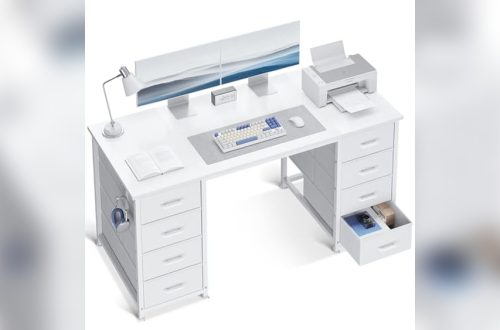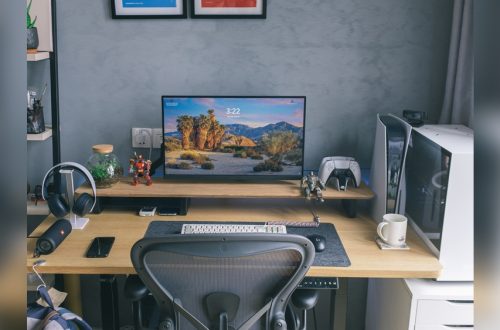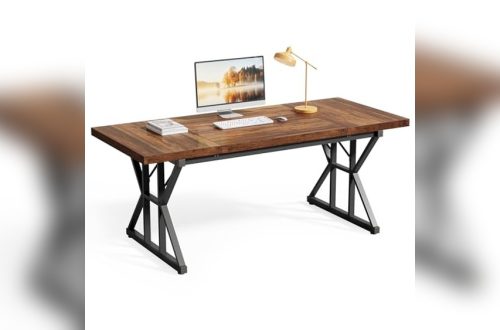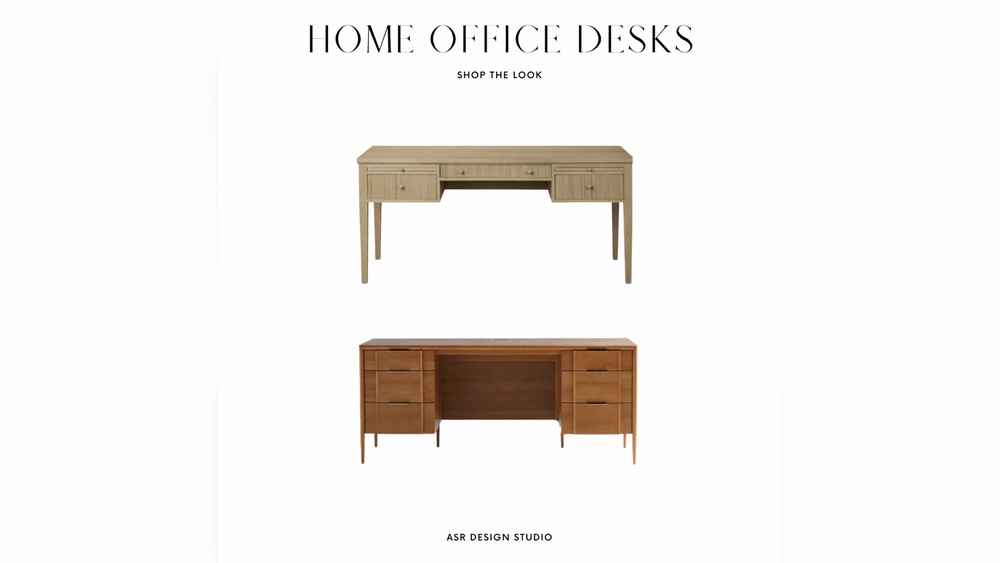
When setting up your home office, you might wonder: does your built-in shelving really need to match your desk? You want a space that feels put together, but is matching furniture the key to that?
The truth is, your home office should reflect your style and boost your productivity—not just follow strict design rules. Whether you prefer everything to blend seamlessly or enjoy mixing textures and colors, knowing how to balance style and function can transform your workspace.
Keep reading to discover smart tips that help you decide if matching your built-ins to your desk is a must or if you can break the mold for a more personalized, inspiring office.
Matching Built-ins And Desks
Matching built-ins and desks in a home office can shape the room’s look. This choice influences style and function.
Some prefer a seamless, uniform appearance. Others like mixing styles for a unique touch. Both approaches have clear effects.
Benefits Of Matching
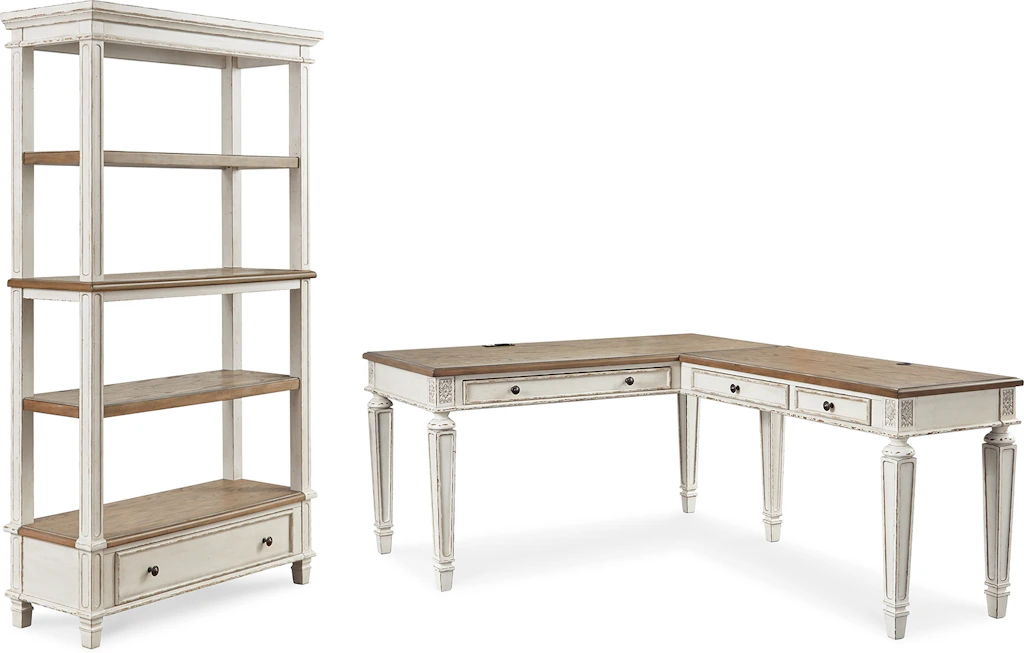
Matching built-ins and desks create a clean, cohesive space. The uniform look can make the room feel organized.
It simplifies design decisions. You avoid clashing colors or materials. Matching pieces often boost the room’s value.
The style feels intentional and polished. This can help reduce visual distractions and improve focus.
Drawbacks Of Matching
Matching everything may limit creativity. The space can feel too formal or dull.
It can also be costly to buy matching custom pieces. Sometimes matching furniture may not fit your exact needs.
Matching sets might not age well. Trends change, and then the whole set may feel outdated.
When To Match Your Desk
Match your desk with built-ins if you want a neat, professional look. This works well in small or minimalist spaces.
Consider matching when you need strong visual harmony. It helps if the built-ins are custom made for the room.
Choose matching pieces when you plan a long-term setup. This approach supports consistent style and easy maintenance.

Credit: www.amazon.com
Mixing Styles And Finishes
Mixing styles and finishes in your home office creates a unique, personalized space. You do not need to match your built-ins exactly to your desk. Thoughtful combinations can add character and depth to the room. This approach allows flexibility and showcases your taste.
Combining Different Wood Tones
Different wood tones can work well together. Light oak built-ins can complement a dark walnut desk. Contrast adds interest and prevents monotony. Choose wood finishes with similar undertones for balance. Mixing tones creates a warm and inviting atmosphere.
Blending Modern And Traditional Designs
Modern desks pair nicely with classic built-in shelves. Sleek metal legs on a desk contrast beautifully with wooden cabinetry. Combining styles brings a fresh, eclectic vibe. Keep shapes simple to avoid visual clutter. This blend reflects a thoughtful, curated space.
Using Color To Tie Elements Together
Color connects different furniture pieces in your office. Paint built-ins in a shade that matches desk accents. Use accessories like lamps or rugs to unify the palette. Even small color hints create harmony. This method keeps the room cohesive without matching everything.
Customizing Built-ins For Your Space
Customizing built-ins for your home office lets you create a space made just for you. Tailored built-ins fit the size of your room and your daily work habits. They help keep your office neat and comfortable. Thoughtful choices in design make the area inviting and productive.
Tailoring Storage To Your Needs
Build storage that fits your work style. Use shelves for books or binders you need often. Add drawers for office supplies and personal items. Customize compartments to hold files or tech gear. Proper storage keeps your desk clear and your work smooth.
Choosing Materials And Finishes
Select materials that suit your room’s look and feel. Wood adds warmth and a classic touch. Metal offers a modern and sleek appearance. Choose finishes that match or complement your desk surface. This creates harmony without the need to match exactly.
Maximizing Functionality
Design built-ins that make work easier. Include space for your computer and accessories. Plan lighting options to reduce eye strain. Add open and closed storage for flexibility. Smart design helps you stay organized and focused all day.
Design Tips For Home Office Harmony
Creating harmony in your home office involves more than just matching furniture. It is about blending pieces so the space feels calm and inviting. Design tips can help you balance style and function easily.
Consider how your built-ins and desk work together without forcing an exact match. Thoughtful design choices bring unity to your workspace.
Balancing Visual Weight
Visual weight refers to how heavy or light objects appear in a room. Large, dark furniture feels heavy, while light colors feel airy. Balance heavy built-ins with a lighter desk to avoid a top-heavy look.
Place bulky items opposite lighter ones. This spreads visual weight evenly and prevents one side from feeling crowded.
Incorporating Lighting
Good lighting brightens your work area and highlights key features. Use task lights on your desk for focused work. Add ambient lights near built-ins to soften shadows.
Choose lighting fixtures that complement your furniture style. This adds cohesion without needing to match every piece perfectly.
Adding Decorative Accents
Decor accents tie the room together with color and texture. Use items like plants, artwork, or rugs to add warmth and interest.
Pick accents that repeat colors or shapes found in your desk and built-ins. This subtle connection creates a unified look.
Feng Shui And Desk Placement
Feng Shui focuses on arranging your workspace to improve energy flow and balance. The placement of your desk plays a key role in creating harmony. Proper desk orientation can influence your focus, mood, and productivity. This ancient practice guides how to position furniture for a positive environment.
Optimal Desk Orientation
Place your desk so you face the room’s entrance. This position gives a clear view of who enters, creating a sense of control. Avoid sitting with your back to the door. Natural light should brighten your workspace without causing glare. Align your desk with the room’s energy flow for calm and focus.
Impact On Productivity
Good desk placement reduces stress and distractions. It helps maintain steady energy throughout the day. Facing a window or open space can boost creativity and mood. A clutter-free area supports clear thinking. Balanced energy from Feng Shui can lead to better work output and satisfaction.
Creating A Positive Workspace
Add plants or soft lighting near your desk to enhance calmness. Keep your workspace tidy and organized to invite good energy. Use colors that inspire and relax you. Personalize your area with meaningful items but avoid clutter. A positive space encourages motivation and well-being.
Space-saving Solutions
Maximizing space in a home office is essential, especially in smaller rooms. Space-saving solutions help keep your work area tidy and functional. Built-ins and desks do not have to match perfectly to create a cohesive look. Smart design choices can make your office feel larger and more organized.
Built-in Shelving Ideas
Built-in shelves use vertical space efficiently. They free up floor room and reduce clutter. Open shelves display books and decor, adding personality. Closed cabinets hide messy supplies out of sight. Mixing open and closed storage balances style and function. Adjustable shelves adapt to different item sizes. Consider corner units to use awkward spaces well.
Multi-functional Furniture
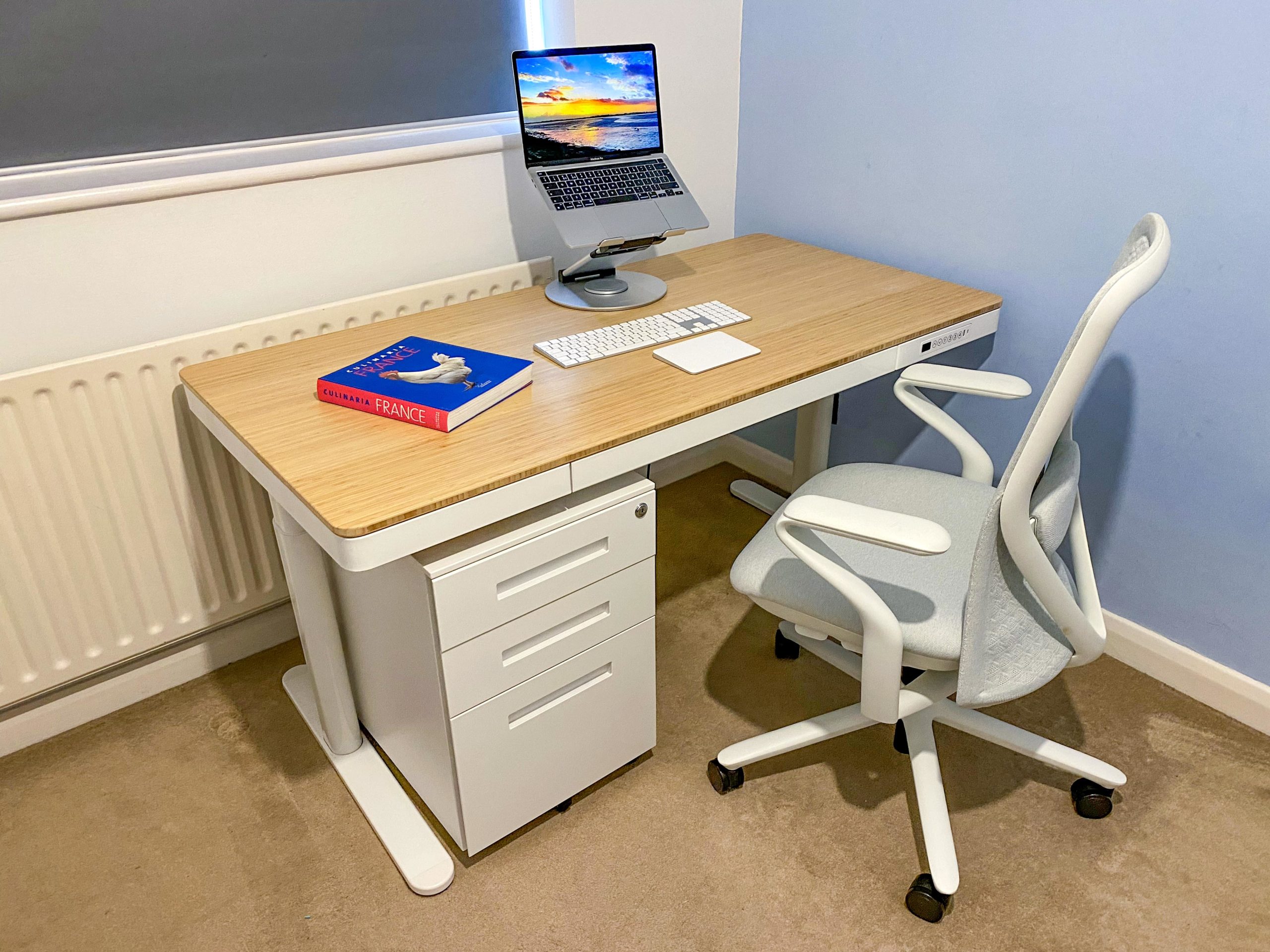
Furniture that serves more than one purpose saves space. Desks with drawers or shelves store office tools nearby. Fold-out tables provide extra workspace only when needed. Seating with built-in storage offers a place for files or cushions. Choose pieces that fit your workflow and space. Multi-functional items reduce the need for extra furniture.
Organizing For Efficiency
Keep your workspace clear to improve focus and productivity. Use containers, trays, and dividers to sort supplies. Label storage so you find things quickly. Place frequently used items within arm’s reach. Store less-used materials higher or lower on shelves. A well-organized office feels calm and inviting. Regularly declutter to maintain order and space.
Budgeting For Built-ins And Desks
Budgeting for built-ins and desks is a crucial step in designing your home office. Understanding the costs involved helps avoid surprises and keeps your project on track. Prioritize what fits your needs and wallet to create a functional workspace.
Cost Considerations
Built-ins usually cost more than standalone desks. Materials, size, and design complexity affect the price. Custom wood built-ins can be expensive, while laminate options are cheaper. Desks vary widely, from budget-friendly to high-end models. Factor in delivery and installation fees too. Comparing prices before buying saves money and stress.
Diy Vs Professional Installation
Installing built-ins yourself lowers costs but needs time and skill. Mistakes can damage materials and raise expenses. Hiring professionals ensures proper fitting and finish. They work faster and guarantee quality. Balance your budget with your abilities to decide the best option. Simple desks often come ready to assemble, reducing installation hassle.
Long-term Investment Value
Quality built-ins increase home value and last longer. They offer durable storage and a polished look. A well-chosen desk supports productivity and comfort. Cheap furniture might need frequent replacement, costing more over time. Investing in good pieces saves money and effort in the future. Think of your office setup as a lasting asset.
Credit: www.smithvillage.com
Credit: frenchmoments.eu
Frequently Asked Questions
Does Office Furniture Have To Match?
Office furniture does not have to match exactly. Mixing styles or colors can create a unique, appealing workspace. Balance and cohesion matter most.
What Are The Feng Shui Rules For Desks?
Place your desk facing the door but not directly aligned. Keep it clutter-free and well-lit. Use solid walls behind for support. Position with a clear view and avoid sitting with your back to the door. Balance elements and add plants to enhance energy flow.
Should All Office Furniture Be The Same Color?
Office furniture does not need to be the same color. Mixing colors adds visual interest and prevents dullness. Choose colors that complement your office lighting and style.
What Are The 3 P’s For Having A Clean Desk?
The 3 P’s for a clean desk are Plan your tasks, Protect your workspace, and Pick up clutter regularly.
Conclusion
Choosing whether your home office built-ins should match your desk depends on your style. Matching furniture creates a clean, unified look that feels calm. Mixing different styles adds character and makes the room more personal. Focus on what makes you comfortable and productive.
The key is balance, not perfection. Your workspace should inspire focus and feel inviting. Trust your eye and enjoy designing your unique home office.