Your dining room walls hold the power to transform the entire space. Imagine walking into your dining area and feeling instantly inspired by the art and decor that surround you.
If you’ve been wondering how to build dining room wall decor that reflects your style and brings warmth to your meals, you’re in the right place. This guide will walk you through simple, creative ideas—from stunning gallery walls to clever use of mirrors and shelves—that you can easily create yourself.
Ready to turn your dining room into a place where every meal feels special? Let’s get started on making your walls the centerpiece of your home.

Credit: www.youtube.com
Gallery Walls
Gallery walls offer a creative way to personalize your dining room. They bring character and charm to plain walls. You can display art, photos, or meaningful items in a stylish arrangement. Gallery walls fit any style, from classic to modern. They also help create a warm, inviting atmosphere for guests.
Grid Layouts
Grid layouts use equal-sized frames arranged in rows and columns. This style looks clean and organized. It works well with photos or prints of similar sizes. The even spacing creates a balanced, harmonious look. Use a level and measuring tape to keep alignment perfect. Grid layouts suit formal dining rooms and minimalist decor.
Casual Arrangements
Casual arrangements mix different frame sizes and shapes. This style feels relaxed and personal. You can overlap frames or leave varied gaps between them. Start from the center and work outward for a natural flow. Casual gallery walls add warmth and energy to your dining space. They work great with eclectic or rustic interiors.
Mixing Photos And Prints
Combining photos and prints adds visual interest to gallery walls. Use black-and-white photos with colorful art for contrast. Mix landscapes, portraits, and abstract prints to create variety. Frames in matching colors or styles unify the collection. This mix tells a story and reflects your personality. It makes the dining room truly unique and inviting.
Statement Art
Statement art transforms your dining room walls instantly. It creates a bold focal point that draws attention. The right piece of art adds personality and style. It reflects your taste and sets the room’s mood. Choose art that stands out and complements your decor.
Oversized Paintings
Large paintings fill empty wall space with color and drama. They create a strong visual impact without clutter. Oversized art works well above dining tables or sideboards. Pick paintings with vibrant colors or interesting shapes. These pieces make the room feel lively and inviting.
Bold Prints
Bold prints add energy and modern style to your walls. Choose geometric patterns, abstract designs, or colorful motifs. Prints with strong lines and bright colors catch the eye quickly. Frame them in simple frames to keep focus on the art. Grouping several bold prints creates a dynamic wall display.
Photography Focus
Photography brings a personal and artistic touch to your dining space. Black and white photos add elegance and calmness. Color photos can highlight favorite places or memories. Use large framed photos or a series of smaller shots. Photos tell stories and invite guests to linger longer.
Textile Decor
Textile decor brings warmth and softness to dining room walls. It adds layers of color and texture that paint or art alone cannot achieve. Fabrics create a cozy and inviting atmosphere for guests. Using textiles allows for flexible and creative design choices. They also help absorb sound, improving room acoustics during meals.
Tapestries For Texture
Tapestries offer a large, artistic fabric piece to hang on your wall. They add depth and visual interest with intricate patterns or simple designs. Choose tapestries with colors that match your dining room theme. Lightweight tapestries are easy to hang and change seasonally. The texture of woven fibers makes the space feel more tactile and rich. Tapestries also cover large wall areas without heavy frames.
Drapery Effects
Drapery on walls creates soft, flowing lines that enhance room elegance. Use sheer or thick fabrics depending on the mood you want. Drapes can frame windows or act as a backdrop for your dining table. Layer different textiles for a more dynamic look. Fabric folds catch light and shadows, adding dimension to plain walls. Drapery is a simple way to introduce pattern and color without permanent changes.
Collections And Displays
Collections and displays bring personality to your dining room walls. They create visual interest and make the space feel warm. Choose items that tell a story or showcase your style. Grouping similar pieces helps create balance and harmony on the wall.
Use a mix of textures and colors for a lively display. Keep the arrangement neat for a polished look. Proper lighting enhances the beauty of your collection and draws attention to details.
Decorative Plates
Decorative plates add charm and color to dining room walls. Arrange them in a pattern or cluster for impact. Use plate hangers or adhesive hooks designed for wall mounting. Choose plates with designs that match your room’s style. Vintage, hand-painted, or modern plates all work well. This display brings a classic yet fresh feel to your dining space.
Personal Mementos
Personal mementos make your dining area unique and inviting. Frame meaningful items like postcards, tickets, or small souvenirs. Display them on shelves or in shadow boxes for depth. Arrange mementos with photos to tell a story. These items spark memories and conversations during meals. They give your wall a personal and heartfelt touch.
Children’s Art
Children’s art adds color and joy to the dining room. Frame or clip their drawings and paintings for a neat look. Rotate the artwork regularly to keep the display fresh. Use simple frames in bright or neutral colors. This approach celebrates creativity and family moments. It also creates a playful and welcoming atmosphere.
Mirrors And Light
Mirrors and light play a key role in dining room wall decor. They create a sense of space and add brightness. Using mirrors can make even a small dining room feel open and inviting. Light reflects off mirrors, enhancing natural and artificial light sources. This effect brings warmth and charm to your dining area. Thoughtful placement of mirrors boosts both style and function.
Brightening Small Spaces
Small dining rooms often lack enough natural light. Placing mirrors opposite windows reflects sunlight across the room. This simple trick doubles the light and opens up the space. Mirrors also create an illusion of depth, making walls seem farther apart. Use large mirrors or a group of small ones for maximum impact. Position mirrors near light fixtures to spread light evenly.
Mirror Shapes And Styles
Choose mirror shapes that match your dining room style. Round mirrors soften sharp corners and add flow. Square or rectangular mirrors suit modern and classic designs. Ornate frames bring a vintage or elegant touch. Frameless mirrors offer a clean, minimal look. Consider unique shapes like hexagons or ovals for a creative twist. Mix and match styles to create a personalized wall display.
Shelving Options
Shelving is a smart way to add style and function to your dining room walls. It creates space for display and storage without cluttering the floor. Shelves come in many shapes and sizes, fitting different decor styles and needs.
Floating Shelves
Floating shelves attach directly to the wall without visible brackets. This creates a clean, modern look that suits many dining rooms. They make the wall appear more open and less crowded. Choose wood or metal shelves depending on your room’s style. Install them at varying heights for visual interest. Use floating shelves to showcase art, dishes, or small decor pieces.
Displaying Plants And Books
Shelves are perfect for showing off plants and books. Green plants bring life and color to the dining area. They also improve air quality and create a fresh atmosphere. Books add personality and warmth to the space. Arrange books both vertically and horizontally for a balanced look. Combine plants and books to create a cozy, inviting vibe. Keep the display tidy and easy to change with seasons or moods.
Lighting Features
Lighting plays a key role in dining room wall decor. It sets the mood and highlights design features. The right lighting makes the space feel warm and inviting. It also adds depth and texture to plain walls. Using lighting creatively can turn simple walls into eye-catching displays. Below are two effective lighting ideas to enhance your dining room decor.
Wall Sconces
Wall sconces offer both light and style. These fixtures attach directly to the wall, saving floor space. They come in many designs, from modern to vintage. Place sconces on either side of artwork or mirrors. This frames the pieces and draws attention. Soft, warm light from sconces creates a cozy atmosphere. Choose dimmable sconces for flexible lighting control. They add elegance without overpowering the room.
Ambient And Accent Lighting
Ambient lighting provides overall illumination for the dining room. Use ceiling fixtures, recessed lights, or pendant lamps. This light fills the space evenly and makes it functional. Accent lighting focuses on specific decor elements. Spotlights or LED strips highlight textured walls or art pieces. Accent light adds visual interest and depth to the room. Combining ambient and accent lighting enhances the dining experience.
Wall Treatments
Wall treatments can change the whole look of your dining room. They add texture, color, and personality to plain walls. Choosing the right wall treatment helps set the mood for meals and gatherings. Various options fit different styles and budgets. Explore these creative ideas to enhance your dining space.
Murals And Wallpaper
Murals and wallpaper create a strong visual impact. They can show patterns, scenes, or colors that match your dining room theme. Choose subtle designs for a calm feel or bold prints for excitement. Peel-and-stick wallpapers are easy to apply and remove. Murals can make your wall a true work of art.
Textured Panels
Textured panels add depth and interest to your walls. They come in wood, fabric, or 3D materials. Panels can create a cozy or modern look depending on the style. Install them on one wall for a striking accent or cover the whole room. Textured panels also help improve room acoustics.
Decorative Tiling
Decorative tiling offers a unique and durable wall option. Tiles come in many shapes, colors, and patterns. Use ceramic, glass, or stone tiles to create a stylish backsplash or feature wall. Tiling adds shine and texture that catch the eye. It works well behind a buffet or dining table area.
Functional Decor
Functional decor blends style with purpose in your dining room walls. It offers beauty and utility in one design choice. These elements keep your dining space organized and visually appealing. Use functional decor to enhance daily dining experiences and simplify meal times.
Decorative Hooks
Decorative hooks add charm and function to your dining room walls. Hang them at easy-to-reach heights for quick access. Use hooks to hold aprons, napkins, or small kitchen tools. Choose hooks with designs that match your dining room theme. Metal, wood, or ceramic hooks can create different looks. They help keep clutter off tables and counters.
Hanging Utensils And Baskets
Hanging utensils and baskets provide storage and style. Attach a rail or pegboard on the wall for utensils. Use baskets to store fruit, napkins, or small dishes. This keeps essential items close during meals. Baskets add texture and warmth to your wall decor. Opt for woven or metal baskets for durability and style. This setup saves space and adds rustic charm.
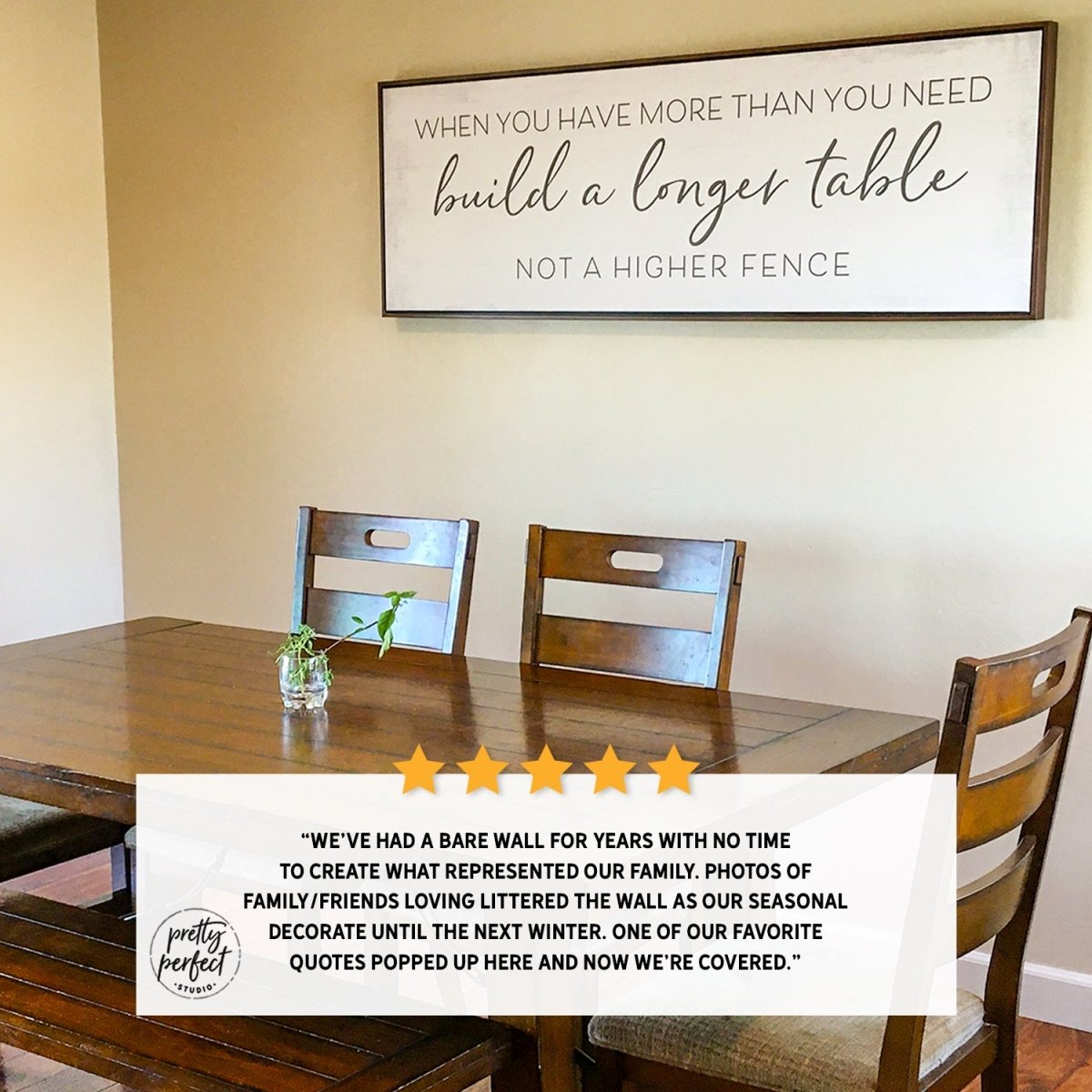
Credit: prettyperfect.com
Plant Walls
Plant walls bring fresh life to dining room decor. They create a natural, calming atmosphere that enhances mealtime. These green installations add texture and color, making walls stand out without overwhelming the space.
Plant walls also improve air quality and boost mood. They work well in Austin’s climate, blending indoor comfort with outdoor beauty. Building a plant wall can be simple, fun, and rewarding.
Creating Living Walls
Start with a sturdy frame or panel to hold plants. Use materials that resist moisture and support plant roots well. Modular panels with built-in pockets are ideal for beginners.
Install a watering system or water plants by hand carefully. Ensure good drainage to avoid damage to walls. Position your plant wall where it gets enough light but not direct harsh sun.
Arrange plants in patterns or clusters to create visual interest. Mix textures and heights for a dynamic look. Keep plants trimmed and healthy for a neat appearance.
Plant Selection Tips
Choose plants that thrive indoors with moderate light. Succulents, ferns, and pothos are popular choices for plant walls. Consider plants that need similar watering schedules for easy care.
Opt for varieties that resist pests and diseases. Select plants with varied leaf shapes and shades of green. This variety adds depth and charm to your living wall.
Check plant size and growth habits to avoid overcrowding. Replace plants that struggle or outgrow the space. Healthy plants create a vibrant dining room focal point.
Style Adaptations
Adapting dining room wall decor to your style creates a personal and inviting space. Each style brings a unique feel and character to the room. Choosing the right decor helps highlight your dining area’s personality.
Modern Minimalist
Modern minimalist style focuses on clean lines and simplicity. Use neutral colors like white, gray, or black on the walls. Choose wall art with simple shapes or abstract designs. Avoid clutter by selecting just a few statement pieces. Floating shelves with minimal decor items work well. Mirrors with thin frames add light and space without distraction.
Rustic And Cottage
Rustic and cottage styles add warmth and charm to dining rooms. Use natural materials like wood or stone on the walls. Hang vintage or handmade art for a cozy feel. Decorative plates or woven baskets create texture and interest. Warm colors like beige, brown, and soft greens suit this style. Wall sconces with a rustic finish provide soft, inviting light.
Eclectic Mix
Eclectic style blends different elements for a creative look. Combine various art styles, colors, and textures on the walls. Mix framed photos with mirrors and small shelves. Bright colors and bold patterns make the space lively. Display personal items or unique collectibles for character. Keep balance by arranging pieces thoughtfully to avoid chaos.
:strip_icc()/dining-area-bench-woven-chairs-27c84157-d67fb3d3a16148639a84ce48816d3295.jpg)
Credit: www.bhg.com
Diy Tips
Creating your own dining room wall decor can be fun and rewarding. Follow simple DIY tips to make your space unique and inviting. Focus on choosing the right materials, using proper tools, and keeping costs low. These steps help you build decor that fits your style and budget.
Choosing Materials
Select materials that match your dining room’s style and durability needs. Wood is warm and classic. Metal adds a modern touch. Fabric or canvas works well for soft textures. Consider paint or wallpaper for colorful backgrounds. Choose lightweight items for easy hanging. Pick materials that are easy to clean and maintain.
Tools And Techniques
Gather basic tools like a hammer, nails, level, and measuring tape. Use a drill for heavier pieces. A stud finder helps avoid damage to walls. Paintbrushes and rollers work for painting or stenciling. Learn simple techniques like layering frames or arranging art in grids. Take your time to measure carefully before hanging anything.
Budget-friendly Ideas
Use thrift store finds or repurpose old items for unique decor. Paint plain frames or shelves to refresh their look. Create your own art using stencils or prints. Use washi tape to make temporary designs. Look for sales on craft supplies and materials. Small changes like adding a mirror or floating shelf can brighten the space without costing much.
Frequently Asked Questions
How To Decorate The Walls Of A Dining Room?
Decorate dining room walls with gallery walls, large statement art, mirrors, or decorative shelves. Add sconces, tapestries, murals, or plant walls for texture and light. Use personal art or collections to create a unique, inviting atmosphere. Choose pieces that complement your dining room style and size.
What Is The 2 3 Rule For Wall Art?
The 2-3 rule for wall art means hanging art two-thirds up the wall or spacing pieces two to three inches apart for balanced visuals.
Is Diy Wall Decor Cheaper Than Buying?
DIY wall decor often costs less than buying ready-made pieces. It saves money on materials and customization fees. However, costs vary by project complexity and materials used.
What Is The Rule Of Wall Decor?
Wall decor rules include balancing size, style, and color with room design. Hang art at eye level and avoid overcrowding walls. Use focal pieces and mix textures to add interest. Ensure decor complements furniture and lighting for a cohesive, inviting dining space.
Conclusion
Building dining room wall decor allows you to express your style easily. Choose pieces that fit your space and taste. Mix art, mirrors, and shelves for a balanced look. Use simple ideas like tapestries or floating shelves to add charm.
Remember, your dining room should feel warm and inviting. Small touches create a big impact. Enjoy the process and make your walls speak your personality.