Is your long dining room feeling more like a narrow hallway than a welcoming space? You’re not alone—decorating a long, narrow dining area can be tricky.
But with the right approach, you can transform it into a stylish and functional room where every meal feels special. Imagine a dining room that not only fits your family and guests comfortably but also looks balanced and inviting from every angle.
Ready to discover simple yet effective tips that will make your long dining room shine? Keep reading, because we’re about to unlock decorating secrets that will change the way you see your space forever.
Layout Tips For Long Rooms
Long dining rooms can feel empty or awkward without the right layout. Careful planning of furniture and space helps make the room inviting and functional. This section shares simple tips to arrange a long dining room with style and comfort.
Zoning And Flow
Divide the room into separate zones to avoid a tunnel effect. Use rugs or lighting to define areas like dining and sitting spots. Keep pathways clear for easy movement through the space. Place furniture to guide people naturally from one zone to another. This improves both function and comfort.
Balanced Furniture Placement
Arrange furniture evenly on both sides of the room. Avoid clustering all pieces at one end to maintain balance. Use a large dining table centered in the room as an anchor. Add sideboards or benches opposite the table for symmetry. Keep furniture scale in mind to fill space without crowding. Balanced placement makes the room feel harmonious and welcoming.
Choosing Dining Chairs
Dining chairs set the tone for your long dining room. They bring comfort and style to your space. Selecting the right chairs helps define the room’s character and balance its length.
Consider both design and function. Chairs should fit the room’s size and complement your table. The right mix creates a welcoming and attractive dining area.
Mixing Styles And Materials
Mix different chair styles to add interest. Combine classic wooden chairs with modern metal frames. This blend creates a dynamic and unique look.
Use various materials like leather, fabric, or wood. Mixing textures adds depth and warmth. It also prevents the room from feeling too uniform or cold.
Choose colors that match or contrast gently. This keeps the space lively without clashing. A balanced mix invites guests to enjoy the room.
Comfort And Scale
Comfort is key for long dinners and gatherings. Select chairs with cushioned seats and supportive backs. This encourages guests to stay longer.
Scale the chairs to fit your table and room size. Avoid bulky chairs in narrow spaces. Slim, elegant designs keep the room open and airy.
Measure your space carefully. Leave enough room between chairs for easy movement. Proper scale improves flow and usability in a long dining room.
Lighting Ideas
Lighting plays a key role in decorating a long dining room. It sets the mood and shapes the space visually. Proper lighting can break the room’s length and make it feel cozy and inviting. Brightness and style work together to enhance the dining experience. Explore ideas that fit your room’s size and design.
Statement Chandeliers
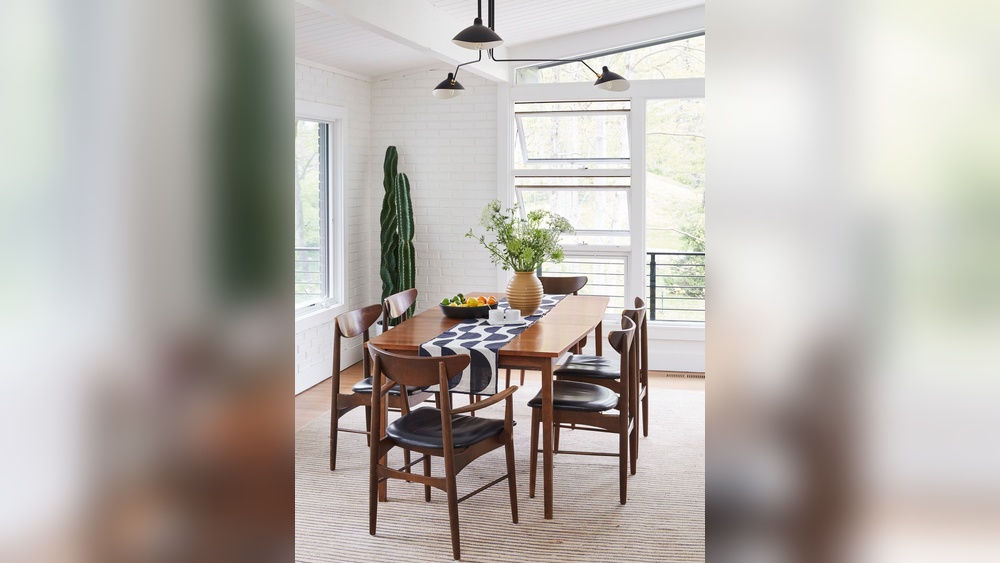
A bold chandelier creates a strong focal point in a long dining room. Choose one with a wide spread to fill the space above the dining table. It draws the eye upward, adding height and interest. A unique design adds personality and style. Crystal, metal, or wood finishes work well, depending on the room’s theme.
Place the chandelier centrally above the table for balanced lighting. It helps anchor the space and stops the room from feeling too stretched out. Consider multiple smaller chandeliers if your dining room is very long. This creates rhythm and visual breaks along the length.
Layered Lighting
Layered lighting mixes different light sources for a warm, flexible atmosphere. Combine ceiling lights, wall sconces, and table lamps. This approach avoids harsh shadows and creates depth.
Use dimmers to adjust light levels for various occasions. Soft ambient light works for dinners, while brighter task lighting suits meal prep or cleaning. Wall sconces along the walls add soft glow and reduce the room’s length visually. Table lamps on sideboards or shelves add style and extra light.
Art And Mirrors
Decorating a long dining room with art and mirrors creates interest and balance. These elements break up the length and add character. Art brings color and personality. Mirrors reflect light and open the space. Together, they make the room feel inviting and stylish.
Bold Statement Pieces
Choose large art pieces to fill empty walls. Bold colors or unique designs catch the eye. Place one or two statement artworks along the length. This draws attention and adds focal points. Avoid small pieces that get lost in the space. Large frames or canvases provide impact and style. Art can reflect your taste and enhance the room’s theme.
Mirrors To Expand Space
Mirrors make a long dining room feel bigger and brighter. Use large mirrors on one wall to reflect light. This creates depth and tricks the eye. Choose simple frames to keep the look clean. Group smaller mirrors in a pattern for visual interest. Position mirrors opposite windows for maximum light. Mirrors balance the room and prevent it from feeling narrow.
Centerpiece Options
Choosing the right centerpiece can transform a long dining room. It brings focus and style to the space. The centerpiece should match the room’s length and overall design. Here are some simple yet effective options to consider. Each adds a different mood and texture to your dining area.
Fresh Flowers And Greenery
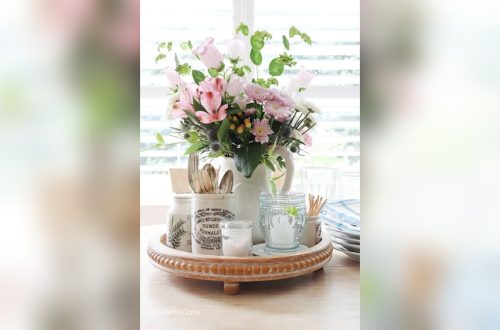
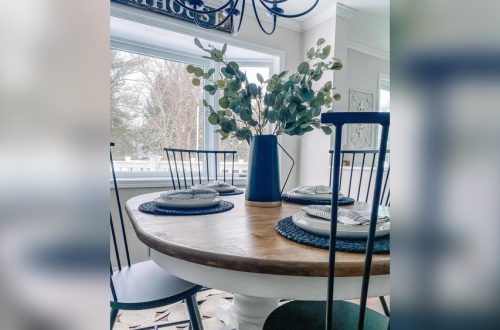
Fresh flowers add color and life to any table. Use long, low arrangements to keep sight lines clear. Greenery creates a natural, calming effect. Mix flowers and leaves for variety. Change them with the seasons to keep the look fresh and inviting. Avoid tall, bulky bouquets that block guests’ views.
Candles And Lanterns
Candles create warmth and soft light in a long dining room. Use groups of small candles or a few large ones. Lanterns add charm and a rustic feel. Place them evenly along the table for balance. Choose unscented candles to avoid overpowering food aromas. Candlelight invites conversation and relaxation.
Decorative Bowls And Trays
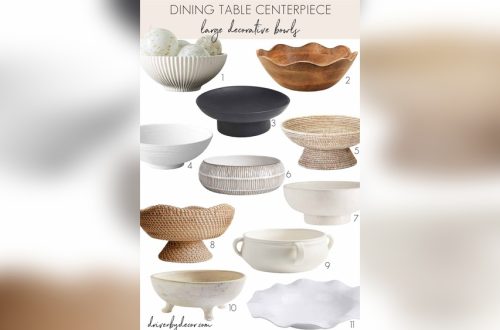
Decorative bowls bring texture and color without overwhelming the space. Fill them with fruit, nuts, or seasonal items for interest. Trays help organize smaller pieces like salt and pepper shakers or small plants. Use trays to create neat clusters along the table. This method keeps the centerpiece tidy and stylish.
:max_bytes(150000):strip_icc()/201105-MV-CandaceMaryLongfellow_008-1-25517521e3604a32b7aa525246ec25db.jpg)
Credit: www.thespruce.com
Incorporating Patterns And Textures
Incorporating patterns and textures can transform a long dining room from plain to inviting. Patterns add visual interest and can break up the space. Textures bring warmth and depth, making the room feel cozy and balanced.
Using patterns and textures together creates a rich, layered look. This approach highlights personal style and helps define different areas in the room. It also makes the dining space more dynamic and lively.
Using Multiple Patterns
Mix at least three patterns in your dining room décor. Choose patterns for rugs, curtains, or pillows. Include solids as a subtle pattern to balance bold prints. Combine stripes, florals, and geometric shapes for variety. Keep colors complementary to avoid overwhelming the space.
Using different pattern scales adds interest. Large patterns work well on walls or rugs. Smaller patterns suit cushions or table linens. This contrast makes the room feel layered and thoughtful.
Blending Textures For Depth
Blend various textures to add depth and warmth. Use velvet or linen for soft furnishings. Add wooden furniture for natural texture. Mix smooth, rough, shiny, and matte surfaces.
Textured elements create a cozy atmosphere in a long room. Layer textures to avoid flatness and coldness. For example, pair a wooden table with a soft fabric runner. Include textured wall art or woven baskets to complete the look.
Mixing Design Eras
Mixing design eras breathes life into a long dining room. This approach blends styles from different times to create a unique space. It balances old and new elements, making the room feel dynamic and inviting.
Using pieces from multiple design periods adds character. It breaks the monotony of a long room and creates focal points. Each era brings its own charm, texture, and color, enhancing the overall decor.
Combining Traditional And Modern
Pair classic dining chairs with a sleek, modern table. The contrast highlights both styles without clashing. Traditional elements like a chandelier or ornate mirror add warmth and elegance.
Modern furniture brings clean lines and simplicity. This keeps the room feeling fresh and open. Use neutral colors to tie both styles together smoothly. A mix of soft and hard textures adds depth.
Adding Vintage Touches
Vintage pieces create a nostalgic vibe in the dining area. Look for antique sideboards or old-fashioned light fixtures. These items add personality and history to the space.
Mix vintage with contemporary art or accessories for balance. Small vintage details, such as a patterned rug or decorative plates, work well. They give the room a lived-in, cozy feel without overwhelming it.
Color Schemes
Choosing the right color scheme is essential for decorating a long dining room. Colors influence mood and define the space. A well-planned palette can make the room feel balanced and inviting. It helps break the length visually and adds character. Focus on harmony between walls, furniture, and decor. Use colors to create zones or highlight features. Consider natural light and room size when selecting hues. Simple schemes with texture or bold accents work well for long spaces.
Limited Palette With Texture
Using a limited color palette creates a calm, cohesive look. Choose two or three main colors for walls and furniture. Add interest by mixing different textures like wood, linen, or velvet. Textures bring depth without cluttering the space. For example, pair smooth painted walls with a rough woven rug. This contrast adds warmth and dimension. Stick to neutral or soft tones to keep the room feeling open. Textured elements help the eye move naturally along the room.
Colorful Accents
Introduce colorful accents to add energy and break monotony. Use bright cushions, artwork, or vases in bold shades. Limit accent colors to one or two to avoid overwhelming the room. Place accents strategically along the length to create visual stops. This technique draws attention and balances the space. Colors like deep blue, warm orange, or rich green work well. Accents provide personality without crowding the dining area. They also allow easy updates as trends change.
Styling With Extras
Styling with extras brings personality and charm to a long dining room. These finishing touches make the space feel warm and inviting. Careful selection of accessories highlights your style without overwhelming the room.
Extras include decorative items, art, and functional pieces. They balance the room’s length and add visual interest. Smart styling creates a cozy, well-designed dining area.
Personalized Accessories
Choose accessories that reflect your taste and story. Family photos, unique vases, or handmade items add character. A collection of small items can create a focal point on a sideboard or shelf.
Use a mix of textures and colors to add depth. Items like woven baskets, ceramic bowls, or metal candle holders work well. Personal touches make the dining room feel special and welcoming.
Avoiding Clutter
Keep accessories simple and purposeful to avoid clutter. A long dining room can feel crowded if filled with too many objects. Select a few key pieces to decorate surfaces without crowding them.
Leave space around items so the room feels open and airy. Regularly remove or rotate accessories to maintain freshness. Clean surfaces enhance the room’s elegance and comfort.

Credit: www.castlery.com
:strip_icc()/DesignedbyEmilyHendersonDesign_PhotobySaraTramp_8-10c43b6e9b6a4f529313664f218e5721.jpg)
Credit: www.mydomaine.com
Frequently Asked Questions
What Is The 3 4 5 Rule In Interior Design?
The 3-4-5 rule in interior design means using at least three patterns, four styles, and five colors or textures. This creates a balanced, layered, and personalized space. It guides design choices and adds visual interest without clutter. Adjust numbers to suit your style or room size.
What Can I Put In The Middle Of My Dining Room Table?
Place fresh flowers, succulents, or a fruit bowl as a centerpiece. Use candles, lanterns, or decorative trays for style and function. Keep items low to maintain clear sightlines across the table. Vintage finds or planter boxes add unique charm and personality.
What Is The Dining Room Trend In 2025?
The 2025 dining room trend blends diverse patterns, textures, and styles for a personalized, balanced look. Layer three patterns, mix four design eras, and use five colors or textures. This creates depth, visual interest, and a unique, eclectic dining space.
How To Fill A Large Dining Room Wall?
Fill a large dining room wall with a bold statement artwork or a large mirror. Add floating shelves or a gallery wall for interest. Use textured wallpaper or paint to create depth. Incorporate tall plants or decorative sconces to balance the space visually.
Conclusion
Decorating a long dining room takes thoughtful planning and creativity. Use varied patterns, styles, and colors to add interest and balance. Lighting and artwork help break up the length and create focal points. Keep the space inviting by mixing textures and simple centerpieces.
Avoid clutter to maintain an open, airy feel. With these tips, your dining room can feel cozy and stylish at the same time. Enjoy making the space your own and have fun decorating!