Choosing the right home office desk can make a huge difference in your comfort, productivity, and overall work experience. You want a desk that fits perfectly in your space, meets your daily needs, and matches your style—without causing frustration or wasted money.
But with so many options out there, how do you find the one that’s truly right for you? In this guide, you’ll discover simple, practical steps to select a desk that feels like it was made just for your home office.
Keep reading, and you’ll soon be working smarter and more comfortably than ever before.
Credit: www.apartmenttherapy.com
Measure Your Space
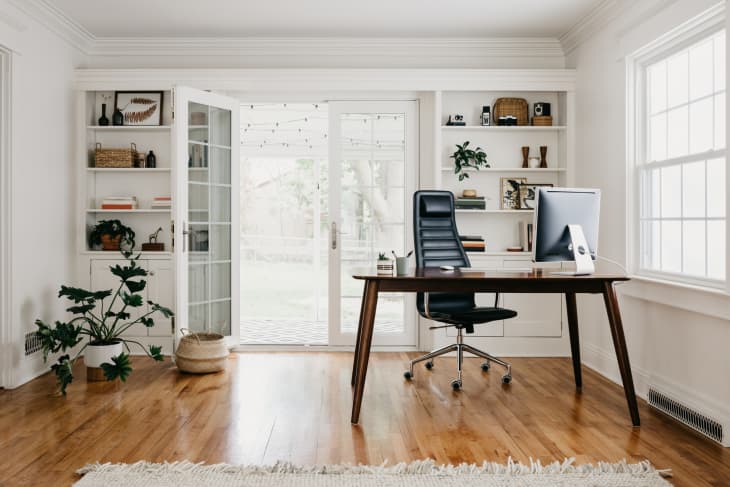
Measuring your space is the first step in choosing the right home office desk. It helps you find a desk that fits well without crowding the room. Taking accurate measurements avoids buying a desk too big or too small. This makes your workspace comfortable and efficient. Focus on width, depth, height, and clearance. Also, consider space for your chair and footrest.
Width And Depth Dimensions
Measure the width of the area where you want the desk. This is the horizontal space available on the wall or floor. Check the depth too, which is the distance from front to back. Your desk should fit within these limits. Leave some extra room for movement and small items. A desk too deep or wide can block pathways or other furniture.
Height And Clearance
Check the height of your space, especially if there are shelves or windows above. The desk must fit without blocking or hitting anything. Also, measure the clearance under the desk. This is important for your legs and any equipment like a CPU tower. Proper clearance keeps you comfortable and prevents strain during work.
Chair And Footrest Space
Allow enough space for your chair to move freely. Measure the area behind the desk for the chair to slide in and out. Also, consider room for a footrest if you use one. This space helps maintain good posture and comfort. Without enough space, your movement will be limited, causing discomfort over time.
Assess Workspace Needs
Assessing your workspace needs is the first step in choosing the right home office desk. Understand the size and layout of your room. Think about how much surface space you require. Consider the types of tasks you perform daily. These points help narrow down your desk options.
Also, take note of your storage needs. Will you need drawers or shelves? Plan for legroom and comfort. A well-suited desk supports productivity and reduces strain.
Minimalist Desks For Small Areas
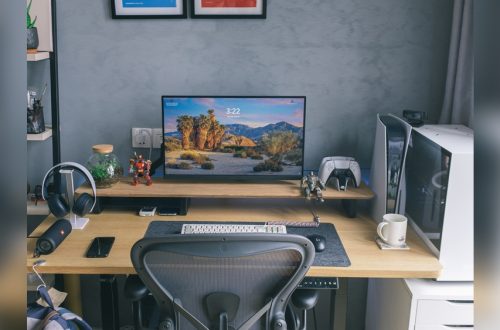
Minimalist desks fit perfectly in small rooms. They have clean lines and simple designs. These desks save space and reduce clutter. Choose one with a slim profile to maximize your floor area. Many models offer just enough surface for a laptop and a few essentials.
Such desks help keep your workspace tidy. They are great for focused work without distractions. If you prefer a neat and airy room, a minimalist desk is ideal.
L-shaped Desks For Larger Setups
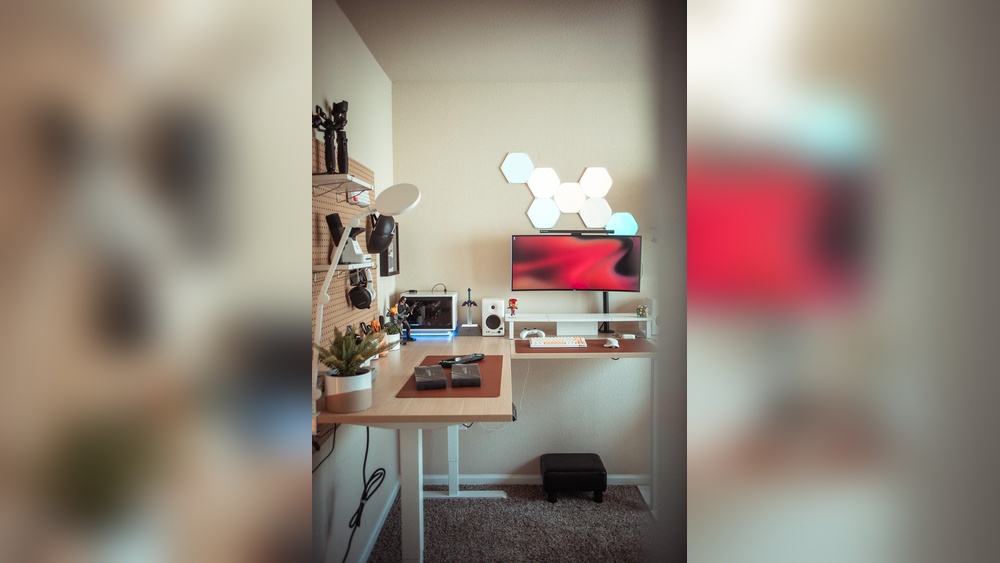
L-shaped desks suit bigger rooms and corner spaces. They provide two connected surfaces forming an “L” shape. This design offers ample space for multiple tasks. You can place a computer on one side and paperwork on the other.
This type of desk helps organize work materials efficiently. It creates a dedicated zone for different activities. Choose one with extra storage to keep your desk clean. L-shaped desks make multitasking easier and more comfortable.
Multi-monitor And Paperwork Space
If your work involves several screens or lots of documents, surface area matters. Look for desks wide enough to hold multiple monitors. Also, find space for filing papers, notebooks, or other tools.
Consider desks with cable management features. They keep wires neat and prevent tangling. A roomy desk reduces clutter and helps maintain focus. Ensure your desk height supports good posture during long hours.
Storage Options
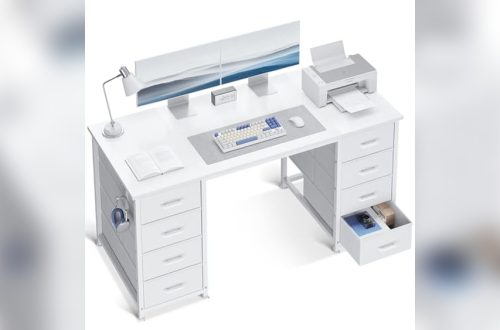
Storage options play a key role in choosing the right home office desk. They help keep your workspace tidy and organized. Good storage lets you store documents, supplies, and gadgets within easy reach. Consider how much storage you need and what type suits your work style and space.
Built-in Drawers And Shelves
Built-in drawers offer a neat way to store papers and tools. They keep clutter out of sight and your desktop clear. Shelves provide space for books, files, or decor. Both add convenience and help maintain a clean workspace. Choose desks with drawers and shelves if you prefer organized storage close by.
Cabinets Versus Open Space
Cabinets hide items and protect them from dust. They create a sleek look by concealing clutter. Open spaces or cubbies keep often-used items visible and easy to grab. They work well for creative work or active projects. Decide between cabinets and open space based on how often you need access to your supplies.
When To Skip Storage
Some desks come without storage to keep a minimalist style. Skip storage if you prefer a clean surface or use separate storage units. This option suits small rooms or those who work mostly on a computer. It also allows more legroom and flexibility in desk placement. Choose no storage if simplicity and space matter most.
Mobility And Flexibility
Mobility and flexibility are key factors when choosing a home office desk. A flexible desk adapts to different tasks and spaces. Mobility lets you change your setup easily. Both features improve comfort and productivity. They help create a dynamic workspace that fits your needs.
Lightweight Desks
Lightweight desks are easy to move and rearrange. They work well in small rooms or shared spaces. Materials like aluminum or light wood reduce weight. Carrying these desks doesn’t require much effort. They offer quick changes to your workspace layout.
Desks With Wheels
Desks with wheels provide smooth mobility around the room. Locking wheels keep the desk stable when needed. These desks suit active work environments. Moving your desk for cleaning or meetings is simple. Wheels add convenience without sacrificing desk stability.
Adjustable Height Desks
Adjustable height desks allow standing or sitting positions. They promote better posture and reduce fatigue. Easy height changes support different tasks and users. Some models have manual or electric adjustment features. Flexibility in height improves comfort throughout the workday.
Ergonomic Features
Ergonomic features in a home office desk support comfort and health. They reduce strain on your body during long work hours. Choosing a desk with the right ergonomic design helps maintain good posture and prevents pain. Focus on key aspects like desk height, legroom, and shape for better work experience.
Proper Desk Height
The desk height should match your sitting position. Your elbows should rest at a 90-degree angle when typing. A desk that is too high or too low causes shoulder and wrist pain. Adjustable height desks offer flexibility for different users. Measure your chair height to find the perfect desk height.
Legroom Considerations
Enough legroom allows you to sit comfortably without feeling cramped. It helps you stretch your legs and move freely. Check the space under the desk for clearance and any obstructions. Avoid desks with drawers or supports that block your legs. Comfortable legroom improves circulation and reduces fatigue.
Rounded Cut-out Designs
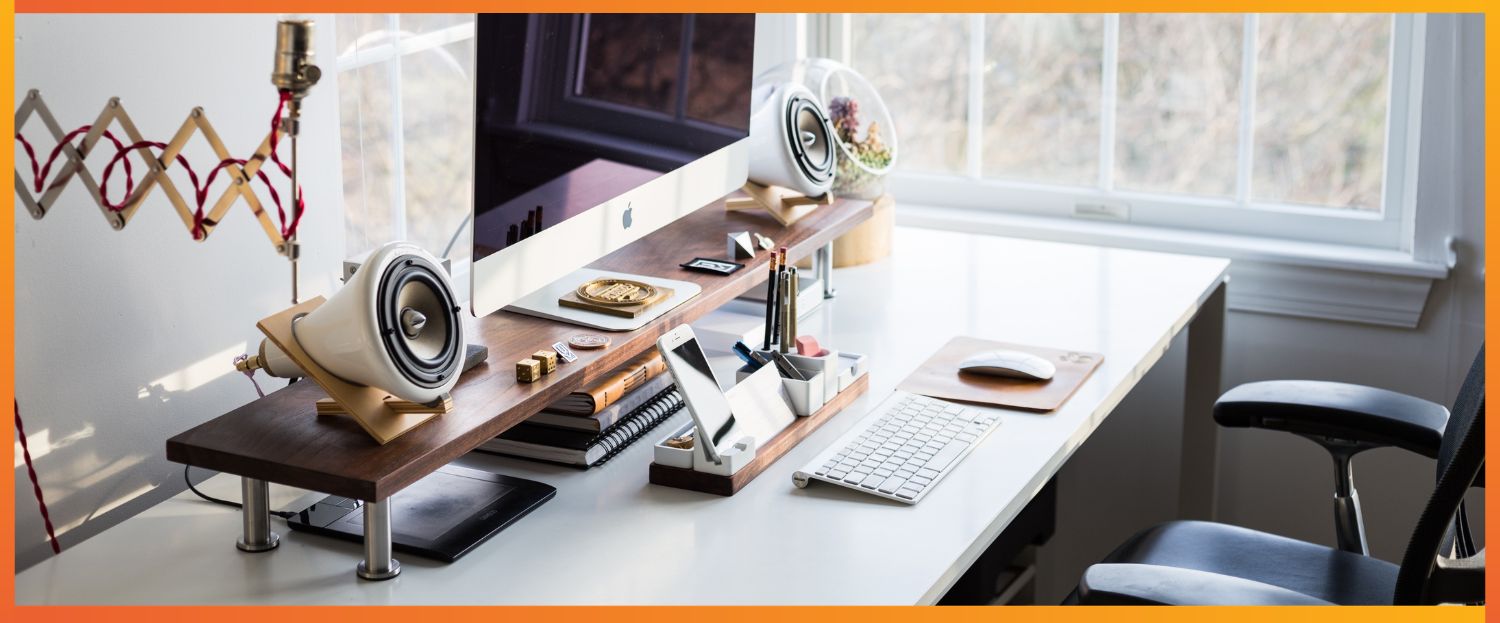
Desks with rounded cut-out shapes bring your body closer to the workspace. They reduce the need to stretch your arms forward. This design supports your wrists and forearms better. Rounded edges prevent sharp corners from digging into your body. They create a more ergonomic and comfortable setup for long hours.
Credit: www.chairoffice.co.uk
Material And Style
Choosing the right material and style for your home office desk impacts both function and look. The desk should suit your work habits and room design. Materials vary in durability, maintenance, and appearance. Style affects your comfort and how the space feels.
Solid Wood Options
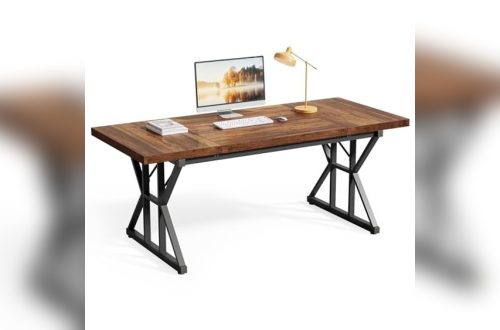
Solid wood desks offer durability and timeless beauty. They bring warmth and a natural look to your office. These desks often last for years with proper care. Wood surfaces resist scratches and dents well. They fit classic and rustic interior styles. Some popular woods include oak, maple, and walnut. Solid wood desks may require regular polishing to keep their shine.
Metal And Glass Desks
Metal and glass desks create a modern, sleek vibe. Metal frames provide strong support and a lightweight feel. Glass tops add a clean and spacious look. These desks are easy to clean and maintain. They suit minimalist or industrial room styles. Glass desks can show fingerprints, so frequent wiping is needed. Metal desks often come in black, silver, or white finishes.
Matching Room Aesthetics
Choose a desk style that fits your room’s decor. A matching desk enhances the overall harmony of your space. Consider the color, texture, and shape of existing furniture. Light-colored desks brighten small rooms. Dark desks create a cozy, focused atmosphere. Pick a style that inspires you to work productively. Balance comfort and visual appeal for the best results.
Durability And Quality
Choosing a home office desk requires attention to durability and quality. A desk must support your work needs every day without wearing out quickly. Investing in a sturdy, well-made desk saves money and hassle over time.
Sturdiness For Daily Use
Look for desks that feel solid and stable. They should not wobble or shake when you type or write. A sturdy desk handles the weight of monitors, books, and other items easily. This ensures comfort and safety during long work hours.
Material Longevity
Choose materials that last long and resist damage. Wood, metal, and high-quality laminates often offer good durability. Avoid desks made from cheap particleboard or thin plastic. These materials break or warp faster, especially with regular use.
Build Quality Checks
Examine the desk’s construction before buying. Check joints, screws, and edges for strong assembly. Smooth finishes and even surfaces show good craftsmanship. A well-built desk stays reliable and looks good for years.
Complementary Seating
Choosing the right complementary seating is as important as selecting the desk itself. Your chair affects comfort, posture, and productivity. A well-matched chair helps you stay focused longer without strain or discomfort. Pay close attention to how the chair supports your body and fits with the desk height.
Ergonomic Chair Choices
Ergonomic chairs support natural body curves. They reduce back pain and fatigue. Look for adjustable features like seat height, backrest angle, and armrests. These allow you to customize the chair to your body shape. Good lumbar support is key to protect your lower back.
Comfort And Support
Comfort matters for long work hours. Choose a chair with breathable material to avoid sweating. Padding should be firm but soft enough to prevent pressure points. Proper support keeps your spine aligned and reduces muscle tension. A comfortable chair helps maintain good energy throughout the day.
Chair And Desk Coordination
The chair and desk must work together. Check that the chair height fits the desk so your arms rest comfortably while typing. Ensure there is enough legroom under the desk. The styles should also complement each other for a neat, professional look. Proper coordination improves your overall workspace experience.
Standing Desk Benefits
Standing desks have grown in popularity for home offices. They offer a simple way to improve comfort and productivity. Many users enjoy the option to switch between sitting and standing. This flexibility helps reduce stiffness and fatigue. Understanding the benefits of standing desks can guide you in choosing the best one for your space.
Health Advantages
Standing desks can reduce back and neck pain. Standing improves posture and lowers pressure on the spine. It also increases blood flow and energy levels. Using a standing desk may help prevent weight gain. It encourages more movement during the day. This can lead to better overall health and focus.
Adjustable Features
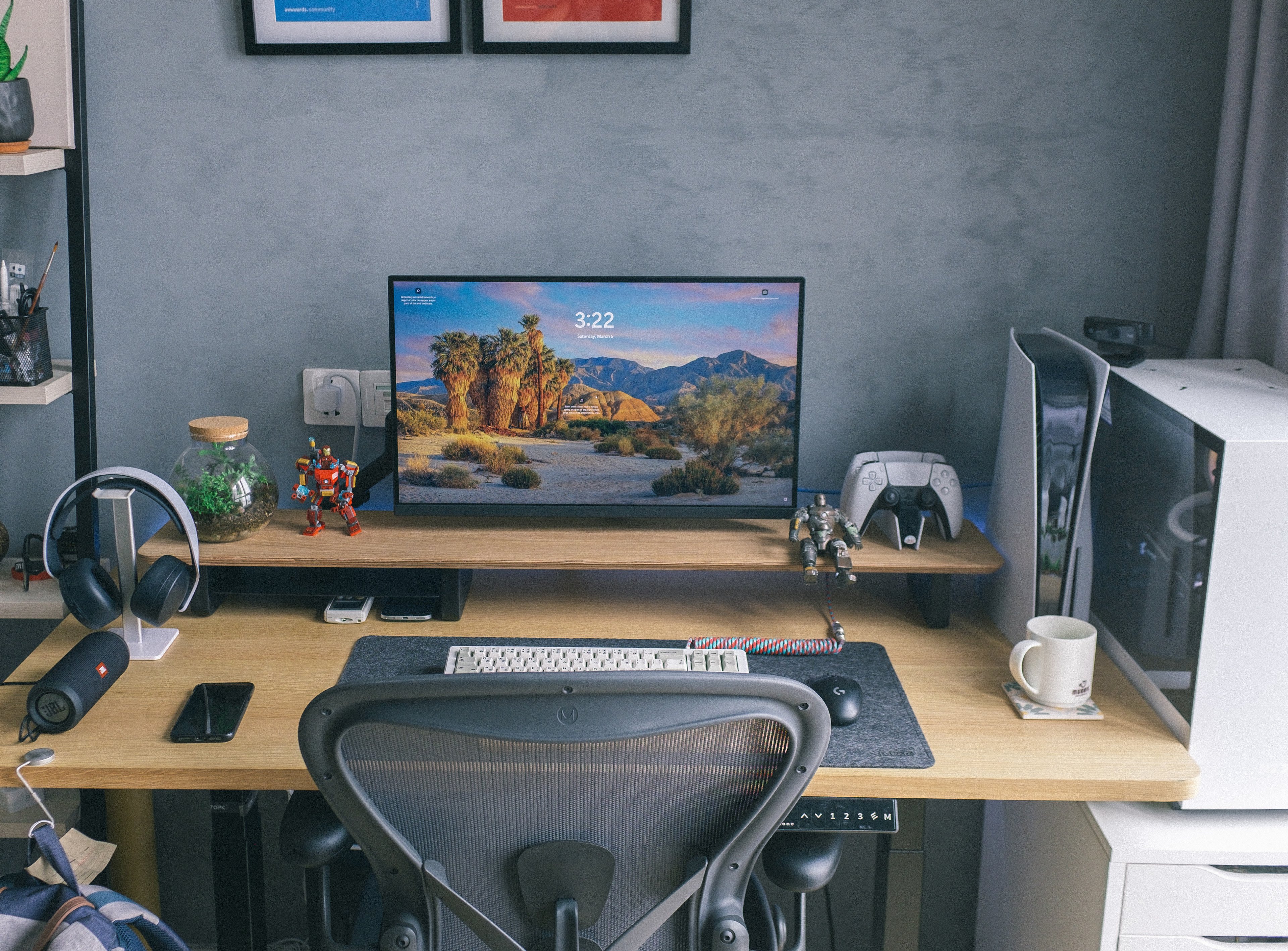
Adjustable desks fit different heights and work styles. Many models let you change the desk height easily. This helps you find the perfect position for sitting or standing. Some desks offer electric controls for smooth adjustments. Others use manual mechanisms like hand cranks. Choose a desk with stable and easy-to-use adjustments.
Choosing The Right Model
Think about your workspace size before buying. Measure your area to ensure the desk fits well. Consider your budget and the desk’s weight capacity. Look for desks with good reviews on durability and ease of use. Features like cable management and surface space matter too. Pick a desk that matches your needs and room style.
Credit: www.benq.com
Frequently Asked Questions
How To Pick A Desk For A Home Office?
Measure your space to ensure the desk fits comfortably. Choose a desk style that suits your work needs and room size. Prioritize ergonomic design, sufficient legroom, and storage options. Select durable materials and match the desk to your home office style for a functional and comfortable setup.
What Is The 20 8 2 Rule For Standing Desks?
The 20-8-2 rule for standing desks means stand for 20 minutes, sit for 8 minutes, and move for 2 minutes each half-hour. This balances activity and rest to reduce fatigue and improve health during work.
What Are The 3 P’s For Having A Clean Desk?
The 3 P’s for a clean desk are Plan, Protect, and Pick up. Plan your day, protect your workspace, and pick up clutter regularly.
What To Consider When Buying A Desk?
Measure your space to ensure a good fit. Choose a desk type that suits your work style. Prioritize storage, durability, and ergonomic comfort. Ensure enough surface area and legroom. Select materials and design that match your style and budget.
Conclusion
Choosing the right home office desk makes work easier and more comfortable. Measure your space well before buying to avoid mistakes. Think about how much surface area you need and if storage is important. Don’t forget to check the desk height and legroom for better comfort.
A well-chosen desk helps keep your workspace organized and efficient. Take your time to find one that fits your style and needs. This simple step improves your productivity every day.