You want to create a productive home office but don’t have a desk. It might sound tricky, but it’s actually easier than you think.
Imagine turning any corner of your home into a focused workspace without the need for bulky furniture. Whether you’re tight on space or just prefer a minimalist setup, this guide will show you smart, simple ways to make a home office that fits your lifestyle perfectly.
Ready to discover creative ideas that boost your efficiency and comfort? Keep reading—your ideal workspace is just a few steps away.
Alternative Work Surfaces
Creating a home office without a desk is easier than it seems. Alternative work surfaces can offer comfort and functionality. They also help save space in small rooms. Use what you already have at home to build a practical workspace. Here are some ideas that fit different needs and styles.
Using Kitchen Countertops
Kitchen countertops provide a sturdy and wide surface to work on. They often have good lighting, which is great for productivity. Standing while working here helps reduce back pain. Place your laptop or papers on the counter and add a comfortable stool if needed. Keep your work items organized to avoid clutter on the countertop.
Dining Table Setup
The dining table can double as a workspace during the day. It offers plenty of room for a laptop, notebooks, and other supplies. Choose a quiet corner of the room to limit distractions. Use comfortable chairs that support good posture. Clear the table after work to keep the space ready for meals and family time.
Fold-down Wall Desk
A fold-down wall desk saves floor space and looks neat. It attaches to the wall and folds up when not in use. This option is perfect for small rooms or apartments. Install shelves above to store office supplies and keep everything within reach. Fold it down when work starts and fold it up to free space afterward.
Creative Seating Options
Creative seating options open many possibilities for a home office without a desk. They save space and add comfort to your work area. Choosing the right seating helps you stay focused and relaxed. Below are some ideas to get you started.
Floor Cushions And Poufs
Floor cushions and poufs offer casual seating for your workspace. They come in various colors and sizes to match your style. These seats keep your office cozy and flexible. You can move them easily to change your work setup. Sitting low can also improve your posture and reduce back pain.
Ergonomic Stools
Ergonomic stools support your body during long work hours. They encourage active sitting, which helps keep your spine aligned. Many stools have adjustable heights to fit your needs. They take up less room than traditional chairs. Using a stool can increase your comfort and energy.
Standing Desk Alternatives
Standing desk alternatives let you work while standing or shifting positions. Use tall tables or counters as a workspace. Adjustable laptop stands can raise your screen to eye level. Anti-fatigue mats reduce strain on your feet and legs. Changing between sitting and standing improves circulation and focus.
Vertical And Built-in Storage
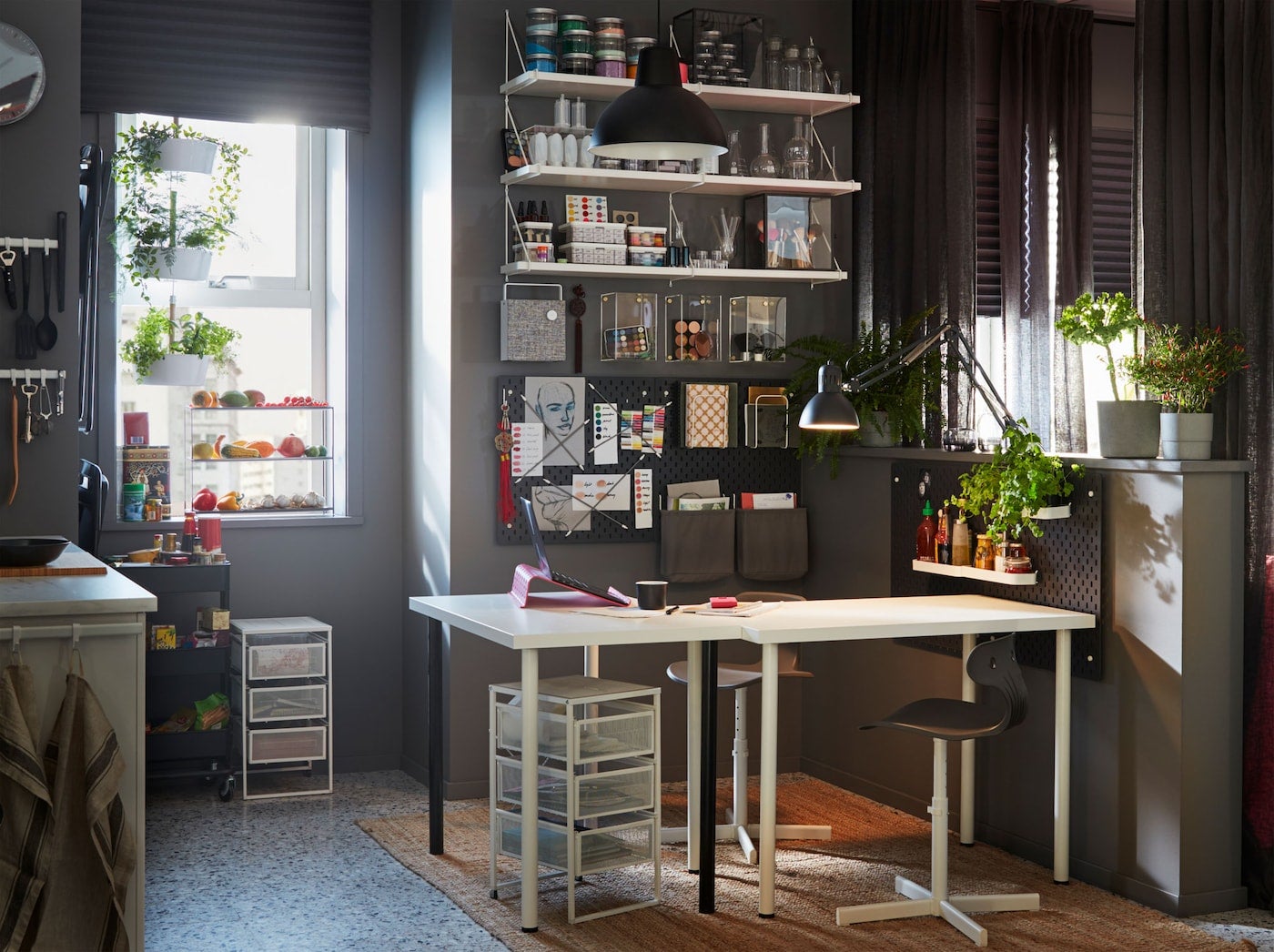
Creating a home office without a desk needs smart use of space. Vertical and built-in storage offers practical solutions. These options help keep your work area organized and clutter-free. They maximize your room by using walls and corners.
Vertical storage means using the height of your walls for shelves or cabinets. Built-in storage fits into your walls or small spaces perfectly. Both help you store office supplies and documents efficiently. You can focus on work without distractions from mess.
Wall Shelves And Cabinets
Wall shelves provide easy access to books and files. Install them above your seating area or on empty walls. Cabinets with doors keep items hidden for a clean look. Choose adjustable shelves to fit different sized items. This setup saves floor space and keeps everything at hand.
Floating Storage Solutions
Floating storage looks modern and feels light in small rooms. These units attach directly to the wall without legs. Use floating shelves or drawers to hold office essentials. They create more floor space and make cleaning easier. Place them near your chair or seating spot for convenience.
Compact Built-in Units
Built-in units fit neatly into small nooks or corners. They can include shelves, drawers, and cabinets combined. This option uses space that often goes unused. Custom built-ins match your room’s style and size perfectly. They keep your office supplies organized and close by.
Credit: www.bobvila.com
Lighting And Ambiance
Lighting and ambiance shape the feel of any home office. Without a desk, these elements become even more vital. Good lighting helps reduce eye strain and keeps energy levels high. The right ambiance supports focus and creativity. Creating a balanced, inviting space can turn any corner into a productive office area.
Layered Lighting Techniques
Use different types of lighting for a balanced effect. Start with ambient light to brighten the whole area. Add task lighting for focused work, such as a clip-on lamp or floor light. Accent lighting highlights decor or a favorite spot. Layers of light prevent shadows and keep the space cozy.
Using Mirrors For Light
Mirrors reflect both natural and artificial light. Place a mirror opposite a window to bounce daylight inside. This trick makes the room feel larger and brighter. Use decorative mirrors to add style and spread light evenly. Mirrors help brighten a small area without extra lamps.
Statement Wallpaper And Decor
Bold wallpaper or wall art sets the tone of your office nook. Choose light colors or subtle patterns for a calm vibe. Bright, lively prints can boost mood and energy. Pair wallpaper with matching decor to create a cohesive look. This adds personality and warmth without clutter.
Tech Setup Without A Desk
Setting up your tech without a desk can be simple and effective. You only need a few smart tools and tricks. This way, you create a clean and organized workspace anywhere at home. Your tech gear stays safe and easy to use.
Laptop Stands And Risers
Laptop stands lift your computer to eye level. They improve posture and reduce neck strain. Risers add height and create space underneath. Use them on any flat surface like counters or shelves. Choose lightweight, foldable stands for easy storage. This keeps your setup flexible and comfortable.
Cable Management Tips
Keep cables neat to avoid clutter and tangles. Use cable clips or ties to group wires together. Attach them along walls or furniture edges for order. Label each cable for quick identification. A tidy setup helps you focus and prevents accidents. It also makes your space look professional.
Cloud Storage And Connectivity
Store files in the cloud to access them from any device. This reduces the need for bulky storage hardware. Choose reliable services with strong security. Fast internet is essential for smooth video calls and file sharing. Use Wi-Fi extenders if your signal is weak. Good connectivity keeps you productive without a desk.
Credit: www.lifesahmazing.com
Maximizing Small Spaces
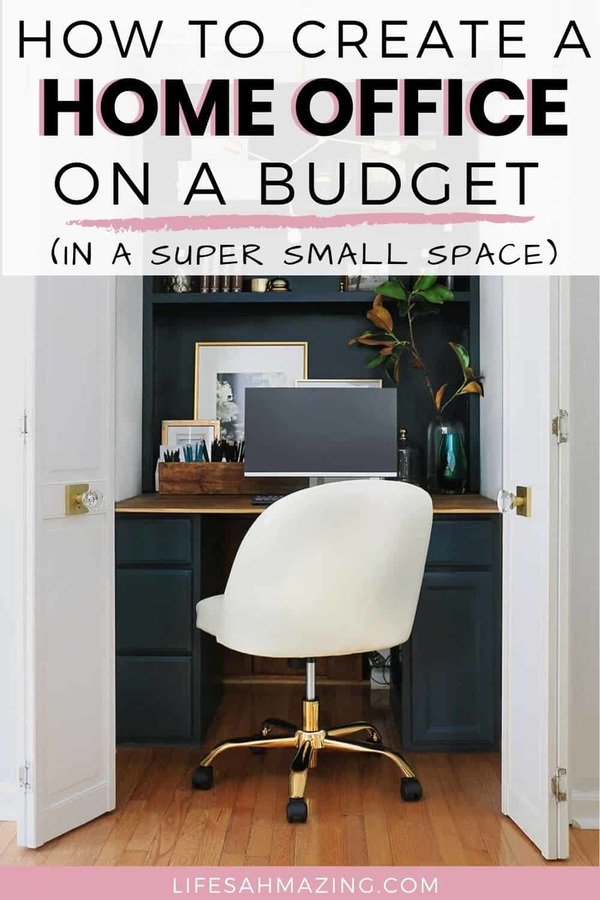
Creating a home office without a desk can be a challenge, especially in small spaces. It takes smart planning to make the most of every inch. Small areas can feel cramped, but thoughtful design can open them up. You can set up a work zone that fits your needs without a bulky desk. Focus on flexibility and simplicity to keep your space tidy and productive.
Shared Living Room Work Areas
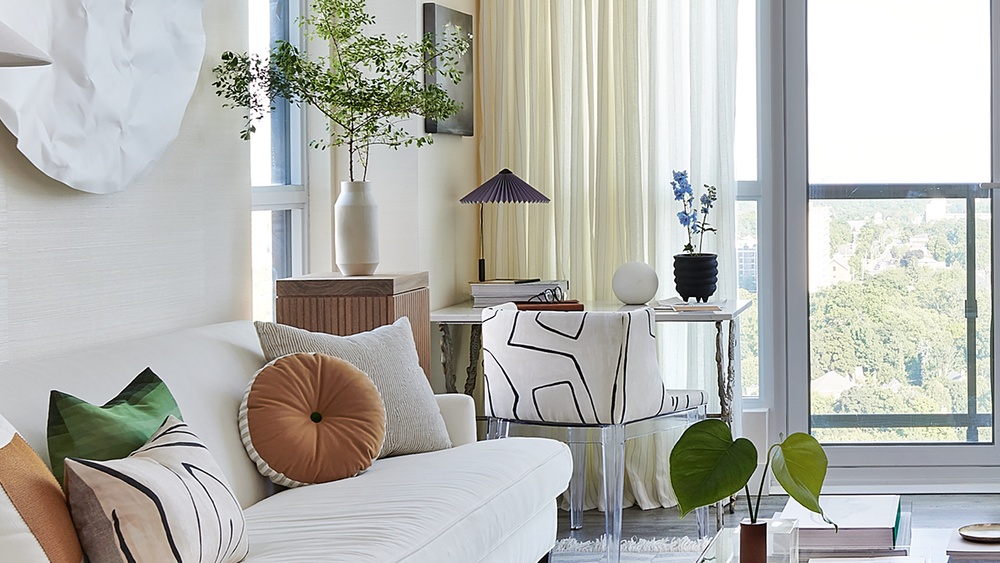
Use a corner of your living room for work. Place a laptop on a sturdy coffee table or ottoman. Add a comfortable chair that supports good posture. Use a lap desk for extra stability if needed. Keep work materials in baskets or trays nearby. This keeps the area organized and easy to clear away after work. Choose furniture that blends with your living room style. This makes your workspace feel like part of the room, not an eyesore.
Multi-purpose Furniture
Pick furniture that serves more than one function. A fold-out couch can become a seating area and a guest bed. Use a storage bench as seating and a place to keep work supplies. A wall-mounted fold-down table saves floor space and acts as a desk. Rolling carts can hold office items and move around as needed. This furniture helps keep your small space neat and flexible. It allows you to work comfortably without needing a permanent desk.
Decluttering For Focus
Clear surfaces help you focus better. Keep only essential items in your workspace. Store papers and supplies in boxes or drawers. Use cable organizers to avoid messy cords. Remove distractions like TV remotes or clutter. A tidy area reduces stress and boosts productivity. Regularly tidy your space to maintain a calm environment. Less clutter means more room for ideas and work.
Comfort And Ergonomics
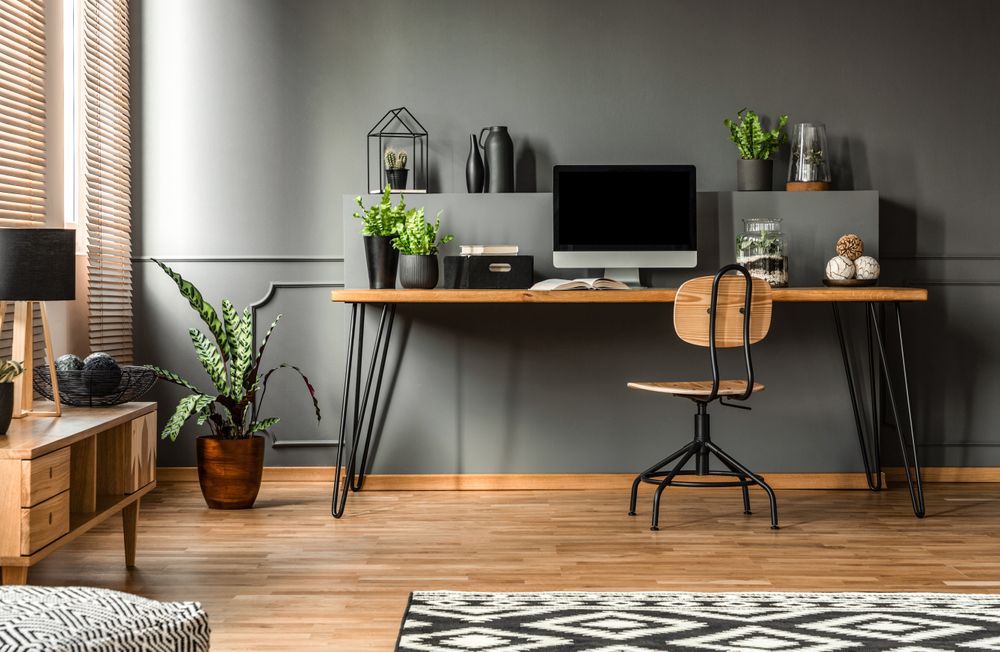
Creating a comfortable and ergonomic home office without a desk is essential for health and productivity. Comfort helps reduce muscle strain and fatigue during work hours. Ergonomics focuses on arranging your workspace to fit your body’s needs. This approach prevents pain and boosts focus, even without traditional furniture.
Posture Tips Without A Desk
Keep your back straight and shoulders relaxed. Avoid slouching or leaning forward. Use a stable surface for your laptop or notebook at eye level. This prevents neck strain. Keep your feet flat on the floor or on a footrest. Align your wrists straight while typing to avoid strain.
Alternate Sitting And Standing
Change your position every 30 to 60 minutes. Standing helps reduce lower back pain and improves circulation. Sit on a chair with good support when resting. Use a high countertop or kitchen island to stand and work. Moving often keeps your body active and reduces stiffness.
Supportive Accessories
Use cushions or rolled towels for lumbar support. A laptop stand or stack of books lifts your screen to eye level. Consider an external keyboard and mouse for better hand positioning. Anti-fatigue mats make standing more comfortable. Wrist rests help reduce pressure during typing.
Credit: www.bestar.com
Frequently Asked Questions
How To Work From Home With No Desk?
Work from home without a desk by using a kitchen countertop, dining table, or lap desk. Maintain good posture and keep your screen at eye level. Alternate between sitting and standing. Use portable organizers to keep supplies handy and create a comfortable, flexible workspace anywhere.
What Are The 3 P’s For A Clean Desk?
The 3 P’s for a clean desk are: Purpose, Placement, and Purge. Keep only necessary items, organize them well, and regularly remove clutter.
How To Have A Home Office With No Space?
Create a workspace using a fold-down desk or countertop. Add vertical shelves and compact furniture. Use mirrors and layered lighting to enhance space. Opt for built-in storage and choose comfortable seating. Keep the area organized to maximize small spaces efficiently.
What Is The Alternative To Sitting At A Desk?
A popular alternative to sitting at a desk is using a standing desk. It reduces lower back strain and encourages movement. Alternating between standing and sitting improves comfort and productivity throughout the day.
Conclusion
Creating a home office without a desk can be simple and effective. Use available spaces like countertops or dining tables. Add shelves or wall-mounted organizers to keep things tidy. Choose comfortable seating that supports good posture. Good lighting helps reduce eye strain and boosts focus.
Small changes can make your workspace functional and pleasant. Keep your area organized to stay productive. This approach works well in any home size. Experiment with different setups until you find what fits you best. Work comfortably, even without a traditional desk.