Finding the perfect home office desk when your space is limited can feel like a real puzzle. You want something that fits just right, looks good, and helps you stay productive without making your room feel cramped.
But how do you choose a desk that meets all these needs? You’ll discover smart tips and clever ideas to pick a home office desk designed specifically for small spaces. Whether you’re working from a cozy corner or a tiny nook, you’ll learn how to make every inch count – so your workspace feels comfortable, efficient, and stylish.
Keep reading to unlock the secrets that will transform your small area into a productive haven.
Credit: www.asurion.com
Small Space Challenges
Choosing a home office desk in a small space brings specific challenges. These challenges affect your comfort and productivity. Understanding these issues helps pick the right desk. The goal is to balance functionality and style without overcrowding the room.
Limited Floor Area
Small rooms have little floor space for furniture. Large desks can make the area feel cramped and cluttered. A compact desk saves space and leaves room to move. Consider desks with narrow designs or wall-mounted options. These choices maximize usable space without sacrificing work area.
Storage Needs
Small spaces often lack extra storage options. A desk with built-in shelves or drawers helps keep supplies organized. Open shelves offer easy access to essentials. Drawers hide clutter and keep the surface clean. Efficient storage reduces distractions and improves workflow.
Maintaining Style
A small office can still look stylish and inviting. Choose desks with sleek lines and light colors to avoid heaviness. Materials like wood and metal add texture and interest. Match the desk design with the room’s decor for a cohesive look. Stylish furniture makes work time more enjoyable.
Desk Types For Small Spaces
Choosing the right desk type helps save space and keeps your home office tidy. Small spaces need desks that fit well without crowding the room. The right desk also supports your work style and comfort.
Below are desk types designed to maximize small spaces. Each type offers unique benefits for different room shapes and work habits.
Wall-mounted Desks
Wall-mounted desks attach directly to the wall, freeing up floor space. They often include shelves or storage above the desk area. This design makes use of vertical space, keeping your work area clear. Wall-mounted desks fold up in some models, creating more room when not in use.
Corner Desks
Corner desks fit snugly into room corners, using often wasted space. They provide ample surface area without extending into the room center. Corner desks help create a dedicated work zone while leaving open floor space. Their shape supports multiple monitors or extra workspace.
Convertible Desks
Convertible desks change form to serve different functions. They may fold down to a smaller size or transform into a table. These desks suit multi-use rooms, adapting to work or dining needs. Convertible desks save space by combining two functions in one piece.
Compact Standing Desks
Compact standing desks offer a small footprint with ergonomic benefits. They help reduce sitting time and improve posture. Many models adjust height easily for sitting or standing work. These desks fit in tight spaces and encourage healthy work habits.
Measuring Your Space
Measuring your space is the first step in choosing the right desk for a small home office. Accurate measurements help find a desk that fits well without crowding the room. Take your time and be precise. This effort saves you from buying a desk that is too big or too small.
Room Dimensions
Start by measuring the full length and width of the room. Write down these numbers clearly. Knowing the room’s size helps limit your desk options to the right scale. Avoid desks that consume too much space, making the room feel tight.
Available Nooks And Corners
Check for unused corners and small nooks in the room. These spots can fit compact desks nicely. Measure these areas carefully, including wall angles and any obstacles. Using corners smartly frees up space for other furniture or movement.
Clearance For Movement
Leave enough space around the desk for easy movement. Measure at least two feet of clearance in front of the desk. Also, consider space for a chair and walking paths. Good clearance prevents a cramped and uncomfortable workspace.
Credit: ergonofis.com
Storage Solutions
Storage solutions make a big difference in a small home office. The right desk keeps your workspace tidy and items within reach. Compact desks with smart storage help you avoid clutter and stay focused. Choose desks designed to hold your supplies without taking extra space.
Built-in Drawers
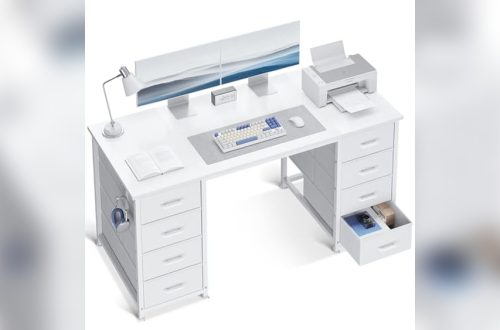
Built-in drawers save space by storing items inside the desk. You can keep pens, papers, and gadgets organized and hidden. Small drawers are perfect for tiny items, while larger ones hold files or notebooks. Drawers help maintain a clean desk surface for work.
Shelving Units
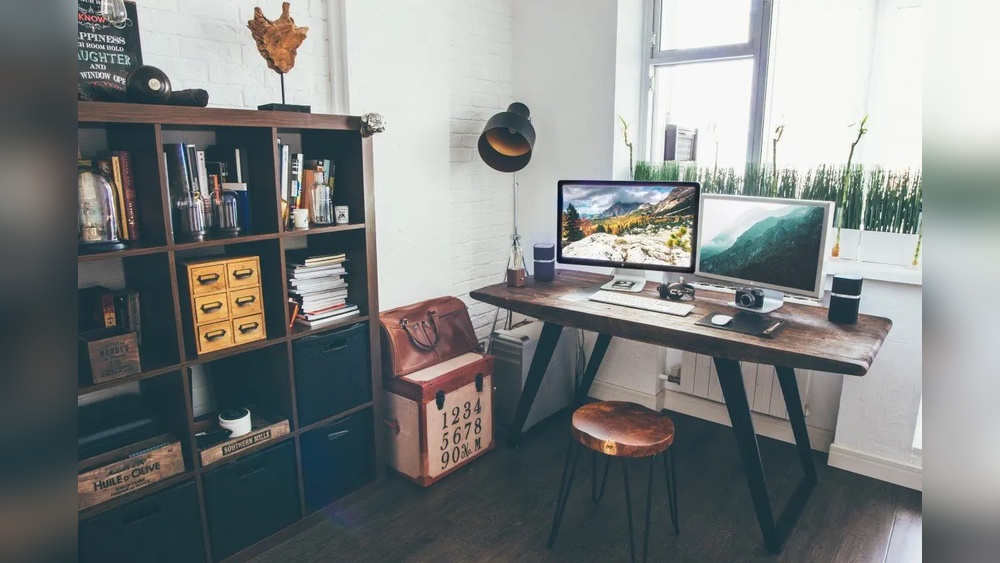
Shelving units add vertical storage without taking floor space. They are great for books, decor, or office tools. Open shelves keep things visible and easy to grab. Some desks have shelves attached, which maximize storage in a small footprint.
Under-desk Storage
Under-desk storage uses the empty space beneath your desk. Rolling carts or small cabinets fit easily here. This storage keeps larger items or extra supplies out of sight. It also frees up your desktop for a neat and open work area.
Material And Finish Choices
Choosing the right material and finish for your home office desk affects both style and function. The material impacts weight, durability, and how well the desk fits in your space. The finish affects the color and texture, which can change how large or small the room feels. Understanding these factors helps you pick a desk that looks good and lasts long in a small area.
Lightweight Materials
Lightweight materials make moving and adjusting your desk easier. Options like plywood, MDF, or metal frames keep the desk light without losing strength. These materials work well in small spaces because you can quickly rearrange the room. Avoid heavy woods that can make a tiny space feel cramped and hard to change.
Color Impact On Space
Color changes how big or small a room feels. Light colors like white, beige, or pale gray open up the space. Dark colors can make the room look smaller and heavier. Choose a finish that reflects light to keep the room bright. Matte finishes reduce glare, while glossy finishes add shine and depth.
Durability Factors
Durability matters for long-term use. Materials like solid wood and metal last longer but may weigh more. Laminates and veneers resist scratches and stains, keeping the desk looking fresh. Check the desk’s construction quality to avoid quick wear. A durable desk saves money by reducing replacement needs.
Ergonomics And Comfort
Ergonomics and comfort play a key role in choosing a home office desk for small spaces. A well-designed desk supports good posture and reduces strain. This helps you stay focused and productive during work hours. Even in a limited area, comfort should never be compromised. The right desk adapts to your body and work habits.
Proper Desk Height
The desk height must fit your body size. An ideal desk height keeps your arms at a 90-degree angle. Your feet should rest flat on the floor. A desk too high or low causes discomfort and poor posture. Measure your elbow height while seated before buying a desk. This simple step prevents back and neck pain.
Adjustable Features
Adjustable desks offer flexibility in small spaces. Look for desks with height adjustment options. This feature allows you to switch between sitting and standing. Some desks have tiltable surfaces for reading or writing. Adjustable features help reduce fatigue and improve comfort. They make the most of limited space by adapting to your needs.
Chair Compatibility
Choose a desk that fits well with your chair. Ensure there is enough legroom under the desk. The desk should allow your chair to move freely without hitting walls. Check if the desk height matches your chair’s height range. Proper chair and desk pairing supports good posture. This reduces strain on your back and shoulders.
Maximizing Vertical Space
Maximizing vertical space is key for small home offices. It helps keep your desk clear and organized. Using walls and tall storage options frees up floor area. This approach makes your workspace feel larger and less cluttered. Here are some smart ideas to use vertical space effectively.
Floating Shelves
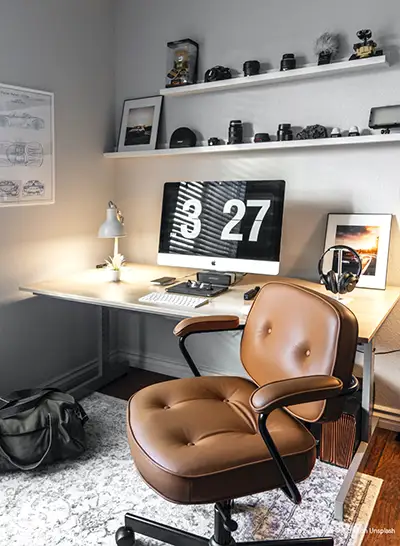
Floating shelves attach directly to the wall. They do not take up floor space. Use them to store books, office supplies, or decor. Place them above your desk for easy reach. Floating shelves keep your desk surface open and tidy. Choose shelves that match your room’s style and color.
Pegboards And Hooks
Pegboards are versatile and customizable. Mount one on the wall near your desk. Hang tools, stationery, or small plants on hooks. Pegboards help you organize items you use often. They make your workspace more efficient and visually neat. You can change the layout anytime to suit your needs.
Vertical Storage Units
Vertical storage units stand tall and narrow. They fit into tight spaces beside or behind your desk. Use them to store files, papers, and office essentials. Many have drawers or shelves for easy organization. Vertical units make the most of unused wall height. They keep clutter off your desk and floor.
Style Tips For Small Desks
Choosing the right style for a small desk can make your home office feel open and inviting. The key is to focus on designs that do not overwhelm the space. Simple and thoughtful choices keep the area tidy and stylish. Consider the balance between function and appearance to create a workspace you enjoy.
Minimalist Design
Minimalist desks have clean lines and simple shapes. They avoid heavy details and bulky parts. This style reduces visual clutter in a small room. A minimalist desk often uses thin legs and smooth surfaces. It helps the space feel larger and more peaceful. Choose desks that offer storage hidden from view to keep essentials close without mess.
Color Coordination
Match your desk color with the room’s palette for harmony. Light colors like white, soft gray, or pastel shades brighten the space. Dark colors can work if the room has enough natural light. Using the same color family for the desk and walls creates a seamless look. This trick makes small rooms seem bigger and less crowded.
Decorative Accents
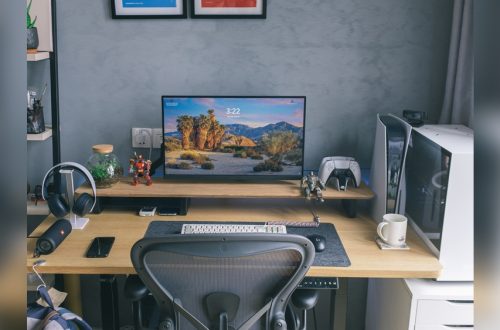
Use small accents to add personality without crowding the desk. A simple lamp, a small plant, or a few framed photos can enhance style. Choose accents that reflect your taste but do not take up too much space. Keep the desk surface mostly clear to maintain an open feel. These touches make your workspace cozy and inviting.
Multi-functional Desk Ideas
Multi-functional desks offer smart solutions for small home offices. They save space and add versatility. These desks help you work efficiently without clutter. Choosing one can improve your room’s functionality and style.
Desks With Fold-out Tables
Fold-out tables provide extra workspace when needed. They stay compact when closed, saving room. Perfect for small spaces, they expand for projects or meetings. This design keeps your area neat and flexible.
Integrated Charging Stations
Desks with built-in charging stations keep devices powered and organized. They reduce cable clutter and free up desk space. Ideal for tech users, these desks support laptops, phones, and tablets. Charging becomes simple and convenient.
Work And Dining Combos
Combining work and dining surfaces maximizes small spaces. These desks double as dining tables during breaks. They offer a seamless transition between work and meals. This combo is practical for studio apartments and multi-use rooms.

Credit: www.amazon.com
Budget-friendly Options
Choosing a desk for a small home office can feel expensive. Budget-friendly options help you save money and still get the desk you need. Affordable desks come in many forms. From making your own to finding good deals, there are smart ways to keep costs low.
Diy Desk Ideas
Building your own desk lets you control the size and style. Simple designs use a flat surface and sturdy legs. You can use old doors, wooden planks, or even pallets. This approach saves money and fits your space perfectly. A DIY desk also adds a personal touch to your office.
Affordable Materials
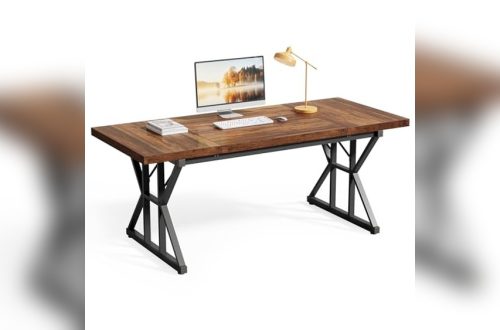
Materials like plywood, MDF, or reclaimed wood cost less but look good. These materials are easy to work with and light on the wallet. Pair them with basic metal or wooden legs for a clean look. Affordable materials let you create a functional desk without spending much.
Second-hand Finds
Used furniture shops and online marketplaces hold hidden gems. Second-hand desks often look like new and cost a fraction of retail prices. Look for desks with strong frames and enough surface area. Refurbishing an old desk with paint or new hardware can make it look fresh and stylish.
Frequently Asked Questions
What Desk Is Best For A Small Space?
The best desk for small spaces is wall-mounted or corner style, maximizing vertical and unused areas. Choose compact, ergonomic designs with storage to save space efficiently.
What Are The 3 P’s For A Clean Desk?
The 3 P’s for a clean desk are Purpose, Placement, and Process. They ensure organization, proper item location, and regular tidying.
How To Choose A Home Office Desk?
Choose a desk that fits your room size and shape. Prioritize ergonomic design, adequate storage, and space efficiency. Consider wall-mounted or corner desks for small areas. Select adjustable height desks for comfort. Ensure it supports your work tools and complements your home office style.
What Is The Ideal Size For A Home Office Desk?
The ideal home office desk size is at least 48 inches wide and 24 inches deep. It should fit your space and work needs comfortably.
Conclusion
Choosing the right home office desk for a small space means balancing function and size. Focus on desks that fit well without crowding the room. Use vertical space with wall-mounted or corner desks to keep things tidy. Consider desks with built-in storage to reduce clutter.
Think about your daily needs and how much surface area you require. A smart choice creates a comfortable and efficient workspace. This way, even a small area can become a productive office. Keep it simple and practical for the best results.