Where you place your desk in your home office can make a bigger difference than you might think. The direction your desk faces affects your focus, energy, and even your mood throughout the workday.
Imagine feeling more in control, less distracted, and energized every time you sit down to work. Sounds good, right? You’ll discover simple yet powerful tips on the best way to position your desk—whether you want to boost creativity, improve productivity, or invite stability into your work life.
Ready to find the perfect spot for your desk and transform your home office experience? Keep reading!

Credit: oakywood.shop
Desk Orientation And Productivity
Desk orientation plays a big role in how productive you feel in your home office. The way your desk faces can affect focus, comfort, and energy. Choosing the right direction helps you stay alert and organized. It also reduces distractions and stress. Thoughtful placement can make your workspace more inviting and efficient. Below are key ideas about desk orientation and how it can improve productivity.
Command Position Benefits
The command position means your desk faces the door, but is not directly in line with it. You can see who enters without turning around. This setup gives you a sense of control over your space. It helps you feel safe and alert. People often find they work better and stay more focused in this spot. Avoid sitting with your back to the door. That can cause discomfort and distraction.
Facing The Door Without Direct Line
Sitting directly in front of the door may cause unease. It can create a feeling of vulnerability. Instead, position the desk so you can see the door from an angle. This keeps you aware of your environment without distraction. The side view of the door lets you notice visitors or changes. It also reduces interruptions and sudden surprises.
Using Mirrors For Door Visibility
Sometimes room shapes do not allow a perfect desk position. In that case, use a mirror to see the door’s reflection. Place a small mirror on the desk or wall. This trick keeps you aware of the door even if you cannot face it. It adds a sense of security and control. Mirrors also help open up the space and reflect light, improving the room’s energy.
Feng Shui Directions For Desk Placement
Choosing the right desk direction in a home office can shape your work energy. Feng Shui offers guidance on aligning your desk to improve focus and success. Each direction brings unique benefits that affect your work life and mindset.
Southwest For Stability
Facing your desk southwest helps build a strong foundation. This direction supports steady progress and wise decisions. It creates a calm space where you feel grounded. Stability in work leads to long-term success and confidence.
Northeast For Creativity
Placing your desk to face northeast boosts creative energy. This direction inspires fresh ideas and innovation. It opens your mind to new possibilities and solutions. Ideal for artists, writers, and anyone needing creative flow.
East For Financial Growth
Facing east attracts financial opportunities and growth. This direction symbolizes new beginnings and prosperity. It encourages positive energy that supports wealth building. Good for entrepreneurs and those focused on money goals.
North For Good Fortune
A desk facing north invites good luck and success. This direction enhances career advancement and recognition. It fosters a sense of trust and respect at work. Perfect for those seeking promotion or reputation growth.
Vastu Principles For Home Office
Vastu principles offer clear guidance on setting up a home office desk. These ancient Indian guidelines focus on energy flow and balance. Proper desk placement can boost concentration, creativity, and success. Understanding Vastu directions helps create a productive workspace.
Following these rules aligns your work environment with natural forces. This creates harmony and reduces stress. Let’s explore how desk placement by direction affects your home office.
Desk Placement By Room Direction
Place your desk in the south or southwest area of the room. These zones bring stability and strength. Avoid sitting with your back to the door. Position yourself so you can see the entrance. This setup supports confidence and focus.
Keep your workspace clutter-free and well-lit. Natural light from the north or east enhances positive energy. These directions are best for overall productivity and calmness.
Facing North Or East For Focus
Facing north while working attracts good fortune and growth. It helps clear your mind and boosts attention. East-facing desks promote creativity and new ideas. This direction energizes the brain and opens opportunities.
Both north and east directions improve concentration. They make it easier to solve problems and plan ahead. Choose the one that fits your room layout and sunlight availability.
South And Southwest Zones
The south and southwest corners are ideal for stability and success. Sitting here supports decision-making and long-term goals. It encourages steady progress in your work and business.
These zones protect against distractions and negative energy. Your desk should face north or east while placed in these areas. This combination balances energy flow and maximizes efficiency.
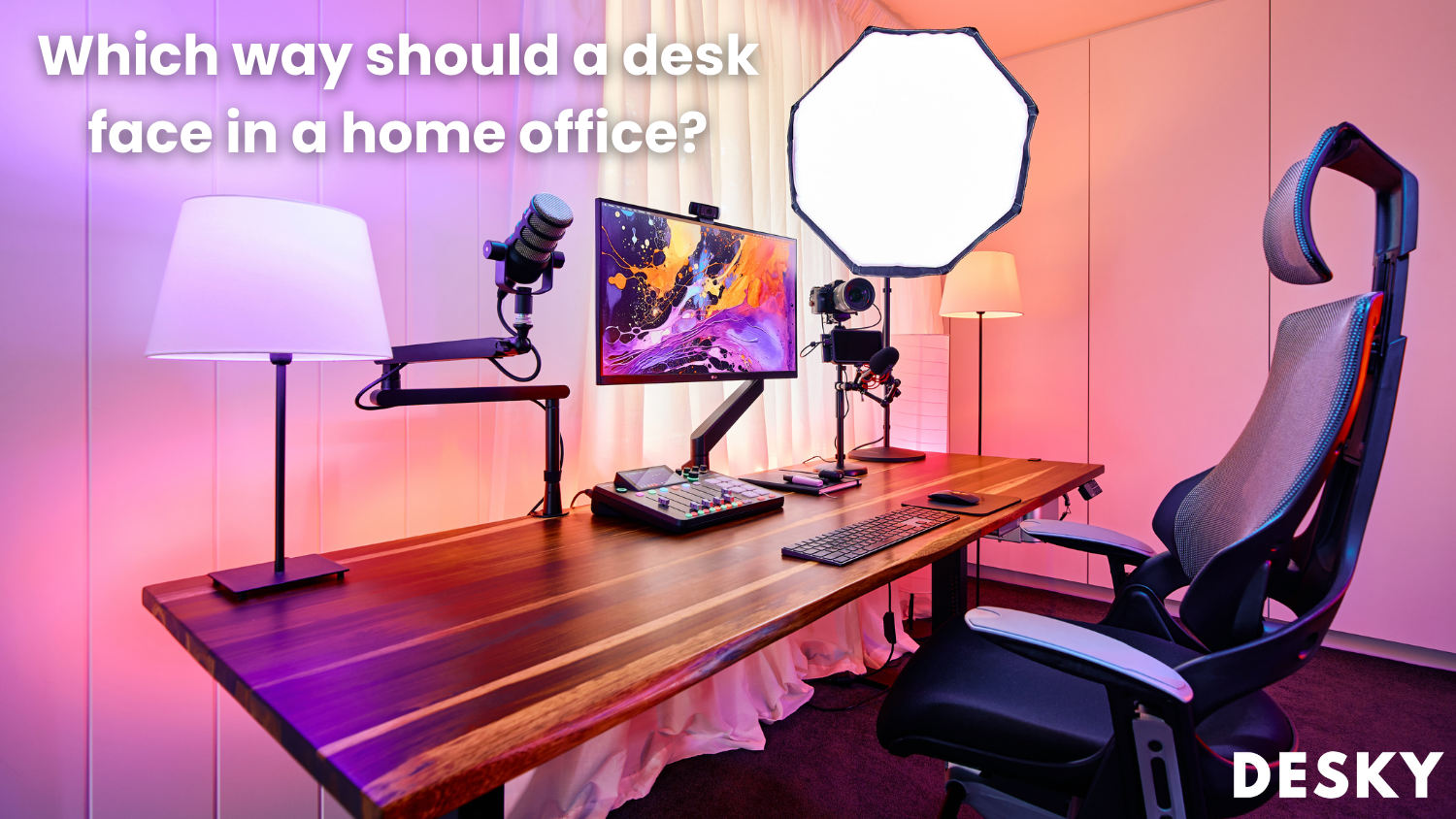
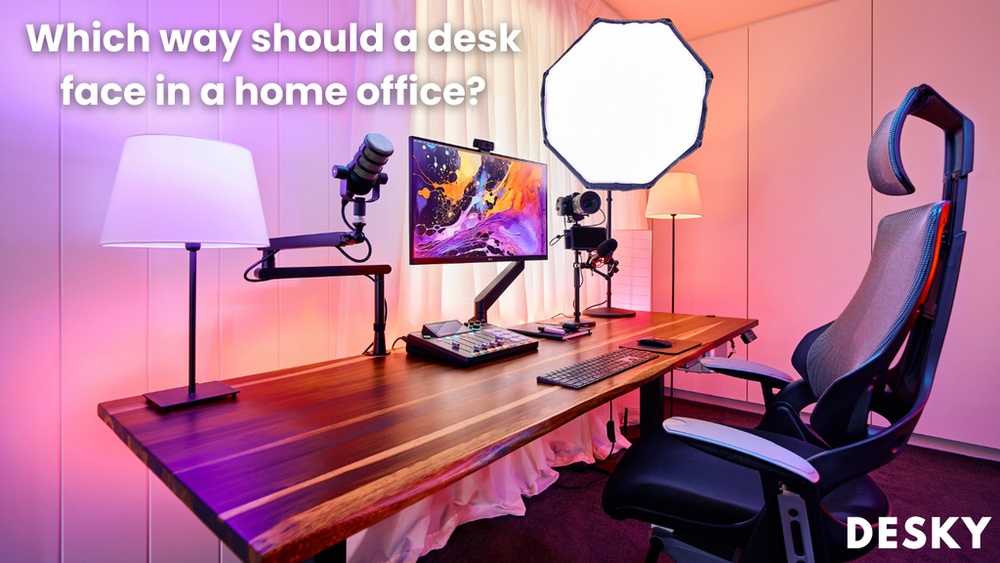
Credit: desky.com
Maximizing Natural Light
Natural light brightens a home office and lifts mood. It reduces eye strain and boosts focus. Positioning your desk to maximize daylight creates a refreshing work environment. Proper use of natural light also lowers energy costs and enhances productivity.
Positioning Near Windows
Place your desk close to a window to catch soft daylight. Side lighting works best to avoid harsh shadows on your work. Facing the window allows you to enjoy outdoor views and natural warmth. Keep the window clean to let in the most light. Use light curtains to soften glare without blocking sunlight.
Avoiding Screen Glare
Screen glare causes eye discomfort and reduces screen clarity. Position the desk so windows are to your side, not behind or in front. This setup prevents direct light from reflecting on your monitor. Adjust blinds or curtains to control brightness during peak sunlight hours. Consider matte screen protectors to reduce reflections for clearer viewing.
Reducing Distractions
Reducing distractions is key for a productive home office. How your desk faces can help lower interruptions and improve focus. A well-placed desk keeps your mind clear and work steady. Small changes in direction create a big difference in your workday.
Choosing the right view and avoiding noisy spots helps keep your attention. Position your desk thoughtfully to block out distractions and boost your efficiency.
Facing Pleasant Views
Facing a window with a calm, natural view refreshes your mind. Nature scenes reduce stress and increase concentration. A pleasant view breaks monotony without pulling your focus away. It gives your eyes a healthy rest from screen time. Avoid busy streets or cluttered areas that might distract you.
Avoiding Busy Areas And Electronics
Keep your desk away from high-traffic zones like hallways or kitchens. Movement nearby can cause constant interruptions. Electronics like TVs or loud gadgets draw your attention off work. Place your desk to face away from these distractions. This setup helps maintain a quiet and peaceful work environment.
Comfort And Ergonomics
Comfort and ergonomics play a key role in setting up a home office desk. Choosing the right desk direction can reduce strain and increase focus. A well-positioned desk supports good posture and easy movement. This helps prevent fatigue and discomfort during long work hours.
Avoiding Sloped Ceilings
Sloped ceilings can limit headroom and cause discomfort. Place the desk where the ceiling is highest to avoid feeling cramped. Sitting under a slope may lead to poor posture and neck pain. A flat ceiling area gives more space to move freely. This simple step improves comfort and reduces distractions.
Space And Movement Considerations
Allow enough space around your desk for smooth movement. Avoid placing the desk too close to walls or furniture. This gives room to stretch and adjust your chair easily. A clutter-free area helps keep your workspace organized and calm. Clear pathways reduce the risk of bumps or accidents. Good space planning supports both comfort and productivity.
Room Layout And Desk Placement
Choosing the right desk placement in your home office affects comfort and productivity. The room layout guides where your desk should face. It also determines how much space you have for movement and storage. Proper placement can reduce distractions and improve focus. Consider natural light sources and electrical outlets when arranging your desk.
Adapting To Small Spaces
Small rooms need smart planning. Place your desk near a window if possible. This brings in natural light and fresh air. Use a compact desk that fits well without crowding. Keep essential items within arm’s reach to avoid clutter. Vertical storage like shelves saves floor space and keeps your area tidy.
Using Corners Effectively
Corners are often underused spots in a room. Positioning your desk in a corner maximizes open floor space. It can create a cozy and private work zone. Use L-shaped desks for more surface area without taking extra room. Add wall-mounted organizers to keep supplies handy and off your desk.
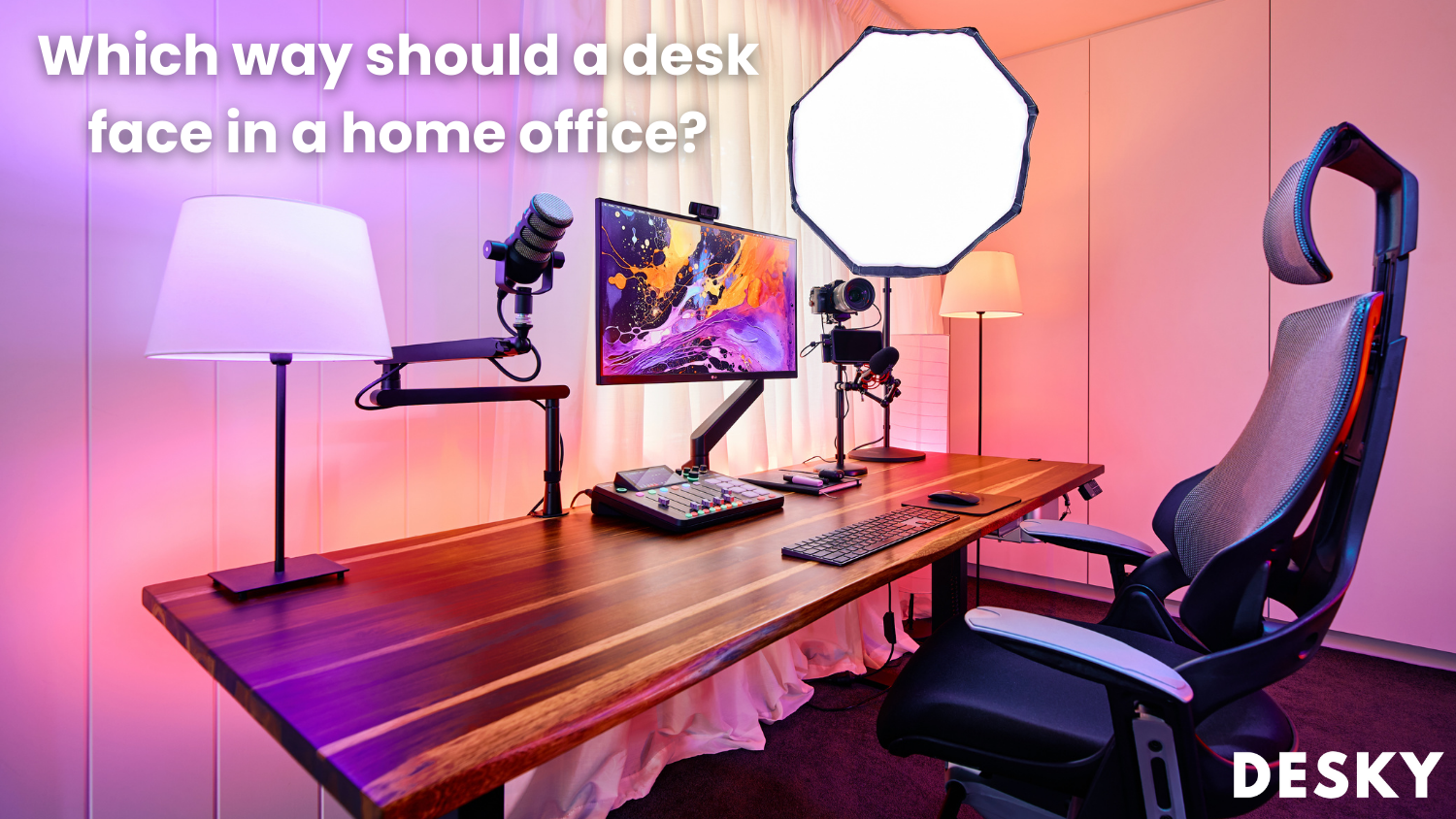
Credit: desky.com.au
Combining Practical And Energetic Tips
Combining practical and energetic tips creates a balanced home office setup. It helps you work efficiently and feel positive. Your desk position affects focus, mood, and energy flow. This section blends real-world advice with simple energy principles. It guides you to place your desk in the best spot for you.
Balancing Feng Shui And Function
Feng Shui suggests placing your desk where you see the door but avoid sitting directly in line with it. This position, called the command position, gives control and reduces stress. Your back should never face the door. Use a mirror if needed to see behind you. Functionally, choose a spot with good light and few distractions. Natural light boosts energy and focus. Avoid noisy areas or places with heavy foot traffic. Find a mix between Feng Shui and practical needs for the best results.
Customizing For Personal Goals
Your desk direction should support your work goals. Face east to encourage creativity and fresh ideas. Face north to attract good fortune and steady progress. For stability and clear decisions, face southwest. Also, think about your daily tasks and habits. If you make many calls, sit where background noise is minimal. If you need calm, pick a quiet corner. Adjust your desk to fit your unique work style and ambitions. Personal comfort boosts productivity and happiness.
Frequently Asked Questions
What Direction Should A Home Office Desk Face?
Face your home office desk toward the door without sitting directly in line with it. Southwest direction promotes stability. Position near natural light and avoid distractions for better productivity.
Which Direction Is Best For A Work Table At Home?
Place your work table facing the door but not directly in line with it for control and focus. Facing northeast or east boosts creativity, while south or southwest promotes stability. Ensure good natural light and avoid distractions for maximum productivity.
Where Should A Desk Be Placed In A Home Office Window?
Place your desk perpendicular to the window to enjoy natural light without screen glare. Face the door but avoid sitting directly in line with it for control and focus. Choose a spot with minimal distractions and comfortable space to boost productivity.
Which Direction Is Not Good For Office?
Avoid placing your office desk facing directly towards the door or with your back to it. This creates vulnerability and distraction. Also, facing north-west or north-east may reduce focus and stability. Choose directions that promote control, like southwest, south, or east, for better productivity and success.
Conclusion
Choosing the right desk direction helps improve focus and comfort. Facing the door without sitting directly in line boosts control. Natural light matters; avoid glare on your screen for better productivity. A clear view or a calm wall reduces distractions.
Small changes in desk placement can create a better work mood. Think about your room layout and what feels right for you. Your workspace should support your goals and help you work well every day.