Are you setting up your home office and wondering if your desk should face the window? This simple choice can impact your focus, mood, and productivity more than you might think.
Imagine working bathed in natural light, feeling inspired by the view outside—but also risking screen glare and distractions. Or picture yourself facing away from the window, shielded from interruptions but possibly missing out on that refreshing daylight boost. Which setup truly works best for you?
Keep reading to discover the pros and cons of each option, plus expert tips to create a workspace that keeps you comfortable, motivated, and in control every day.
Desk Facing Window
Positioning your home office desk facing a window offers unique advantages and challenges. This setup lets you connect with the outdoors, bringing fresh energy into your workspace. At the same time, it requires careful consideration of light and focus. Below, we explore key points to consider with a desk facing a window.
Benefits Of Natural Light
Natural light boosts your mood and energy levels. It helps reduce eye strain compared to artificial lighting. Daylight also supports a healthy sleep cycle by regulating your body clock. A bright workspace feels more welcoming and spacious. This can increase your productivity and overall satisfaction during work hours.
Inspiration And Mental Breaks
A window view offers a break for your eyes and mind. Looking outside can reduce stress and refresh your focus. Nature scenes or cityscapes often spark creativity and new ideas. Short mental breaks improve concentration and prevent burnout. Having a view nearby makes these breaks easy and natural.
Distractions And Glare Issues
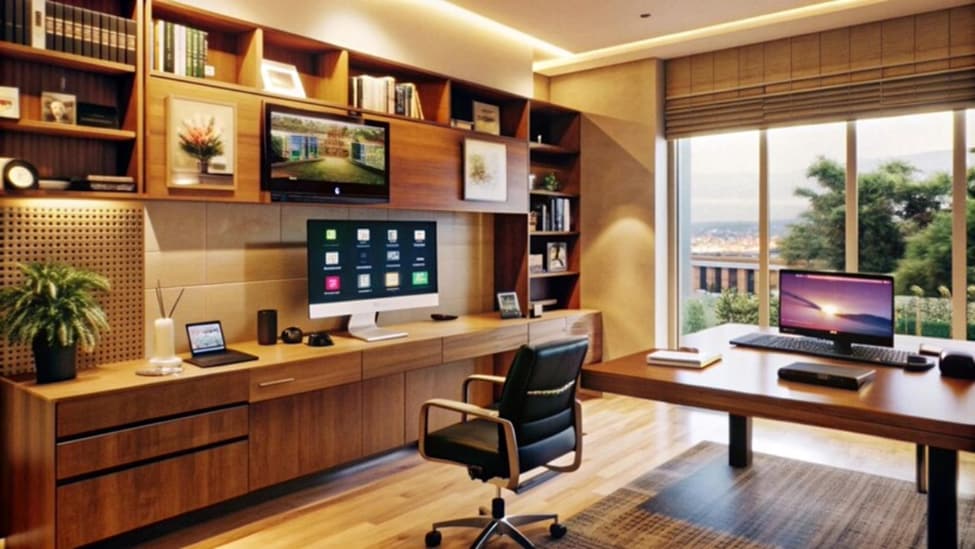
Outdoor views may sometimes distract your attention from work. Movement outside or changing weather can break your focus. Sunlight can cause glare on your computer screen, making it hard to see. Glare may increase eye discomfort and reduce efficiency. Using blinds or adjusting screen angle helps manage these problems.
Credit: flexispot.co.uk
Desk Facing Away From Window
Choosing to place your home office desk facing away from the window creates a focused and controlled workspace. This setup keeps direct sunlight off your screen and reduces distractions from outside activity. Many find this orientation helps maintain concentration and offers a feeling of security.
Reducing Screen Glare
Facing away from the window keeps sunlight from hitting your monitor. This cuts down on screen glare, making it easier to see your work clearly. It prevents eye strain and helps maintain productivity during bright daylight hours.
Sense Of Security And Control
Having a solid wall behind you gives a feeling of support and safety. You can see the room’s entrance, which creates a sense of control over your environment. This setup often reduces anxiety and improves focus by limiting unexpected distractions.
Potential Downsides
Facing away from the window can make the room feel darker and less open. You may need extra artificial lighting to brighten the space. Some might find this position less inspiring without a view of the outdoors, which can affect creativity.
Desk Positioned Perpendicular To Window
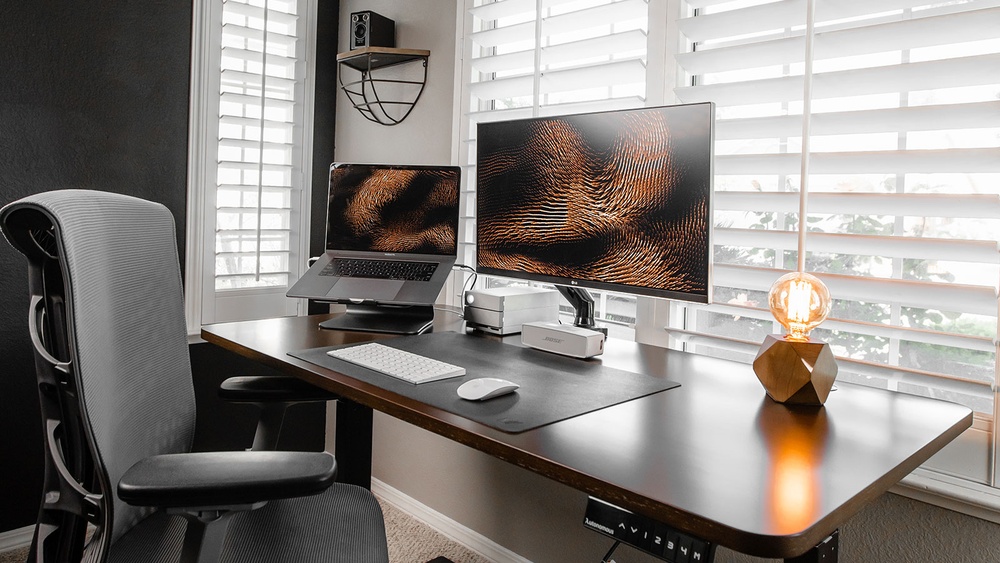
Positioning your home office desk perpendicular to a window offers a smart balance of natural light and comfort. This setup lets you enjoy daylight without the harsh glare that can strain your eyes or ruin your screen visibility. It also helps create a workspace that feels open and inviting while keeping distractions to a minimum.
Balancing Light And Glare
Placing the desk sideways to the window allows natural light to fill the room evenly. It reduces direct sunlight hitting your monitor, which prevents glare. This setup keeps your workspace bright without causing eye discomfort. You get enough light to stay alert and focused, improving work quality and mood.
Maintaining A View Without Distraction
Facing the window sideways means you can glance outside without losing focus. You enjoy the calming view of nature or the city without being drawn away from your tasks. This arrangement offers a gentle mental break, which can refresh your mind and increase productivity. It creates a perfect balance between work and relaxation in your home office.
Feng Shui Desk Placement
Feng Shui desk placement is about arranging your workspace to promote energy flow and focus. The right position can increase productivity and reduce stress. It balances natural light, view, and a sense of security. This helps you stay calm and confident during work.
Seeing The Door For Control
In Feng Shui, facing the door means you can see who enters your space. This gives a feeling of control and safety. You avoid surprises and distractions. It also helps your mind stay alert and ready for action. Facing the door is often called the “command position.”
Solid Wall Behind For Stability
A solid wall behind your desk supports you, both physically and mentally. It creates a stable and secure feeling. This background acts like a shield against stress and negative energy. Without a wall, you might feel exposed and uneasy. Stability helps you focus and work calmly all day.
Lighting Considerations
Lighting plays a crucial role in creating a comfortable home office. It affects productivity, mood, and eye health. Choosing where your desk faces should consider how light enters your workspace. Proper lighting reduces strain and helps you stay focused.
Natural Vs Artificial Light
Natural light comes from the sun and changes throughout the day. It feels fresh and can boost energy. Artificial light comes from lamps and bulbs. It stays constant but may cause glare or shadows if not placed well. A mix of both often works best. Natural light improves mood. Artificial light helps when the sun goes down or on cloudy days.
Managing Sunlight Throughout Day
Sunlight changes angle and intensity during the day. Morning light is soft and warm, while afternoon light can be bright and harsh. Direct sunlight can cause glare on screens. Use curtains or blinds to control brightness. Position your desk so sunlight lights your space without shining directly on screens. This helps avoid eye strain and keeps you comfortable. Adjust window coverings as needed to keep lighting balanced.

Credit: desky.com
Productivity And Focus Factors
Productivity and focus depend greatly on your home office setup. The desk position affects how well you work and stay attentive. Facing a window can bring both benefits and challenges to your daily tasks. Understanding these factors helps create a better workspace for your needs.
Minimizing Distractions
Facing a window may expose you to outside movement and noise. This can break your concentration frequently. Distractions reduce the quality and speed of your work. Positioning your desk away from direct window views helps limit interruptions. It creates a calmer and more controlled environment. Some find turning the desk sideways to the window balances light and focus.
Enhancing Mood And Energy
Natural light from a window improves mood and alertness. Sunlight raises energy levels and reduces feelings of fatigue. A pleasant view can offer mental breaks without leaving your desk. These breaks refresh your mind and prevent burnout. Bright spaces feel more open and less confining. This positive atmosphere supports longer and more productive work sessions.
Ergonomics And Comfort
Creating a comfortable and ergonomic home office is key for long work hours. Proper desk placement affects posture, focus, and overall well-being. Positioning your desk near a window has both benefits and challenges. Understanding ergonomics helps you make smart choices for comfort and health.
Good ergonomics reduce strain on your body and eyes. It improves your productivity and keeps you comfortable throughout the day. Let’s explore how desk orientation and screen position impact your work setup. Also, learn how to avoid glare for better eye health.
Desk Orientation And Screen Position
Place your desk so your screen faces away from direct sunlight. This reduces glare and helps you see clearly. Position the screen at eye level to avoid neck strain. Keep the screen about an arm’s length away from your eyes. Align your chair and desk height to maintain a straight back and relaxed shoulders.
Facing the window sideways often works best. This lets in natural light without shining directly on your screen. You can glance outside for a quick mental break without losing focus. Avoid placing your desk with the window directly behind you. This setup creates shadows on your screen, making it hard to see.
Avoiding Glare For Eye Health
Glare causes eye strain and headaches. It happens when sunlight reflects off your screen or bright surfaces. Use blinds or curtains to control light entering the room. Position your desk to keep bright light from hitting your eyes directly. Anti-glare screen protectors can also help reduce reflections.
Take breaks every 20 minutes to rest your eyes. Follow the 20-20-20 rule: look at something 20 feet away for 20 seconds. This practice reduces eye fatigue and improves comfort. Proper lighting and screen placement protect your vision and support long hours of work.

Credit: plankandpillow.com
Room Layout And Space Use
Room layout plays a key role in deciding if your home office desk should face the window. The way you arrange furniture affects how open and functional your space feels. Using your room wisely can create a better work environment. This section looks at how to maximize space and adapt to different room shapes while choosing the best desk position.
Maximizing Open Feel
Placing your desk near a window can make the room feel larger and brighter. Natural light spreads across the space, reducing dark corners. This open feel can boost your mood and help you work better. Avoid blocking walkways or crowding the room with big furniture. Keep the area around your desk clear to allow easy movement. Using light colors on walls and furniture also helps the space feel more open.
Adapting To Room Shape
Every room has its own shape and size. Some are square, others are long or irregular. Think about how your desk fits into the room’s layout. In narrow rooms, placing the desk against a wall or near a window can save space. In square rooms, a central desk position might work well. Use corners to your advantage by adding shelves or storage. Adjust your desk angle to avoid glare or distractions from the window. This flexibility helps you make the most of your room’s unique shape.
Frequently Asked Questions
Should A Desk Face The Window Or Away?
Place a desk perpendicular to a window for natural light without glare. Facing away reduces distractions and glare but may feel less inspiring. Choose what suits your focus and comfort best.
Where Is The Best Place To Put A Desk In A Home Office?
Place your desk perpendicular to a window for natural light without glare. Ensure a solid wall behind for focus and security. This boosts productivity and reduces distractions.
Where Should The Window Be In A Home Office?
Place the window to the side of your home office desk for natural light without glare. This reduces distractions and boosts productivity. Ensure the desk faces the room’s door with a wall behind for a sense of security and control.
Is It Bad Feng Shui To Put A Desk In Front Of A Window?
Placing a desk in front of a window offers natural light and inspiration but can cause screen glare and distractions. Feng Shui prefers a desk facing the door with a solid wall behind for security and focus. Positioning the desk perpendicular to the window balances light and minimizes glare.
Conclusion
Choosing whether your desk should face a window depends on what helps you work best. Natural light can lift your mood and reduce stress. Yet, glare and distractions from outside might hurt focus. Facing away from the window can reduce these issues but may feel less inspiring.
Placing the desk at a right angle to the window often offers a good balance. Think about your workspace and what supports your comfort and productivity most. Small changes in desk placement can make a big difference in your workday.