Gray is one of the most versatile colors you can choose for your dining room. It creates a calm, sophisticated backdrop that allows your furniture and decorations to truly shine.
But decorating a gray dining room can feel tricky—too dull, and the space might seem cold; too bold, and it might lose its elegance. If you want to transform your gray dining room into a stylish and inviting space, you’re in the right place.
You’ll discover simple, effective tips to add warmth, color, and personality to your gray dining room, making it the perfect spot for every meal and gathering. Keep reading to unlock the secrets of decorating with gray like a pro.
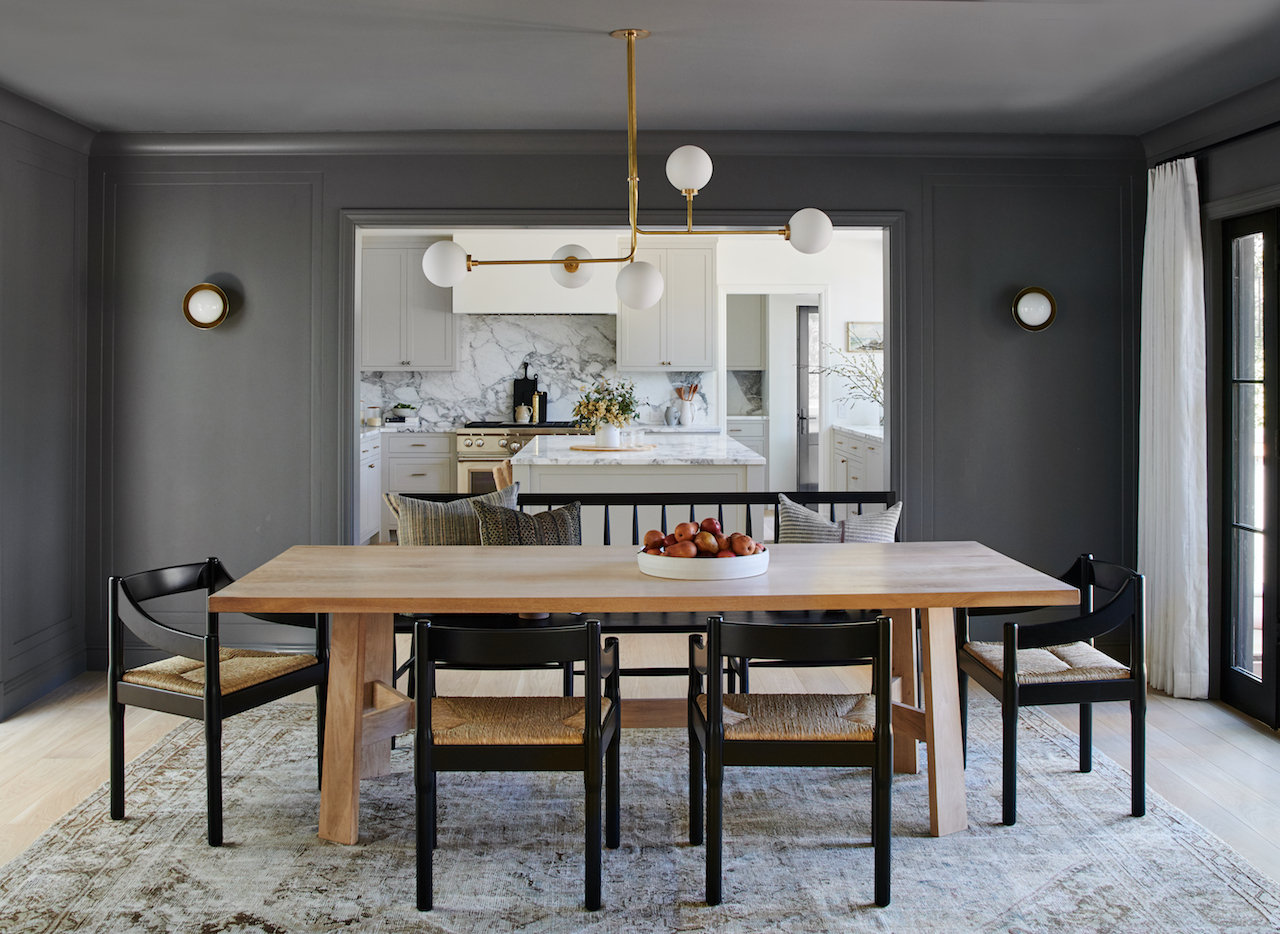
Credit: www.livingetc.com
Choosing The Right Gray Shade
Choosing the right gray shade for your dining room sets the tone for the entire space. Gray comes in many variations, each creating a different mood and style. Picking the perfect tone helps highlight your furniture and décor. It also influences the room’s warmth and brightness. Understanding the nuances of gray shades makes decorating easier and more satisfying.
Cool Vs Warm Grays
Cool grays have blue, green, or purple undertones. They create a calm and modern feel. Cool grays work well in rooms with plenty of natural light. They pair nicely with blues, whites, and metallic accents.
Warm grays contain hints of red, yellow, or brown. These shades add coziness and softness to a dining area. Warm grays complement wood furniture and earth tones. They make the room feel inviting and comfortable.
Avoiding Unwanted Undertones
Some gray paints carry unwanted hints of pink or purple. These undertones may clash with your décor or lighting. Test paint samples in different light conditions before deciding. Look at the color at morning, noon, and evening.
Choose grays with subtle undertones that match your style. Neutral grays tend to be more flexible with décor choices. Avoid shades that appear too cool or warm under artificial light. This step saves you from costly repainting later.

Credit: www.decorpad.com
Color Pairings For Gray
Gray is a flexible neutral color for dining rooms. It works well with many different colors. Choosing the right colors to pair with gray can change the room’s feel. Colors can make the room feel lively or calm. They can also highlight the gray tones in your space. Below are ideas for color pairings that help you decorate a gray dining room beautifully.
Bold And Contrasting Colors
Bold colors create energy and interest next to gray. Black and white offer a clean, classic contrast. Bright yellow adds a vibrant pop that lifts the space. Jewel tones like teal and emerald green bring richness and depth. These colors stand out sharply against gray walls or furniture. They make your dining room feel dynamic and modern. Use bold colors in chairs, artwork, or accessories.
Soft And Soothing Hues
Soft colors create a peaceful and relaxing dining space. Light blues and pale greens blend smoothly with gray. Warm beiges and blush pinks add gentle warmth. These hues soften gray’s coolness and create calm vibes. They work well in table linens, curtains, or wall art. Soft colors help the room feel cozy and inviting. They are perfect for quiet dinners or intimate gatherings.
Matching Colors To Mood
Choose colors based on the mood you want in the dining room. For a lively, social space, use warm tones like reds or oranges with gray. For a calm and restful room, pick cool tones like blues or soft greens. Neutral shades like taupe or cream keep the mood balanced and elegant. Consider your lifestyle and how you use the room. Color choices can support the atmosphere you want every day.
Furniture Selection
Selecting the right furniture is key to decorating a gray dining room. The furniture sets the tone and complements the gray walls or accents. Choose pieces that balance the coolness of gray with warmth and texture. This helps create a cozy and inviting space where people want to gather.
Focus on materials and styles that highlight the elegance of gray. Proper furniture selection makes the dining room both stylish and functional. It also enhances the overall atmosphere and feel of the room.
Materials That Complement Gray
Wood furniture with warm tones pairs beautifully with gray. Oak, walnut, and cherry add natural warmth. These woods soften gray’s coolness and make the room feel more inviting.
Metal frames in black or brass add a modern touch. Brass brings a hint of luxury without overwhelming the space. Black metal offers a sleek, contemporary look that contrasts well with gray.
Glass tabletops create an open and airy feel. They keep the room light and prevent gray from feeling too heavy. Glass is perfect for smaller dining areas with gray walls.
Styles To Enhance Elegance
Mid-century modern furniture works well in gray dining rooms. Its clean lines and simple shapes complement gray’s neutrality. This style creates a chic and timeless look.
Traditional furniture adds warmth and richness. Choose pieces with carved details or elegant finishes. These contrast nicely with gray walls and add depth to the room.
Minimalist styles emphasize simplicity and function. Furniture with straight lines and few decorations highlights gray’s calm and soothing nature. This style creates a peaceful dining space.
Lighting Ideas
Lighting plays a key role in enhancing a gray dining room. It changes the mood and highlights the room’s features. Proper lighting can make gray tones look warm, cozy, or bright and modern. Choosing the right lighting adds depth and style to your space.
Natural Light Optimization
Use large windows to bring in natural light. Gray walls reflect light softly, making the room feel open and airy. Avoid heavy curtains; choose sheer or light fabrics instead. Mirrors placed opposite windows increase brightness by reflecting sunlight. Keep window areas clear of bulky furniture to allow light flow.
Statement Light Fixtures
Pick a bold chandelier or pendant light to serve as a room’s centerpiece. Metal finishes like brass, gold, or black contrast beautifully with gray walls. Choose fixtures with interesting shapes or textures for added character. Layer lighting with wall sconces or table lamps for a cozy atmosphere. Dimmer switches help adjust light levels for different moods.
Textiles And Accessories
Textiles and accessories bring warmth and personality to a gray dining room. They soften the coolness of gray walls and furniture. These elements make the space inviting and cozy. Use fabrics and decor items to add layers and interest. They help balance the room’s neutral base and create a stylish, lived-in feel.
Mixing Textures
Combine different textures to add depth to your gray dining room. Pair smooth linens with rougher weaves like burlap or wool. Velvet or suede cushions introduce softness and luxury. A mix of shiny and matte fabrics keeps the look dynamic. Textured curtains, table runners, and chair covers enhance the tactile experience. This variety prevents the room from feeling flat or dull.
Accent Pillows And Rugs
Accent pillows provide a quick way to add color and comfort. Choose pillows with patterns or bold colors to contrast gray. Soft rugs anchor the dining area and add warmth underfoot. A patterned rug breaks up the solid gray floor or carpet. Look for rugs with subtle hints of color or texture to complement your palette. These accessories give the room character and charm without overwhelming it.
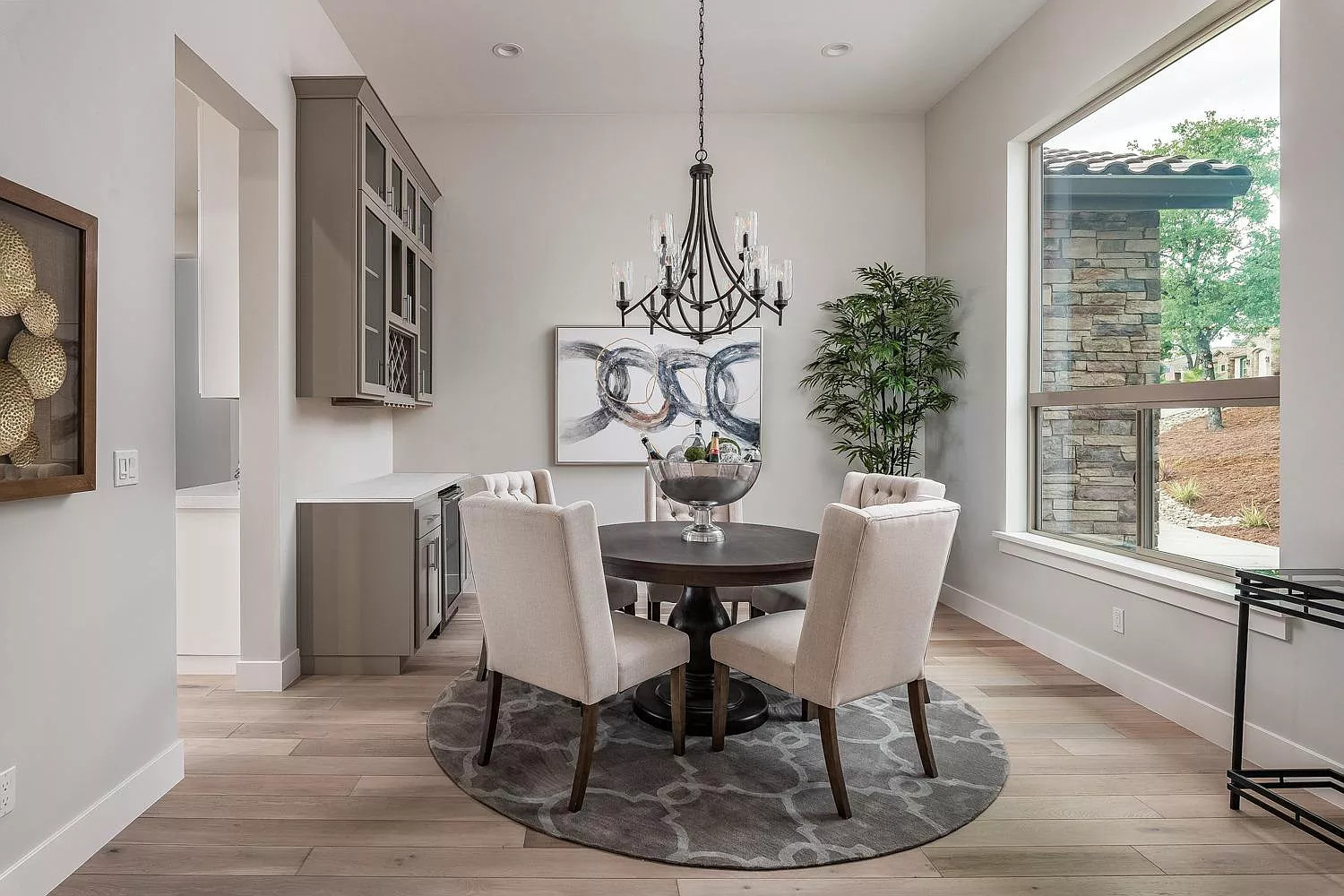
Credit: www.houzz.com
Wall Art And Decor
Wall art and decor bring life to a gray dining room. They break the monotony of gray walls and add personality. Choosing the right pieces can make your space warm and inviting. Art and mirrors reflect your style and brighten the room. These elements also create focal points that catch the eye.
Choosing Art Styles
Select art that matches your dining room’s mood. Abstract art adds energy and modern flair. Landscape paintings bring calm and nature indoors. Black and white photography offers timeless elegance and simplicity. Large art pieces work well on wide walls. Smaller frames arranged in a gallery style add charm and interest. Choose colors that contrast with gray to make art pop. Soft pastels or bright jewel tones look stunning against gray. Avoid too many dark colors to keep the room light and fresh.
Incorporating Mirrors
Mirrors open up a gray dining room by reflecting light. They make the space feel larger and airier. Choose mirror frames that complement your decor style. Sleek metal frames add a modern touch. Rustic wood frames bring warmth and texture. Position mirrors opposite windows or light sources for the best effect. Round mirrors soften the room’s edges. Large statement mirrors act like art and decor combined. Use mirrors to highlight your dining table or a favorite wall.
Flooring Options
Choosing the right flooring is essential for a gray dining room. Flooring sets the tone and affects the room’s overall feel. It can make the space warmer, cozier, or more modern. The right flooring balances the coolness of gray walls and furniture. It also highlights other design elements in the room. Let’s explore two popular flooring options that work well with gray dining rooms.
Wood Tones And Gray
Wood floors add natural warmth to a gray dining room. Light wood tones create a soft, airy atmosphere. Dark wood offers a rich, elegant contrast. Medium wood shades bring balance and comfort. Choose flooring with a matte or satin finish for a modern look. Wood grain adds texture and interest to simple gray walls. Wood tones also pair well with various furniture styles. From rustic to contemporary, wood floors fit many designs.
Rugs To Add Warmth
Rugs soften the look of hard floors and add color. They bring warmth to the cool gray palette. Choose rugs with warm colors like beige, rust, or soft gold. Patterns can add personality and depth to the room. Natural fiber rugs like jute or sisal add texture and organic charm. Rugs also help define the dining area in open spaces. They protect floors from scratches and spills. A well-chosen rug can tie the whole room together beautifully.
Creating Balance With Patterns
Adding patterns to a gray dining room brings life and character to the space. Patterns create visual interest and help balance the calmness of gray tones. Using patterns thoughtfully avoids overwhelming the room. The key is to mix and match patterns that complement each other and the overall style.
Geometric Vs Organic Patterns
Geometric patterns have sharp lines and clear shapes. Think squares, triangles, and diamonds. They add structure and modern feel to a gray dining room. Organic patterns mimic nature with flowing lines and curves. Examples include leaves, flowers, and waves. These soften the look and add warmth.
Combining geometric and organic patterns creates harmony. Geometric shapes add order, while organic designs bring softness. This mix prevents the room from feeling too rigid or too busy. Choose one pattern style for larger pieces and the other for smaller accents.
Using Patterns In Small Doses
Patterns work best when used in small doses around a gray dining room. Large areas with heavy patterns can feel overpowering. Use patterned pillows, curtains, or rugs to introduce texture and color.
Accent pieces like patterned dinnerware or table runners add subtle style. These touches break up solid gray surfaces and keep the space balanced. Start with one or two patterned items and add more only if it feels right.
Personalizing Your Space
Personalizing your gray dining room turns a simple space into a warm, inviting area. Gray serves as a calm, neutral base that highlights your unique style. Adding personal touches brings character and comfort to the room. It helps create a space that feels truly yours.
Incorporating Personal Items
Use items that tell your story. Family photos in simple frames add warmth to gray walls. Display your favorite books on a stylish shelf. Handcrafted bowls or vases create a unique look. Choose items with colors that pop against gray, like blues or yellows. Personal items make the dining room feel lived-in and cozy.
Seasonal Decor Ideas
Change your decor with the seasons for fresh looks. In spring, add pastel table runners and fresh flowers. Summer calls for bright, lively colors like coral or turquoise. Use warm tones like orange and red in fall. For winter, try silver accents and soft lighting. Seasonal decor keeps the room interesting and inviting all year.
Frequently Asked Questions
Is Grey A Good Color For A Dining Room?
Grey is an excellent dining room color, offering a versatile, sophisticated backdrop. It complements various decor styles and colors beautifully.
What Not To Do When Decorating With Gray?
Avoid gray paint with pink or purple undertones, as they can clash. Don’t ignore lighting; poor lighting dulls gray’s appeal. Avoid overusing gray without color accents to prevent a cold, monotonous look. Skip heavy, dark furnishings that overwhelm gray’s subtlety.
Don’t neglect texture; it adds warmth and depth.
Which Color Best Compliments Grey?
The best colors to complement grey include white, black, navy blue, blush pink, yellow, teal, sage green, and warm beige. Cool greys pair well with blues and teals, while warm greys match reds and beiges. Choose colors based on the grey’s shade and desired mood.
What Do You Put In The Middle Of Your Dining Room Table?
Place a centerpiece like a vase with fresh flowers, a decorative bowl, or candles to enhance your dining table’s appeal.
Conclusion
Gray dining rooms offer a calm and stylish backdrop for meals. Use colors like navy, blush, or yellow to add life. Mix textures and lighting to create warmth and interest. Keep furniture simple to balance the room’s softness. Small touches like plants or art bring personality and charm.
Decorating with gray gives you freedom to express your style. Enjoy creating a space where family and friends feel welcome.