Your dining room walls are more than just empty spaces—they set the mood for every meal and conversation. But how do you pick the perfect decoration that reflects your style and creates the right atmosphere?
Whether you want your dining area to feel cozy, lively, or elegant, choosing the right wall decor can transform the entire space. You’ll discover simple yet powerful tips to select wall decorations that bring your dining room to life and make every gathering unforgettable.
Ready to turn those blank walls into a stunning backdrop? Let’s dive in!
Choosing A Color Scheme
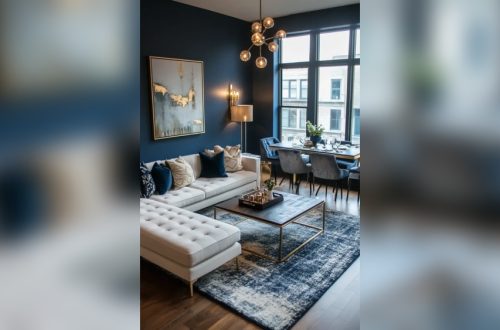
Selecting wall art plays a big role in shaping your dining room’s mood. Art can bring color, style, and personality to the space. Choose pieces that fit the room’s size and your taste. The right art helps create a welcoming and lively dining area.
Consider the room’s color scheme and lighting when picking art. Balance bold and subtle styles to keep the space interesting but not overwhelming. Art should invite conversation and complement your furniture and decor.
Statement Pieces For Impact
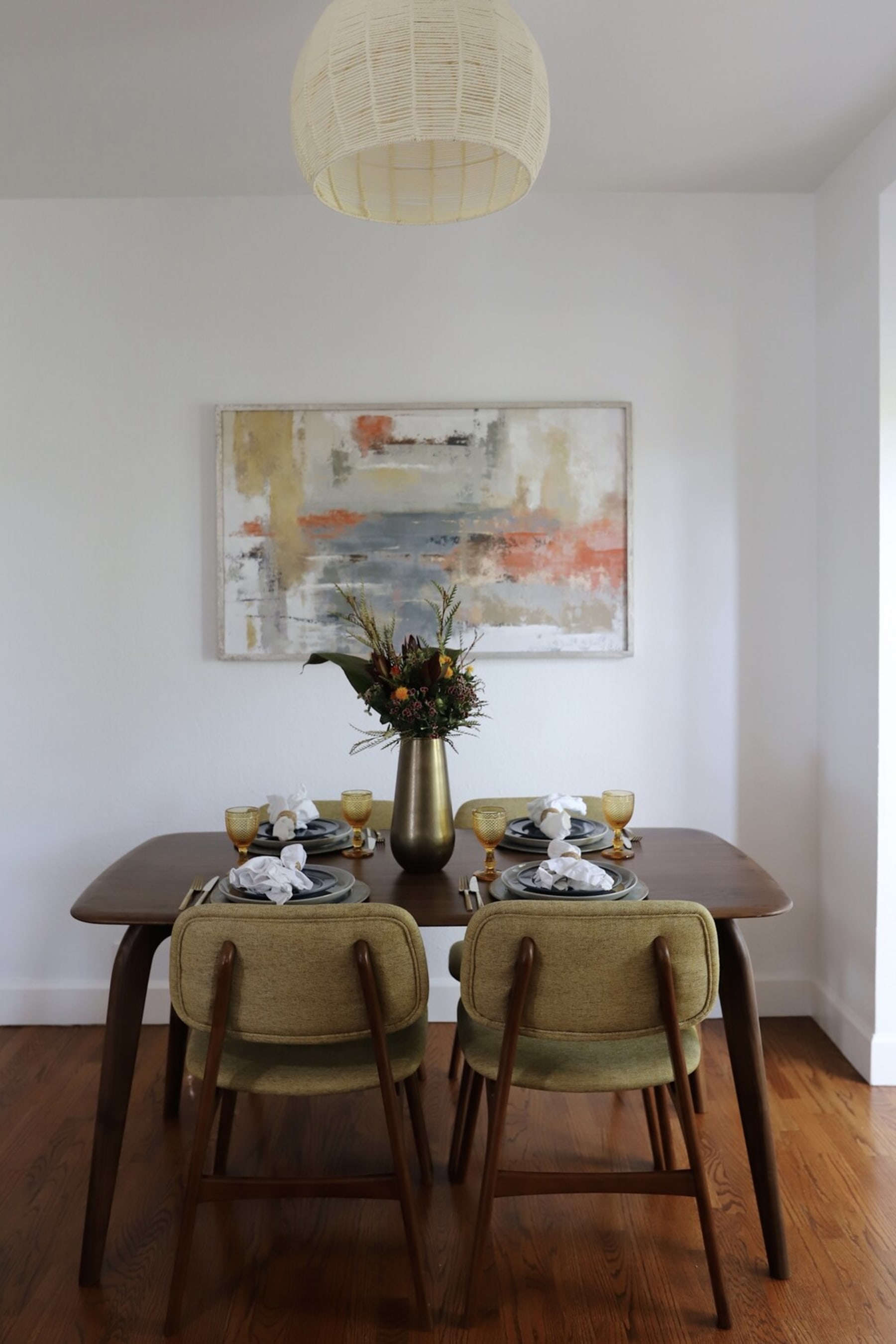
Choose one large piece to become the room’s focal point. A bold painting or photograph draws eyes and adds drama. It fills empty wall space and sets the tone for the dining area.
Pick art with colors that match or contrast the room softly. Large pieces work well above the buffet or main dining wall. Keep the frame simple to let the artwork shine.
Gallery Wall Arrangements
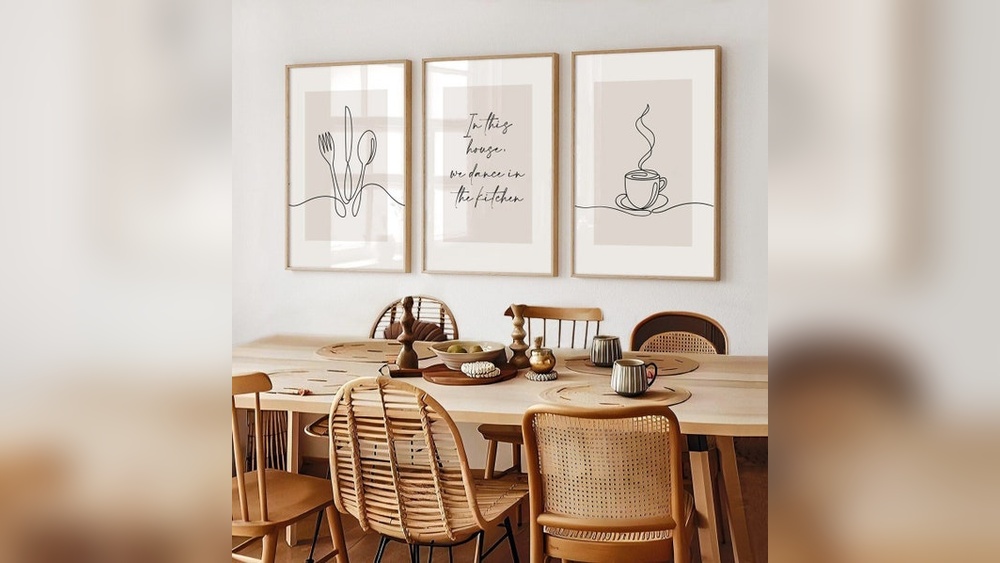
Create a gallery wall by grouping small to medium pieces. Mix photos, prints, and art with matching frames for a neat look. Arrange them in a grid or casual layout to add visual interest.
Gallery walls add personality and allow you to display many favorites. Use similar color tones to keep the wall from looking busy. This style suits walls with enough space to avoid crowding.
Personal And Meaningful Artworks
Use art that tells your story or has special meaning. Family photos, travel prints, or children’s drawings make the space feel warm and unique. Personal pieces spark memories and conversation during meals.
Mix personal art with other decorative items for balance. Frame these works to give them a polished, finished look. This choice makes your dining room truly your own.
Selecting Wall Art
Incorporating textures and fabrics into your dining room walls creates warmth and interest. Textiles soften hard surfaces and add a cozy feeling. They invite touch and create layers that feel inviting. Using fabrics and textures breaks the monotony of plain walls and gives character to the space.
Adding Tapestries And Drapery
Tapestries bring color and pattern with a soft touch. They cover large wall areas and act as art without frames. Choose tapestries with simple designs to avoid overwhelming the room. Drapery on walls can frame windows or cover empty spaces. Use light, flowing fabrics to keep the room airy. Heavier fabrics add richness and absorb sound for a quieter space.
Mixing Materials For Depth
Combine different textures like velvet, linen, and burlap for a layered look. Mix smooth and rough fabrics to create visual interest. Pair textiles with wood, metal, or stone wall elements. This contrast enhances the depth and makes the room feel dynamic. Small fabric accents, such as fabric-covered panels, can highlight a feature wall. Using various materials adds dimension and a tactile experience.
Incorporating Textures And Fabrics
Using mirrors and lighting in your dining room wall decoration can change the entire feel of the space. These elements brighten the room and add depth without clutter. They create a welcoming atmosphere for meals and conversations.
Enhancing Space With Mirrors
Mirrors reflect natural and artificial light, making the dining room appear larger. Choose a mirror with a stylish frame that matches your decor. Position it opposite a window to bounce sunlight around the room. Large mirrors work well on blank walls to open up the space visually. Small decorative mirrors can be grouped for an artistic touch. Mirrors add elegance and serve a practical purpose in dining rooms.
Wall Sconces For Ambiance
Wall sconces provide soft, warm lighting that creates a cozy dining environment. Select sconces with dimmable bulbs for adjustable mood lighting. Place them on either side of a mirror or artwork to highlight these features. Choose designs that complement your room’s style, from modern to vintage. Sconces free up table space compared to lamps. They add a layered lighting effect that enhances the dining experience.

Credit: www.amazon.com
Using Mirrors And Lighting
Functional wall decor adds both style and purpose to your dining room. It helps organize space and showcases your favorite items. This type of decor turns blank walls into useful and attractive areas. Choose pieces that hold items or offer extra storage. This keeps your dining space neat and inviting.
Floating Shelves For Display
Floating shelves give your dining room a modern look. They hold decorative items like plants, candles, or artwork. Use them to display your favorite dishes or glassware. These shelves do not take up floor space. They keep items within easy reach during meals. Choose shelves in wood or metal to match your decor.
Decorative Hooks And Storage
Decorative hooks add charm and function to walls. Hang items such as aprons, hats, or small baskets. Hooks help keep the dining area clutter-free. Use stylish hooks that match your room’s theme. Small wall-mounted storage units can hold napkins or utensils. This keeps essentials handy without crowding the table.
Functional Wall Decor
Adding natural elements to your dining room walls creates a calm and inviting atmosphere. Nature’s colors and textures bring warmth and freshness to any space. Natural decor also improves air quality and adds a lively touch.
Using plants and natural materials gives the dining room a cozy, organic feel. These elements blend well with many decorating styles. They help create a relaxing spot for meals and conversations.
Plant Walls And Greenery
Plant walls are a stunning way to bring nature indoors. Vertical gardens save space and add a green focal point. Use a mix of small plants to create texture and depth. Succulents, ferns, and air plants work well in these displays.
Place potted plants on shelves or hang them in decorative pots. Choose low-maintenance plants if you want easy care. Greenery brightens the room and adds a fresh scent. It makes the dining experience more pleasant and natural.
Incorporating Natural Materials
Natural materials like wood, stone, and wicker add earthiness to your walls. Wooden panels or frames bring warmth and texture. Stone tiles or accents add a rugged, natural look that contrasts nicely with smooth surfaces.
Woven baskets or rattan decorations bring softness and tradition. These materials pair well with plants for a balanced design. Natural elements make the dining room feel welcoming and grounded. They also help connect the indoor space with the outdoors.
Credit: www.castlery.com
Adding Natural Elements
Architectural features add depth and character to your dining room walls. They create a strong visual impact and enhance the overall ambiance. Choosing the right architectural wall decoration can make the dining space feel more inviting and stylish. Consider options that complement your room’s style and size. These features also help define the dining area without cluttering it.
Murals And Wallpaper
Murals and wallpaper bring large-scale design to your dining room walls. They offer patterns, colors, and scenes that set the mood instantly. Choose murals with subtle tones for a calm feel or bright designs to energize the space. Wallpaper with texture or metallic finishes adds a touch of luxury and interest. These options cover walls fully, creating a cohesive look that feels polished.
Textured Panels And Tiling
Textured panels and tiling introduce three-dimensional effects to wall decoration. Panels come in wood, metal, or fabric, adding warmth and style. Tiles can form geometric patterns or natural stone looks for a unique flair. These materials catch light and shadow, adding movement and richness to the room. Use panels or tiles on one wall to create a striking focal point without overwhelming the space.
Architectural Features
Choosing wall decoration that fits the mood of your dining room shapes the entire dining experience. The right decor sets the tone, making guests feel comfortable and enhancing the room’s purpose. Focus on how you want the space to feel before selecting art or decorations. Whether aiming for warmth or energy, matching decor to mood is key.
Creating A Cozy Atmosphere
Soft, warm colors help create a cozy dining space. Use earth tones like beige, brown, or muted greens on the walls. Choose art with gentle shapes and calm themes. Textured pieces such as tapestries or fabric wall hangings add warmth. Low lighting from wall sconces or candles enhances comfort. Personal photos or small collections bring a homey feel. Keep decorations simple to avoid clutter and maintain calmness.
Designing For Vibrancy And Energy
Bright colors like red, orange, and yellow inject energy into the dining room. Bold, large artworks draw attention and spark conversation. Abstract or modern art styles work well here. Mirrors can reflect light, making the space lively and open. Shelves with colorful plants or unique decor add life. Use lighting that highlights art and brightens the room. Let the decor inspire joy and lively gatherings.

Credit: www.amazon.com
Matching Decor To Room Mood
Choosing the right wall decoration for the dining room enhances its charm. Avoid mistakes that spoil the room’s look. Simple errors can make the space feel cluttered or unbalanced. Learn which pitfalls to skip for a stylish and inviting dining area.
Overcrowding Walls
Too many decorations on one wall overwhelm the eye. Crowded walls make the room feel smaller and messy. Give each piece space to stand out. Select a few key items rather than many small ones. Balance is key to a clean, elegant look.
Ignoring Scale And Proportion
Wall decor must fit the size of the wall and room. Large walls need bigger art or groups of pieces. Small walls suit smaller or fewer decorations. Mismatched scale creates discomfort and breaks harmony. Match your decor size to the dining room’s scale.
Frequently Asked Questions
How Do I Choose Wall Art For My Dining Room?
Choose wall art that complements your dining room’s color scheme and style. Select pieces that create a focal point and reflect your desired ambiance. Opt for energizing colors or calming tones based on mood. Consider size, placement, and personal significance to enhance the space effectively.
What To Put On The Walls Of A Dining Room?
Hang large statement art, create a gallery wall, or install mirrors to brighten and enlarge the dining space. Add floating shelves, sconces, tapestries, or decorative plates for personality and texture. Consider murals, plant walls, or drapery to enhance ambiance and style.
What Is The 70/30 Rule In Interior Design?
The 70/30 rule in interior design means 70% of a space uses neutral colors and 30% features bold, accent colors for balance.
What Is The 2 3 Rule For Wall Art?
The 2 3 rule for wall art suggests hanging art at two-thirds the height of the wall or three-quarters above furniture. This placement creates balance and enhances visual appeal.
Conclusion
Choosing wall decoration for your dining room shapes its mood and style. Pick pieces that match the room’s size and lighting. Bright colors bring energy, while soft tones create calm. Large art or mirrors add focus and depth. Personal touches make the space feel unique and warm.
Think about function as well as beauty, like shelves or sconces. A balanced wall design invites comfort and good conversation. Your dining room walls can tell a story. Make them reflect your taste and lifestyle. This simple step completes your dining experience beautifully.