Struggling to find the perfect balance in your living dining room combo? You’re not alone.
Combining two essential spaces into one can feel overwhelming, but with the right approach, your room can be both stylish and functional. Imagine a space where your family gathers comfortably to relax, yet also enjoys meals in a well-defined dining area—all without feeling cramped or chaotic.
In this guide, you’ll discover simple yet effective decorating tips to help you maximize your space, create visual harmony, and showcase your personal style. Ready to transform your living dining room combo into a beautiful, inviting haven? Let’s dive in!
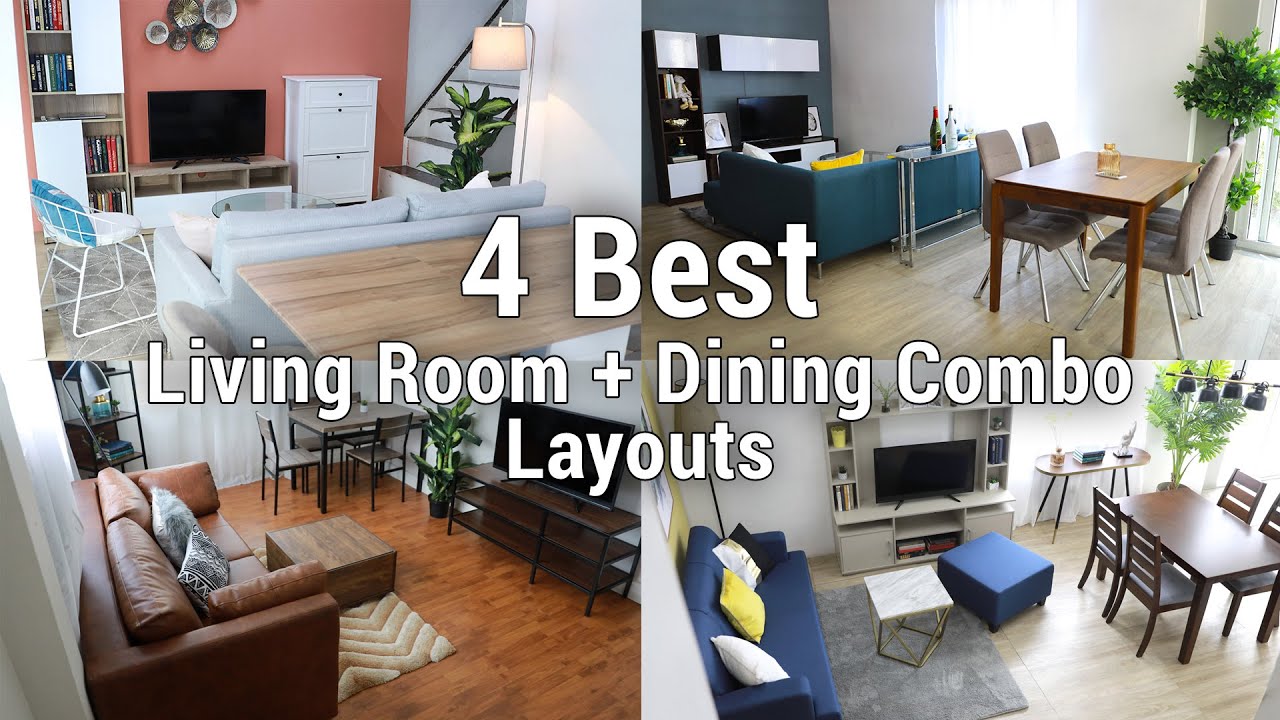
Credit: www.youtube.com
Plan Your Layout
Planning the layout is key for a living dining room combo. It helps use the space well. A good plan makes the room look larger and more inviting. It also sets a clear path for movement. Careful layout brings comfort and style together. Follow simple steps to create a balanced and functional space.
Define Zones With Furniture
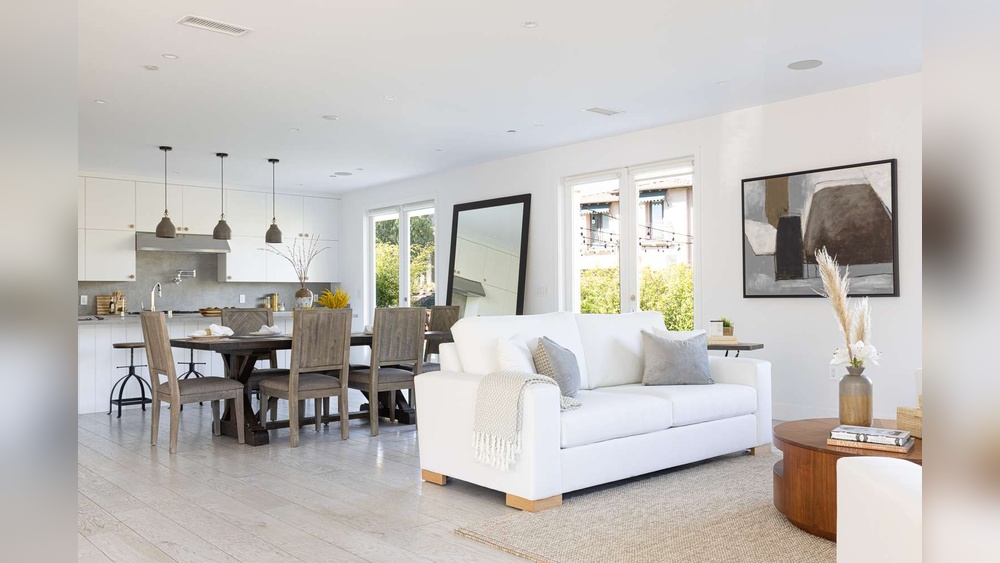
Use furniture to mark different areas. Place the sofa to separate the living space. A dining table can create the eating zone. Avoid clutter by keeping pieces focused on one task. Choose furniture that fits the space size. Chairs and tables should not block walking paths. This helps each area feel distinct yet connected.
Use Rugs To Anchor Spaces
Rugs help show where each zone begins and ends. Choose rugs that fit under the furniture groups. A rug under the sofa defines the living area. Place another rug beneath the dining table to mark that space. Rugs add warmth and texture to the room. They also protect floors and reduce noise. Pick colors that match the room’s palette for harmony.
Create Flow Between Areas
Make sure people can move easily from one area to another. Leave enough space between furniture pieces. Avoid blocking doors or walkways. Use similar colors or styles to link zones visually. Lighting can guide the eye and connect the spaces. Keep the path clear for smooth movement. This flow makes the combo room feel open and inviting.
:max_bytes(150000):strip_icc()/DesireeBurns_Boston_1Franklin_1-f9fd0ff715194726b5eb3f6354ef952f.jpg)
Credit: www.thespruce.com
Mix Patterns And Textures
Mixing patterns and textures adds life to a living dining room combo. It creates a space that feels warm and interesting. Using different patterns and textures makes the room feel layered and cozy. It also helps separate the living area from the dining area without walls. Follow simple steps to mix patterns and textures well.
Incorporate Three Patterns
Choose at least three patterns for your room. Patterns can be stripes, florals, or geometric shapes. Use these on pillows, curtains, or rugs. Solid colors count as one pattern too. Mixing patterns adds character but keep them in the same color family. This keeps the space from looking too busy.
Blend Five Textures
Use five different textures for depth and interest. Try soft velvet cushions, rough wood furniture, smooth glass vases, woven baskets, and a fluffy rug. Textures make the room inviting and rich. They also help define the living and dining zones. Texture mixing is key in a combo room for visual comfort.
Balance Solids And Prints
Balance patterned items with solid pieces to avoid clutter. Solid sofas or dining chairs give the eyes a place to rest. Use printed pillows or curtains to add pops of interest. This balance keeps the room calm and stylish. It stops the combo space from feeling overwhelming.
Blend Design Styles
Blending design styles in a living dining room combo creates a unique and inviting space. It adds character and depth without feeling crowded. This approach mixes different eras, textures, and colors to make the room feel balanced and personal.
Using a mix of styles keeps the space lively and interesting. It reflects your personality and taste. Here are some simple ways to blend design styles effectively.
Combine Four Period Styles
Choose furniture or decor from four different design periods. For example, mix Traditional chairs with a Mid-Century Modern table. Add Art Deco lamps and a Contemporary rug. This mix adds variety and richness to the room.
Using pieces from various eras creates a layered look. It prevents the space from feeling too matched or boring. Keep the colors and shapes balanced to tie everything together.
Create A Curated Look
Select items carefully to form a cohesive style. Avoid clutter by choosing pieces that speak to each other. Use a mix of patterns, textures, and finishes that complement one another.
Arrange your furniture and decor so each item stands out. This curated approach makes the room feel thoughtful and stylish. It shows you have a clear design vision.
Add Personal Touches
Include items that reflect your personality and memories. Family photos, travel souvenirs, or handmade crafts make the space unique. These touches add warmth and charm.
Personal items create a sense of belonging. They make the living dining combo feel like your true home. Balance personal decor with your chosen design styles for harmony.

Credit: edwardgeorgelondon.com
Choose A Cohesive Color Palette
Choosing a cohesive color palette is essential for decorating a living dining room combo. It creates unity and flow between the two areas. A well-planned palette makes the space feel balanced and inviting. Thoughtful color choices help define each zone while keeping a harmonious look.
Use Five Colors Or More
Incorporate at least five colors or textures in your palette. More colors add depth and interest to the room. Use varied tones to layer the space visually. Mixing soft and bold shades prevents the design from looking flat. This variety keeps the combo lively but still connected.
Balance Neutrals And Accents
Start with a base of neutral colors for walls and large furniture. Neutrals create a calm and flexible background. Add accent colors in smaller pieces like pillows, rugs, or art. Accents bring energy and personality without overwhelming the space. This balance keeps the room feeling fresh and well-composed.
Tie Colors Across Zones
Repeat key colors in both living and dining areas. This repetition links the zones visually. Use similar shades in upholstery, curtains, or decor. Carrying colors across the combo prevents the space from feeling disjointed. It creates a seamless transition from one area to the next.
Separate Spaces Subtly
Creating a living dining room combo can feel tricky without clear boundaries. Separate spaces subtly to keep flow and function. This approach lets you enjoy both areas without walls or barriers. Use smart furniture choices and lighting tricks. Define zones while keeping the room open and airy.
Position Sofa As Divider
Place the sofa so it faces away from the dining area. This naturally marks the living space. The back of the sofa acts as a soft boundary. It stops the two zones from blending into one. Choose a sofa with a solid back for a stronger divide. Add a rug under the sofa to anchor the living zone. This simple step helps the eye see separate areas.
Add Console Tables For Storage
Console tables serve as stylish dividers and storage spots. Position one behind the sofa or between the living and dining zones. Use it to hold lamps, books, or decorative items. This creates visual separation and practical use. Choose slim tables to keep pathways wide. Storage adds function without cluttering the space.
Use Lighting To Define Areas
Lighting changes the mood and defines each zone clearly. Hang a chandelier or pendant light above the dining table. Use floor or table lamps in the living space. Different light levels and styles signal distinct areas. Soft, warm lights make the living room cozy. Bright, focused lighting suits the dining area. Layer lighting to highlight both zones.
Maximize Functionality
Maximizing functionality in a living dining room combo helps you enjoy both spaces fully. Combining two areas requires smart planning to keep the room practical and comfortable. Focus on furniture and layout that serve multiple purposes and keep the space organized. Clear traffic flow also makes the room feel open and easy to move around.
Select Multi-use Furniture
Choose furniture that works for more than one task. A sofa bed or storage ottoman saves space and adds utility. Extendable dining tables adjust to fit guests or daily meals. Chairs that tuck under tables keep the area neat. Multi-use pieces reduce clutter and make the room flexible.
Incorporate Smart Storage
Use clever storage solutions to keep the combo tidy. Shelves with baskets hide items out of sight. Wall-mounted cabinets save floor space. Choose sideboards or buffets with drawers for dining essentials. Smart storage helps organize both living and dining areas without crowding.
Keep Traffic Flow Clear
Arrange furniture to leave paths open for easy walking. Avoid blocking doorways and windows. Place seating where people can move freely. A clear flow prevents the room from feeling cramped or chaotic. This makes the space inviting and easy to use every day.
Add Decorative Details
Adding decorative details transforms a living dining room combo from simple to stylish. These details create personality and warmth. They make the space feel inviting and complete. Small touches can tie the whole room together. Focus on art, lighting, and natural elements to enhance your space.
Use Art And Accessories
Select art pieces that reflect your taste and color scheme. Hang paintings or prints at eye level for best impact. Use decorative pillows and throws to add color and texture. Choose accessories like vases or sculptures to create focal points. Keep a balance between too many and too few items.
Layer Lighting Styles
Combine different lighting types for a cozy atmosphere. Use overhead lights, table lamps, and floor lamps together. Dimmers help adjust brightness to suit different moods. Highlight artwork or architectural features with spotlights. Layered lighting adds depth and warmth to the room.
Bring In Natural Elements
Incorporate plants to add life and freshness. Choose easy-care plants that fit your space and light conditions. Use natural materials like wood, rattan, or stone in furniture and decor. These elements create a calm, organic feel. Natural details connect the indoors with the outside world.
Frequently Asked Questions
What Is The 3 4 5 Rule In Interior Design?
The 3-4-5 rule in interior design means using at least 3 patterns, 4 styles, and 5 colors or textures. This creates a balanced, layered, and personalized space. It guides design choices, adds visual interest, and encourages mixing styles for unique, harmonious interiors.
How To Divide A Living Room And Dining Room Combo?
Use a sofa as a divider, placing its back to the dining area. Anchor each zone with rugs. Arrange furniture in groups to define living and dining spaces clearly.
What Decor Works Well In Combo Rooms?
Use cohesive decor with natural textures and warm neutrals to unify combo rooms. Mix patterns, styles, and colors for depth and balance. Anchor areas with rugs and arrange furniture to define each space clearly. This creates a welcoming, layered, and visually balanced living-dining combo.
What To Put Between A Living Room And A Dining Room?
Place a sofa, a rug, or a console table between living and dining rooms to define each space clearly.
Conclusion
Decorating a living dining room combo can be simple and fun. Use patterns, colors, and textures to add interest. Mix styles to show your personality. Arrange furniture to define each area clearly. Keep balance to avoid clutter or emptiness. Small changes can make a big difference.
Enjoy creating a space that feels like home. Your room will be both stylish and practical. Remember, the best design suits your needs and tastes.