Have you ever plugged in your string of lights, only to find that half of them won’t turn on? It’s frustrating and confusing, especially when you don’t know why it’s happening.
You might wonder if the whole string is ruined or if there’s a simple fix. Understanding why only half your string of lights works can save you time, money, and stress. Keep reading to discover the common reasons behind this problem and how you can get every bulb shining brightly again.
Common Causes Of Partial Light Failure
Partial failure in a string of lights is a common problem. Many people face this issue during holidays or events. Understanding the common causes helps fix the problem quickly. This saves time and frustration. Below are the main reasons why only half your string of lights works.
Burned Out Bulbs
One burned out bulb can stop part of the string from lighting. Some light strings use a series circuit. This means electricity flows through each bulb in order. If one bulb burns out, the circuit breaks. As a result, lights after that bulb go dark. Checking and replacing burned out bulbs often solves the issue.
Loose Or Damaged Connections
Loose or damaged connections cause partial light failure. Wires can come loose at sockets or plugs. Damage from pets, weather, or bending wires also breaks connections. These breaks stop electricity flow in part of the string. Inspect all connections carefully. Tighten loose bulbs and fix any wire damage.
Blown Fuses
Most light strings have small fuses in the plug. These fuses protect against electrical problems. A blown fuse cuts power to part of the string. This results in only half the lights working. Check the fuse inside the plug. Replace it with the same type if blown. This often restores full light function.
Checking And Replacing Bulbs
Checking and replacing bulbs is the most common fix for half a string of lights not working. Bulbs can burn out or become loose. This breaks the circuit and stops electricity from flowing. Careful inspection and bulb replacement often solve the problem quickly.
Identifying Faulty Bulbs
Look for bulbs that are dark or blackened. These are often burnt out. Bulbs that are loose or crooked can also cause issues. Sometimes a bulb looks fine but still does not work. Check each bulb closely to spot any damage or discoloration.
Using Replacement Bulbs
Use bulbs that match the size and voltage of the original ones. Using the wrong type can cause more problems. Keep spare bulbs from your string of lights or buy a matching set. Replace one bulb at a time to find the faulty one. This keeps the string safe and working properly.
Testing Bulbs Before Installation
Test each replacement bulb before putting it in the string. Use a bulb tester or a working light socket. This ensures the bulb works and is not faulty. Testing saves time and avoids more issues. It helps keep your lights bright and safe.
Inspecting The Wiring
Inspecting the wiring is a key step to fix half your string of lights working. Wiring issues often cause lights to go out in one section. Careful checking can reveal problems like frayed wires or loose connections. Fixing these can bring your lights back to full shine.
Spotting Frayed Or Broken Wires
Look closely along the string for any wire damage. Frayed wires have exposed metal that can cause shorts. Broken wires might cut the flow of electricity. Both can stop part of your lights from working. Check for cracks, cuts, or worn spots. Handle the string gently to avoid more damage.
Fixing Loose Connections
Loose connections can stop electricity from reaching some bulbs. Check each bulb holder and plug for tightness. Wiggle the bulbs slightly to see if they flicker. Secure any loose bulbs or plugs firmly in place. Tight connections help keep the current flowing smoothly. Replace any parts that look worn or broken.
Using Electrical Tape Safely
Electrical tape can help cover and protect small wire damages. Wrap tape tightly around exposed wires to prevent shorts. Use tape designed for electrical use only. Avoid layering too much tape; it can cause heat buildup. Replace severely damaged wires rather than taping them. Safety first to keep your lights bright and secure.
Handling Fuse Issues
Handling fuse issues is key to fixing half-working string lights. Fuses protect the lights from electrical problems. A blown fuse stops power from reaching all bulbs. Checking and fixing fuses often solves the problem quickly.
Locating The Fuse Compartment
Find the fuse compartment near the plug or control box. It is usually a small, covered section. Look for a sliding door or a tiny screw to open it. Use a small tool or your fingernail to open carefully. Keep the fuses safe when you open the compartment.
Replacing Blown Fuses
Take out the old fuses gently. Check if the metal wire inside is broken or burnt. Replace with the same type and size fuse. Do not use larger or smaller fuses. Push the new fuse firmly into place. Close the compartment tightly to keep it safe.
Preventing Future Fuse Blows
Do not connect too many light strings together. Avoid using damaged bulbs or cords. Use lights only on recommended voltage and power. Store lights properly to avoid damage. Check fuses before each use to catch problems early.
Preventive Maintenance Tips
Keeping your string lights working well takes regular care. Preventive maintenance stops problems before they start. Small efforts make your lights last longer and shine brighter. Here are key tips to keep your lights in top shape.
Proper Storage Techniques
Store lights in a cool, dry place. Avoid folding or tangling the wires. Use a spool or a cardboard piece to wrap them neatly. Keep them away from sharp objects that can damage wires. Proper storage stops breaks and shorts in the string.
Avoiding Overloading Circuits
Do not plug too many light strings into one outlet. Overloading causes power issues and can make half your lights fail. Check the maximum wattage your outlet can handle. Spread your lights across several outlets if needed. This keeps the electricity flow steady and safe.
Regular Inspection Routine
Look over your lights before every use. Check for broken bulbs, frayed wires, or loose connections. Replace any damaged parts right away. Clean the bulbs gently to keep them bright. Regular checks prevent sudden failures and keep your display beautiful.
When To Replace The Entire String
Sometimes, only half your string of lights works. It may be time to replace the entire string. This step can save you time and avoid frustration. Knowing when to replace lights helps keep your decorations bright and safe.
Signs Of Irreparable Damage
Look for broken wires or burnt-out bulbs. If the string has many dark spots, it cannot shine well. Frayed cords or exposed wires are dangerous. Flickering or uneven light patterns show internal damage. These signs mean repair is not worth it.
Choosing Durable Light Strings
Select lights made with strong materials. LED lights last longer and use less energy. Look for weather-resistant or outdoor-rated strings. Thick wires and sturdy bulbs hold up better. Quality strings reduce the need for frequent replacements.
Disposal And Recycling Options
Do not throw old lights in the trash. Many parts can harm the environment. Find local recycling centers that accept light strings. Some stores offer take-back programs for old lights. Proper disposal helps protect nature and saves resources.
Frequently Asked Questions
Why Does Only Half My String Of Lights Work?
Half your string may fail due to a broken bulb or loose connection. Check bulbs for damage. Replace faulty bulbs and ensure all connections are tight to restore full lighting.
Can A Single Bad Bulb Affect Half The Lights?
Yes, many strings use series wiring. One bad bulb can disrupt power flow and cause half the lights to go out.
How Do I Fix Half My String Of Lights Not Working?
Identify the faulty bulb or section. Replace or secure bulbs and check fuses. Use a tester for easier troubleshooting.
Are Led And Incandescent Lights Affected Differently?
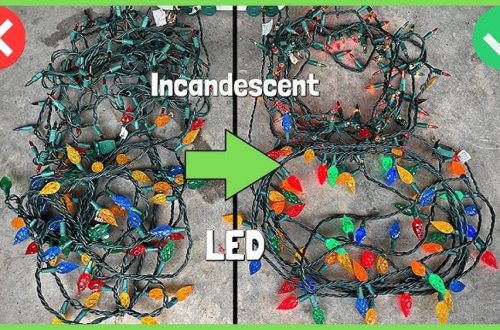
Yes, incandescent strings often fail in series, affecting many bulbs. LEDs usually have parallel wiring, so fewer lights go out if one fails.
Conclusion
Half a string of lights not working can be frustrating. Often, a single bulb or connection causes the problem. Check bulbs and wiring carefully to find the fault. Replace any broken bulbs and secure loose connections. Regular maintenance helps keep your lights bright and safe.
With simple steps, you can fix the issue quickly. Bright, even lighting is always worth the effort. Don’t let a few bad bulbs spoil your decoration. Keep your string lights shining all season long.