Want to transform your home into a warm, inviting space with just a few simple steps? Hanging string lights on your house is one of the easiest and most effective ways to add charm and brightness.
But if you’re unsure where to start or worried about making mistakes, you’re not alone. This guide will walk you through everything you need to know, so you can confidently light up your home and create the perfect atmosphere for any occasion.
Keep reading—you’re about to discover how simple it is to bring that magical glow to your own space.
Choosing The Right String Lights
Choosing the right string lights is key to a great look and safety. The correct lights make your space warm and inviting. They also last longer and use less energy. Consider the type, length, style, and safety before buying. This helps you avoid mistakes and enjoy your lights fully.
Types Of String Lights
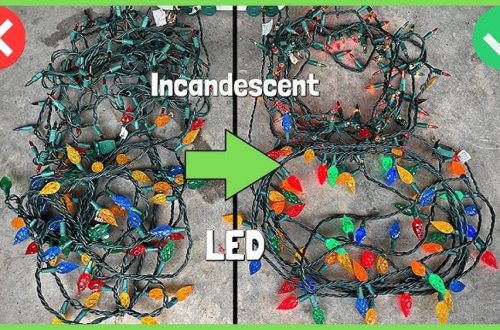
There are many types of string lights for houses. LED lights save energy and stay cool. Incandescent bulbs give a warm, classic glow but use more power. Solar string lights charge in the sun and do not need plugs. Battery-operated lights are easy to place anywhere. Choose the type that fits your needs and style.
Selecting Light Length And Style
Measure the area where you want to hang lights. Choose a length that covers the space well. Lights come in different bulb shapes and sizes. Round bulbs create a soft, cozy feel. Mini lights add sparkle and detail. Pick colors that match your home’s look. Clear lights work well for all occasions.
Energy Efficiency And Safety
Energy-saving lights reduce your electric bill. LED string lights use less power and last longer. Check for safety labels before buying. Use outdoor-rated lights for outside use. Avoid overloading outlets with too many lights. Secure lights properly to prevent falling or damage. Safe choices protect your home and family.
Planning Your Layout
Planning your layout is the first step to hang string lights successfully. It helps you see the space clearly and avoid mistakes. A good plan saves time, money, and effort. It also makes your lights look beautiful and balanced.
Start by knowing the size and shape of the area. Think about how you want the lights to shine. Consider where you can plug in the lights safely. These details make your setup easier and more effective.
Measuring Your Space
Measure the length and width of the area where you want to hang lights. Use a tape measure to get exact numbers. Write down the measurements for reference. This helps you buy the right amount of lights. Avoid guessing the size to save money and time.
Check for any obstacles like doors, windows, or plants. Measure around these objects to plan the light placement. This avoids gaps or tangled wires later.
Design Ideas For Different Areas
Think about the style you want for each space. For a porch, string lights can frame the roof or railings. Around a patio, you can create a zigzag or grid pattern above. On a garden fence, wrap lights around posts or weave through branches.
Use simple shapes like straight lines, curves, or loops. Keep the design neat to highlight the lights. Choose warm white bulbs for a cozy feel or colorful ones for fun events.
Considering Power Source Locations
Find the nearest outdoor power outlets before hanging lights. Check if the cords will reach without stretching too much. Use extension cords rated for outdoor use if needed. Place power sources where they stay dry and safe.
Plan your layout so plugs and switches are easy to access. This makes turning lights on and off simple. Avoid running cords across walkways to prevent trips.
Gathering Tools And Materials
Before hanging string lights on your house, gather all needed tools and materials. This helps the work go smoothly and saves time. Getting ready means fewer trips back inside for missing items. It also keeps you safe and organized.
Essential Hanging Supplies
Start with the string lights you want to hang. Choose outdoor-rated lights for weather safety. Use hooks or clips made for light strings. These hold the lights securely without damage. Extension cords may be needed to reach power outlets. Make sure cords are outdoor-safe and long enough.
Safety Equipment
Wear gloves to protect your hands from sharp edges. Use a sturdy ladder to reach high places safely. Avoid standing on unstable surfaces. Safety goggles keep your eyes safe from dust or debris. Have a helper if possible to hold the ladder steady.
Optional Decorative Accessories
Consider adding light timers to control when lights turn on and off. Decorative sleeves or covers can change light colors or shapes. Use zip ties or twist ties to keep cords neat. These small extras enhance your display and keep it tidy.
Preparing The Area
Preparing the area is the first step to hang string lights on your house safely and neatly. It helps ensure your lights stay secure and look great. Taking time to prepare avoids problems later.
Cleaning Surfaces
Clean the walls and surfaces where you will hang the lights. Dirt and dust can stop hooks or clips from sticking well. Use a cloth and mild soap to wipe the area. Let it dry completely before you start hanging.
Checking For Obstacles
Look for obstacles like nails, wires, or uneven spots. These can block the string lights or cause damage. Remove or work around them carefully. Clear paths make the lights hang straight and smooth.
Ensuring Weather Protection
Choose lights and hooks that can handle weather changes. Rain, wind, and sun can harm lights not made for outdoors. Use waterproof clips and lights with good ratings. Protect your setup to keep it lasting longer.
Installing String Lights
Powering and testing string lights is an important step to make sure your lights work safely and brightly. Check your power sources and connections before hanging the lights. This helps avoid electrical problems and keeps your home safe. Follow simple steps to connect your lights properly and test them before final installation.
Connecting To Outlets Safely
Use outdoor-rated outlets for string lights. Make sure the outlet has a cover to protect from water. Avoid overloading the outlet with too many plugs. Check the power rating on the light string and outlet. Always plug lights into GFCI outlets for safety. Keep cords away from walkways to prevent trips and damage.
Using Extension Cords
Choose extension cords designed for outdoor use. Check the cord’s wattage rating to match your lights. Keep cords straight and avoid sharp bends. Do not connect multiple extension cords together. Place cords where they stay dry and safe from foot traffic. Use cable clips or hooks to secure cords neatly along walls.
Testing Light Functionality
Test each string of lights before hanging. Plug them in and check all bulbs light up. Replace any broken or missing bulbs before installation. Look for loose connections or flickering lights. Testing early saves time and frustration later. Make sure timers or remote controls work properly too.
Powering And Testing
Taking care of string lights after use helps them last longer. Proper maintenance and storage keep the lights bright and safe. Clean, repair, and store the lights carefully to avoid damage and tangles.
Cleaning Tips
Dust and dirt can dull string lights. Use a soft cloth to wipe each bulb gently. Avoid using water directly on the lights. For stubborn dirt, use a damp cloth with mild soap. Let the lights dry completely before storing or using again.
Repairing Damaged Sections
Check the string lights for broken bulbs or frayed wires. Replace any burned-out bulbs with the right size and type. Use electrical tape to cover small wire breaks safely. Do not use damaged lights, as they can cause hazards. Regular checks prevent bigger problems later.
Proper Storage Techniques
Wrap string lights loosely around a piece of cardboard or a spool. Avoid tight coils that can damage wires. Store lights in a dry, cool place away from direct sunlight. Use a plastic container or a box to protect from dust and pests. Label the container to find lights easily next time.
Frequently Asked Questions
How Do I Hang String Lights Safely On My House?
Use outdoor-rated lights and weatherproof clips or hooks. Avoid nails to prevent damage. Secure lights firmly to withstand wind and rain. Always check for electrical hazards before installation.
What Tools Do I Need To Hang String Lights?
You’ll need a ladder, outdoor hooks or clips, a measuring tape, and an extension cord if needed. A cordless drill can help with installing hooks. Safety gloves and goggles are also recommended.
Can I Hang String Lights On Any Exterior Surface?
Yes, but choose appropriate fasteners. For wood, use hooks or nails. For brick or stucco, use adhesive clips or masonry hooks. Avoid damaging delicate surfaces. Always check manufacturer guidelines.
How Far Apart Should Outdoor String Lights Be Spaced?
Space lights 12 to 18 inches apart for balanced illumination. Closer spacing creates a brighter, festive look. Adjust spacing based on light size and desired ambiance. Consistency ensures a neat appearance.
Conclusion
Hanging string lights on your house adds charm and warmth. Start with a clear plan and choose the right lights. Secure them safely using hooks or clips. Keep the wires tidy and avoid damage. Test the lights before final installation.
Enjoy the cozy glow they bring to your space. Simple steps make the process easy and fun. Brighten your home with creativity and care.