Are you wondering how much electricity your string of Christmas lights really uses? You’re not alone.
Those beautiful, glowing lights can make your home festive, but you might worry about the impact on your energy bill. What if you could enjoy the sparkle without the shock of a high cost? You’ll discover simple facts that help you understand your lights’ energy use, so you can decorate smartly and save money.
Keep reading to learn how to keep your holiday cheer bright without burning a hole in your wallet.
Types Of Christmas Lights
Christmas lights come in different types. Each type uses electricity differently. Knowing the types helps you choose the best lights for your needs.
Some lights use more power, while others save energy. This affects your electric bill and the environment.
Incandescent Bulbs
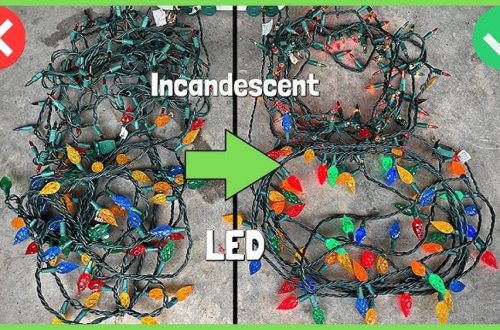
Incandescent bulbs are the traditional Christmas lights. They use a small wire inside to make light. These bulbs consume more electricity than other types. They also get hot during use. Many people like the warm glow they give. But they are less energy-efficient and have a shorter lifespan.
Led Bulbs
LED bulbs are popular for Christmas lights today. They use light-emitting diodes to shine. LEDs use much less electricity than incandescent bulbs. They last longer and stay cool to touch. These lights come in many colors and styles. LEDs are the best choice for saving energy and money.
Solar-powered Lights
Solar-powered lights charge during the day using sunlight. They do not use electricity from your home. These lights are eco-friendly and cost nothing to run. Solar lights work best outside where they get sunlight. They are perfect for gardens and walkways. The light may be less bright than electric lights.
Electricity Consumption Basics
Understanding how much electricity a string of Christmas lights uses starts with the basics of electricity consumption. Knowing these basics helps you control your energy costs during the holiday season. It also shows how different lights use power in different ways.
Electricity consumption depends on several simple but important factors. These include the power rating of the lights, how long you keep them on, and the type of bulbs used. Let’s break down these elements to make it easy to understand.
Wattage Explained
Wattage measures how much power a device uses. It tells you the energy needed for the lights to work. Higher wattage means more electricity used. For example, a string with 50 watts uses more power than one with 10 watts. Check the label on your lights to find their wattage.
Calculating Usage
To find out how much electricity your lights use, multiply wattage by hours used. Then divide by 1,000 to get kilowatt-hours (kWh). This is the unit your electric company uses for billing. For example, 50 watts used for 5 hours equals 0.25 kWh.
Factors Affecting Consumption
Several factors change how much electricity your lights use. LED bulbs use less power than traditional incandescent bulbs. The number of bulbs in a string also matters. Longer strings with more bulbs use more electricity. Using timers can reduce overall consumption by limiting usage time.
Energy Use By Light Type
Different types of Christmas lights use different amounts of electricity. Knowing how much energy each type uses helps you save power and money. This section explains how incandescent, LED, and solar lights compare in energy use.
Incandescent Energy Use
Incandescent Christmas lights use more electricity than other types. Each bulb consumes about 0.5 watts. A string with 100 bulbs can use around 50 watts. If you leave them on for six hours, that equals 0.3 kilowatt-hours per day. This adds up quickly during the holiday season. These lights also produce heat, which wastes energy.
Led Energy Efficiency
LED lights use much less electricity than incandescent bulbs. Each LED bulb uses about 0.05 watts. A 100-bulb LED string uses only 5 watts total. Running them for six hours uses just 0.03 kilowatt-hours per day. LEDs last longer and stay cool, saving even more energy. Using LED lights cuts your power use by about 90% compared to incandescent.
Comparing Solar Options
Solar Christmas lights use energy from the sun instead of electricity. They charge during the day and light up at night. This means zero electricity cost. Solar lights work best outdoors with plenty of sunlight. Cloudy or short days reduce their performance. Consider solar lights for eco-friendly decoration without increasing your power bill.
Cost Of Running Christmas Lights
Running Christmas lights can add to your electric bill. Knowing the cost helps you plan your holiday budget. The price depends on the type of lights and how long you keep them on. This section breaks down the main factors that affect the cost of running your Christmas lights.
Estimating Monthly Costs
To estimate costs, find the wattage of your light string. Multiply the wattage by the hours used each day. Then multiply by the number of days in the month. Divide by 1,000 to get kilowatt-hours (kWh). Multiply kWh by your electricity rate to find the cost.
For example, a 100-watt string used 5 hours daily for 30 days equals 15 kWh. If your rate is $0.12 per kWh, the monthly cost is about $1.80.
Impact Of Usage Time
The longer your lights run, the higher the cost. Turning them off during the day saves money. Using timers can help control usage. Reducing daily hours from 8 to 4 cuts costs in half. Even small changes make a difference over the holiday season.
Regional Electricity Rates
Electricity prices differ by location. Some areas have higher rates than others. Check your local utility company for exact prices. Higher rates increase the cost of running lights. Knowing your rate helps you budget better for the holidays.
Tips To Save Energy
Saving energy while decorating with Christmas lights helps lower electricity bills. It also reduces environmental impact. Small changes make a big difference in energy use. Here are simple tips to keep your holiday bright but efficient.
Choosing Energy-efficient Lights
LED lights use less electricity than traditional bulbs. They last longer and stay cooler. Choose LED strings to cut power use by up to 80%. Look for lights labeled “energy efficient” or “low wattage.” This choice saves money and energy over time.
Using Timers And Sensors
Timers turn lights on and off automatically. Set them to run only during the evening hours. Sensors can detect daylight and adjust lights accordingly. These tools prevent lights from running all night. They reduce wasted electricity without losing festive charm.
Reducing Display Size
Smaller displays use less power. Focus on key areas like doorways or windows. Use fewer strings and fewer bulbs per string. A modest display still creates a warm holiday feel. This method saves energy and keeps your home cozy.
Environmental Impact
Christmas lights bring joy and warmth during the holiday season. Yet, their use impacts the environment. Understanding this impact helps us make better choices. Energy use, material waste, and disposal all play a role. Let’s explore how Christmas lights affect the environment.
Carbon Footprint Of Lighting
Electricity powers Christmas lights. Most electricity comes from burning fossil fuels. This process releases carbon dioxide, a greenhouse gas. The more electricity used, the bigger the carbon footprint. Traditional incandescent lights use more electricity. This means they cause more pollution. Using many strings of lights increases this effect. Reducing electricity use lowers carbon emissions.
Benefits Of Leds
LED lights use much less electricity than old bulbs. They produce bright light but consume less power. This reduces the carbon footprint significantly. LEDs last longer, so fewer bulbs are thrown away. Their efficiency saves energy and money. Choosing LED lights helps protect the environment. They also stay cool, reducing fire risks.
Recycling And Disposal
Christmas lights contain materials like plastic and metal. Throwing them in the trash adds to landfill waste. Some parts can be recycled to save resources. Recycling reduces pollution and saves energy. Special recycling programs accept old Christmas lights. Proper disposal prevents harmful chemicals from leaking. Always check local recycling options for holiday lights.
Frequently Asked Questions
How Much Power Do Led Christmas Lights Use?
LED Christmas lights typically use 0. 04 to 0. 1 watts per bulb. They consume far less energy than traditional incandescent lights, making them energy-efficient and cost-effective for holiday decorations.
Are Incandescent Lights More Energy-consuming Than Leds?
Yes, incandescent lights use about 10 times more energy than LED Christmas lights. This makes LEDs a better choice for reducing electricity use and lowering your energy bill during the holidays.
How To Calculate Electricity Cost For Christmas Lights?
Multiply the wattage of the string by hours used, then divide by 1000. Finally, multiply by your local electricity rate to find the cost. This helps you estimate how much your holiday lights will add to your bill.
Can Using Timers Save Electricity On Christmas Lights?
Yes, timers help reduce electricity use by limiting the hours lights are on. This prevents lights from running all night, saving energy and lowering your holiday electricity costs.
Conclusion
Knowing how much electricity Christmas lights use helps control your energy bills. LED lights use less power than traditional bulbs. Choosing energy-saving lights keeps your home bright and costs low. Turning lights off when not needed saves even more energy.
Small changes can make a big difference during the holidays. Enjoy your decorations without worry about high electricity use. Bright lights and smart choices go hand in hand. Keep your celebrations cheerful and energy-wise this season.